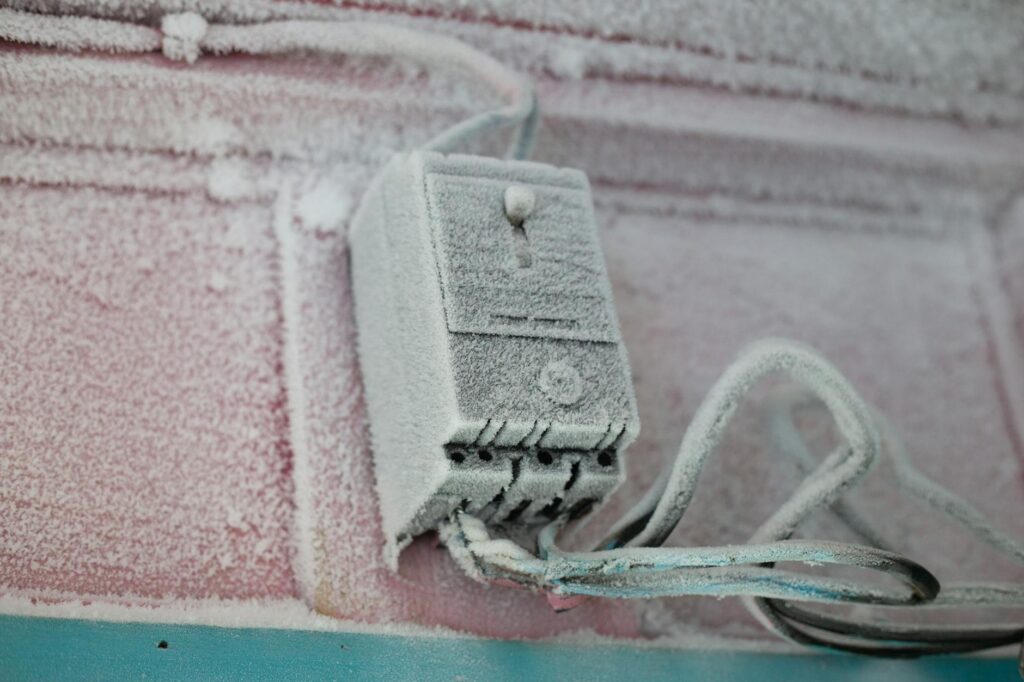
GFCI and AFCI outlets serve different protective functions in your home’s electrical system, and the National Electrical Code (NEC) requires specific types in specific locations. GFCI outlets protect against ground faults that can cause electric shock, while AFCI outlets prevent arc faults that can ignite fires. Understanding where each is required by code ensures your home meets current safety standards and keeps your family protected.
Understanding GFCI Protection Requirements
Ground Fault Circuit Interrupter (GFCI) outlets detect imbalances in electrical current that occur when electricity takes an unintended path to the ground, typically through water or a person. The NEC requires GFCI protection in all areas where moisture is present or likely.
According to the Consumer Product Safety Commission, approximately 800 fatal electrocutions occur annually in the United States, with many occurring in bathrooms and kitchens where GFCI protection is essential. Installing GFCI outlets in these high-risk areas significantly reduces electrocution hazards.
GFCI protection is mandatory in these locations:
- Bathrooms: All outlets within 6 feet of sinks
- Kitchens: All countertop outlets and those within 6 feet of the sink
- Garages: All accessible outlets
- Crawl spaces and basements: All outlets
- Outdoor areas: All outlets within 6 feet 6 inches of grade level
- Laundry rooms: All outlets within 6 feet of appliances
- Wet bar sinks: All outlets within 6 feet
GFCI outlets can be installed as individual receptacles or as a circuit-level protection device on the breaker. A single GFCI outlet at the beginning of a circuit protects all downstream outlets, offering cost-effective coverage for multiple locations.
Understanding AFCI Protection Requirements
Arc Fault Circuit Interrupter (AFCI) outlets detect dangerous electrical arcs that occur when electricity jumps between conductors, creating heat that can ignite surrounding materials. These unintended arcs are responsible for thousands of house fires annually and are a leading cause of residential electrical fires according to the U.S. Fire Administration.
The NEC has progressively expanded AFCI requirements since their introduction in 1999. Current code requires AFCI protection in bedrooms, family rooms, and other living spaces where people spend extended time and may not immediately notice fire hazards.
AFCI protection is required in these locations:
- All bedroom outlets: Both standard and closet outlets
- Living rooms and family rooms: All outlets
- Dining rooms: All outlets
- Kitchens: All countertop and appliance outlets (in addition to GFCI)
- Hallways: All outlets
- Laundry rooms: All outlets
- Closets: All outlets
- Bathrooms: All outlets (in addition to GFCI)
- Unfinished basements: All outlets except dedicated single-outlet circuits for appliances
Like GFCI protection, AFCI can be provided at individual outlets or at the circuit breaker level. Many electricians prefer breaker-level AFCI protection for whole-room coverage, simplifying installation and reducing outlet replacement costs.
GFCI and AFCI in the Same Location
Some locations require both GFCI and AFCI protection—particularly kitchens and bathrooms. When both are needed, you have two options: install a dual-function outlet that provides both protections, or use a combination approach where the AFCI breaker protects the circuit and individual GFCI outlets handle shock protection.
Dual-function outlets simplify installation and clearly indicate the level of protection to homeowners. They’re especially practical in kitchens where countertop outlets must have both protections according to current NEC requirements.
Always verify your local electrical code before installation, as some jurisdictions have adopted amendments that expand or modify these requirements beyond the national NEC standard.
How to Use the Calculator
Determining proper outlet spacing and protection coverage for your specific project can be complex. Use our GFCI and AFCI requirement calculator to quickly identify which outlets in your rooms need protection and what type is required by code. Simply input your room dimensions and intended use, and the calculator will map out your protection requirements based on current NEC standards.
FAQ: GFCI vs AFCI Outlets
Can a single outlet provide both GFCI and AFCI protection?
Yes. Combination GFCI/AFCI outlets are available and provide both protections in one device. These are particularly useful in kitchens and bathrooms where the NEC requires dual protection. Alternatively, some electricians use a circuit breaker with AFCI protection combined with individual GFCI outlets downstream, which also provides complete coverage and may be more cost-effective for multiple outlets.
Do I need GFCI outlets if my home has a whole-house surge protector?
No. A whole-house surge protector and GFCI outlets serve different purposes. Surge protectors defend against voltage spikes from lightning or utility issues, while GFCI outlets protect against ground faults from water exposure or damaged cords. You need GFCI protection in wet areas regardless of whether you have a whole-house surge protector installed.
What’s the difference between outlet-level and breaker-level AFCI protection?
Outlet-level AFCI provides protection only at that specific receptacle, while breaker-level AFCI protects the entire circuit. Breaker-level protection is more economical when protecting multiple outlets and is easier to install during new construction. However, outlet-level AFCI is required in some applications and allows for selective protection of specific outlets in mixed-use circuits.
Related: watt to amps conversion
Related: GFCI and AFCI outlet requirements
Related: panel capacity circuit requirements
Related: appliances requiring dedicated circuits
Related: circuit breaker sizing guide
Related: 3-way switch installation guide
Related: pool pump GFCI requirements