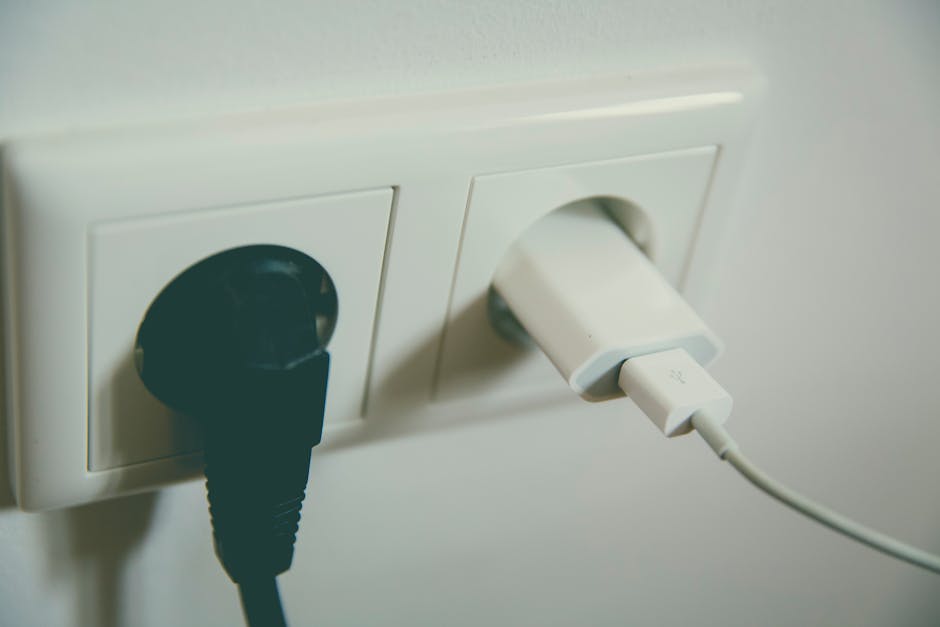
Outlet height requirements are governed by the National Electrical Code (NEC) and vary by location. Standard outlets on walls are typically 12-18 inches from the floor, while kitchen countertop outlets must be within 24 inches of countertop edges. Bathroom outlets require GFCI protection and must be at least 12 inches above the finished floor. Understanding these specifications ensures safety, code compliance, and convenience in your home.
Kitchen Countertop Outlet Height Standards
Kitchen countertops present unique outlet challenges because appliances and task lighting demand accessible power. According to the NEC Article 210.52(C), countertop outlets must be installed no more than 24 inches from the edge of a countertop or island surface. This measurement is taken horizontally along the countertop.
The vertical height for kitchen outlets typically ranges from 42 to 48 inches above the finished floor. This positioning places outlets just above the backsplash area, keeping them accessible without interfering with cabinet doors or appliance placement. Many electricians install outlets at 44 inches, which serves as a practical middle ground.
Kitchen islands require special attention. Every kitchen island with a countertop surface larger than 24 inches in any direction must have at least one outlet installed. This outlet should be mounted on the island itself, typically at the same 44-inch height as wall-mounted kitchen outlets. If your island is smaller than 24 inches, you can rely on the 24-inch horizontal distance rule from wall outlets.
Peninsula countertops follow the same 24-inch rule as islands. Remember that the 24-inch measurement applies both horizontally and vertically—you cannot use wall outlets located below the countertop to satisfy the requirement if they’re more than 24 inches away horizontally.
Bathroom Outlet Height and GFCI Requirements
Bathroom outlets demand both proper height placement and GFCI (Ground Fault Circuit Interrupter) protection. According to NEC Article 210.52(D), all outlets within 6 feet of a sink must be GFCI protected. This includes outlets on walls, vanities, and countertops.
Standard bathroom outlet height is 12 to 18 inches above the finished floor for wall-mounted outlets. However, if you’re installing outlets on bathroom vanity countertops, they should be positioned similarly to kitchen countertops—typically 12 to 18 inches above the vanity surface. This keeps outlets away from water sources while remaining accessible for hairdryers, electric shavers, and other grooming appliances.
GFCI protection is non-negotiable in bathrooms. You can achieve this protection in two ways: install a GFCI receptacle (an outlet with built-in GFCI protection) or connect standard outlets to a GFCI circuit breaker. Many modern bathrooms use GFCI receptacles because they’re easier to test and reset individually.
Position bathroom outlets at least 12 inches horizontally from the edge of bathtubs and shower areas. This clearance prevents accidental water contact while maintaining convenience. If your bathroom has multiple outlets, distribute them evenly to ensure no point on the bathroom wall is more than 6 feet from an outlet.
Standard Wall Outlet Heights for Residential Spaces
Throughout the rest of your home—living rooms, bedrooms, hallways, and laundry areas—standard outlet height is 12 to 18 inches above the finished floor. The NEC doesn’t mandate a specific height for these general-purpose outlets, giving electricians flexibility within this range. Most residential installations use 16 inches as the standard height, which balances accessibility and aesthetics.
The spacing requirement for general-purpose outlets differs from kitchens. In bedrooms, living rooms, and similar spaces, no point along the floor line should be more than 6 feet from a receptacle. This ensures you can plug in devices without needing excessively long extension cords. Measure the distance horizontally along the wall, accounting for doors and openings that might interrupt placement.
For dedicated appliances like washers, dryers, and range hoods, outlet height may vary. Washing machine outlets typically sit 48 inches above the floor, while dryer outlets usually install at 48 inches as well. These heights keep outlets accessible without being positioned where they might catch moisture or lint. Range hood outlets can be installed in cabinets above the hood itself, often at 84 inches or higher.
Outdoor outlets, patios, and garage spaces have their own requirements. Outdoor outlets must be installed on GFCI-protected circuits and typically sit at the same 12-18 inch height as interior outlets. Garage outlets follow general-purpose spacing rules but must also include GFCI protection within 6 feet of sinks.
How to Use the Outlet Height Calculator
Planning a kitchen renovation or bathroom remodel? Use our electrical outlet spacing calculator to determine exactly how many outlets you need and where to place them. Input your room dimensions, and the calculator automatically shows you compliant outlet locations based on current NEC requirements. This tool eliminates guesswork and ensures your design meets code before installation begins.
The calculator works for kitchens, bathrooms, bedrooms, and general living spaces. Simply enter room length and width, specify outlet type (kitchen countertop, bathroom, or standard), and the calculator maps out proper spacing. You can adjust for obstacles like doors, windows, and existing fixtures to create a practical layout that works for your space.
Common Outlet Height Mistakes to Avoid
Mistake 1: Installing outlets too high. Placing standard outlets above 18 inches creates accessibility issues and wastes the vertical wall space. Keep standard outlets in the 12-18 inch range unless serving a specific appliance.
Mistake 2: Forgetting the 24-inch countertop rule in kitchens. Every countertop edge must have an outlet within 24 inches. Failing to plan for this requirement often leads to inadequate power access during daily tasks.
Mistake 3: Overlooking GFCI requirements in wet locations. Any outlet within 6 feet of a bathroom sink must be GFCI protected. This isn’t optional—it’s a critical safety requirement.
Frequently Asked Questions
Can I install kitchen outlets below the countertop?
No. Kitchen outlets must be within 24 inches of the countertop edge, measured horizontally along the counter surface. Wall outlets below the counter don’t satisfy this requirement because they’re too far from where you actually work and where appliances operate.
What’s the difference between GFCI outlets and GFCI breakers?
GFCI receptacles have protection built into the outlet itself. GFCI breakers protect the entire circuit from the panel. Either option works for bathrooms and wet locations. GFCI receptacles are often preferred because you can test and reset them individually without affecting other outlets on the circuit.
Do all bathroom outlets need GFCI protection?
Only outlets within 6 feet of a sink require GFCI protection. However, most electricians GFCI-protect all bathroom outlets for maximum safety. An outlet more than 6 feet from any sink technically doesn’t require GFCI, but protecting it anyway costs little and provides extra safety.
Proper outlet height placement is fundamental to functional, code-compliant electrical design. Whether you’re building new or renovating, these standards protect your family while ensuring convenient access to power throughout your home. When in doubt, consult our wire sizing calculator to verify that your circuit design supports the load you’re planning, then reference these height requirements during installation.
- Electrical Outlet Height Measuring Tool Kit — Essential for accurately measuring and marking outlet heights according to NEC code requirements during installation
- GFCI Outlet 15 Amp Receptacle — Directly relevant for bathroom outlet installations mentioned in the post as requiring GFCI protection
- Electrical Box Height Guide Template — Practical tool to ensure consistent outlet placement at correct heights across different room types as outlined in the article
Related: Complete Guide to Outlet Height Requirements in 2026: Kitchen, Bathroom & Standard Areas
Related: 7 Essential Outlet Spacing Requirements You Need to Know in 2026
Related: 7 Essential Basement Electrical Code Requirements for Outlet Placement in 2026
SPONSORED
Estimating Software Built for Electrical Contractors
ArcSite lets you draw site plans, create estimates, and close jobs faster — all from your phone or tablet. Used by 100,000+ field service professionals.
Try ArcSite Free →Affiliate partner — we may earn a commission at no cost to you.