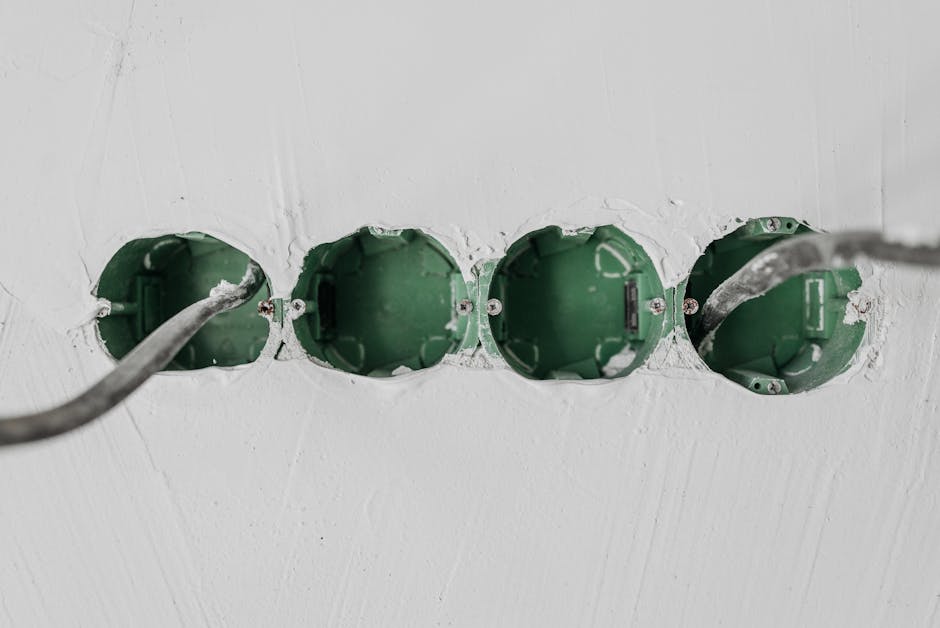
Crawlspace electrical outlets must be GFCI-protected per NEC Article 210.8, mounted at least 12 inches above floor level, and rated for damp locations. All wiring must use moisture-resistant methods, vapor barriers should maintain humidity below 55%, and proper ventilation is essential for safety and longevity.
NEC Code Requirements for Crawlspace Outlets
The National Electrical Code establishes specific standards for crawlspace wiring that protect both equipment and occupants from electrical hazards in these challenging environments. According to OSHA electrical safety guidance, crawlspaces present unique risks due to moisture exposure, limited access, and potential standing water.
NEC Article 210.8 mandates that all 15- and 20-ampere, single-phase, 125-volt receptacles in crawlspaces must have ground-fault circuit-interrupter (GFCI) protection. This requirement applies whether the crawlspace is accessed regularly or occasionally. The logic is straightforward: crawlspaces are inherently damp, and moisture combined with electrical current creates electrocution risk.
Additionally, Article 300.9 requires that all wiring and equipment in crawlspaces be suitable for the location. This means using UF cable (underground feeder), metal conduit, or other approved methods that resist moisture penetration. Romex (NM cable) is typically not permitted in crawlspaces due to its vulnerability to moisture damage.
Do crawlspaces require GFCI outlets according to NEC code?
Yes. NEC 210.8(A)(4) specifically requires GFCI protection for all receptacles in crawlspaces. This isn’t optional—it’s mandatory for any crawlspace where a receptacle is installed, regardless of its intended use. The protection applies to both dedicated crawlspace circuits and circuits that extend into crawlspaces from adjacent areas.
Moisture Control and Weatherproofing Standards
Moisture control is the foundation of safe crawlspace electrical installation. Without proper moisture management, even GFCI-protected outlets and moisture-rated equipment will deteriorate prematurely and pose ongoing safety risks.
Install a polyethylene vapor barrier across the crawlspace floor, extending up the walls at least 6 inches. This barrier should be overlapped at seams by at least 12 inches and sealed with duct tape. The goal is maintaining relative humidity below 55%—a threshold that significantly reduces mold growth and electrical corrosion.
Crawlspace ventilation requirements vary by region and soil conditions. In humid climates, mechanical ventilation may be necessary in addition to passive venting. Ensure all vents have dampers to prevent hot, humid air from entering during summer months. Some building scientists now recommend closed crawlspaces with conditioned air supply instead of traditional vented crawlspaces—consult your local building department for requirements in your jurisdiction.
All electrical equipment installed in crawlspaces must be rated for damp or wet locations, depending on actual conditions. Damp location ratings (typically marked “for damp locations”) are suitable for crawlspaces with controlled moisture. Wet location ratings are required only if standing water is possible.
GFCI Protection in Crawlspaces
Ground-fault circuit-interrupter protection operates by detecting current leakage (ground faults) and disconnecting power within milliseconds. In crawlspaces, where moisture makes shock hazards likely, GFCI protection is literally life-saving.
You have two installation options: GFCI receptacles or GFCI breakers. A GFCI receptacle protects only downstream receptacles on the same circuit if wired in series. A GFCI breaker at the panel protects the entire circuit. For crawlspace applications, GFCI breakers are often preferred because they provide comprehensive protection and simplify maintenance.
Test GFCI devices monthly using the test button—press and release, and power should cut off. If it doesn’t, the device is faulty and must be replaced. Document testing dates on a label affixed to the breaker panel or receptacle. This demonstrates compliance and helps identify when devices are aging.
GFCI devices have a typical lifespan of 15-25 years. In crawlspaces with high humidity or temperature fluctuations, replacement may be needed sooner. This is another reason to locate GFCI breakers in accessible panel locations rather than deep within crawlspaces.
Proper Outlet Placement and Height Requirements
What is the proper height to install electrical outlets in a crawlspace?
Outlets must be installed at least 12 inches above the crawlspace floor. This minimum clearance prevents direct contact with standing water or moisture accumulation at floor level. When measuring height, calculate from the lowest point where water could reasonably accumulate, not from the nominal crawlspace floor level.
Mount outlets on stable structural elements��rim beams, posts, or headers—rather than on temporary support materials. Secure all outlet boxes firmly to prevent movement and ensure weathertight installation with gaskets and sealed cover plates.
Locate crawlspace receptacles strategically for their intended use. If the crawlspace contains an HVAC system, water heater, or other mechanical equipment requiring service access, place an outlet nearby. Avoid locating outlets directly above potential leak points or beneath plumbing penetrations.
Use wet-location cover plates on all crawlspace outlets, even if humidity is controlled. These plates protect against incidental moisture and insects. Cover plates should include gaskets that create a watertight seal when an outlet isn’t in use.
Vapor Barriers and Humidity Management
A properly installed vapor barrier is non-negotiable for crawlspace electrical safety. Vapor barriers prevent moisture vapor from migrating through soil and condensing on cool surfaces where electrical equipment operates.
Install 6-mil polyethylene sheeting across 100% of the crawlspace floor. Extend it up foundation walls at least 6 inches (12 inches is better). Overlap all seams by 12 inches minimum and seal with acoustic sealant or duct tape. Weight down edges with concrete blocks or pressure-treated lumber to prevent movement.
Relative humidity should stay below 55% measured at crawlspace height. Use a digital hygrometer to monitor conditions periodically. If humidity consistently exceeds 55%, investigate the source: inadequate ventilation, a plumbing leak, foundation seepage, or undersized vapor barrier coverage.
Dehumidifiers may be necessary in climates with persistently high humidity. Size the unit based on crawlspace area—typically one dehumidifier per 500-1000 square feet depending on moisture source severity. Route condensate water to a sump pump system, floor drain, or exterior daylight.
How to Use the Calculator
Planning a crawlspace electrical system? Our wire size calculator helps you determine proper conductor gauges for your crawlspace circuits based on circuit length and amperage requirements. This ensures voltage drop stays within acceptable limits and equipment receives proper voltage, even in lengthy crawlspace runs. You can also reference our breaker size calculator to verify proper overcurrent protection sizing for crawlspace circuits.
FAQ: Crawlspace Electrical Requirements
Can I use standard Romex cable in my crawlspace?
No. NEC Article 300.9 prohibits standard NM (Romex) cable in crawlspaces due to moisture vulnerability. Use UF cable, metal conduit, or other moisture-approved wiring methods. UF cable is specifically designed for underground and damp locations and provides the moisture protection crawlspaces require.
Do I need to hire a licensed electrician for
Recommended Resources:
- GFCI Outlet Tester & Reset Tool Kit — Essential for testing and maintaining GFCI-protected outlets required by NEC Article 210.8 in crawlspaces
- Moisture-Resistant Electrical Wire (Damp Location Rated) — Directly addresses the post’s requirement for moisture-resistant wiring methods in crawlspace environments
- Digital Humidity Monitor/Hygrometer — Helps monitor and maintain humidity levels below 55% as specified for proper vapor barrier performance and electrical safety
- GFCI Outlet Tester & Reset Tool Kit — Essential for testing and maintaining GFCI-protected outlets required by NEC Article 210.8 in crawlspaces
- Moisture-Resistant Electrical Wire (Damp Location Rated) — Directly addresses the post’s requirement for moisture-resistant wiring methods in crawlspace environments
- Digital Humidity Monitor/Hygrometer — Helps monitor and maintain humidity levels below 55% as specified for proper vapor barrier performance and electrical safety
Related: Electrical Calculators [Free Tools] – NEC 2026 Ready
Related: Home Electrical Safety Checklist: 10 Essential Inspections
Related: 7 Essential Basement Electrical Code Requirements for Outlet Placement in 2026
Related: Essential 2026 Guide: 5 Crawlspace Electrical Requirements You Must Know
SPONSORED
Estimating Software Built for Electrical Contractors
ArcSite lets you draw site plans, create estimates, and close jobs faster — all from your phone or tablet. Used by 100,000+ field service professionals.
Try ArcSite Free →Affiliate partner — we may earn a commission at no cost to you.