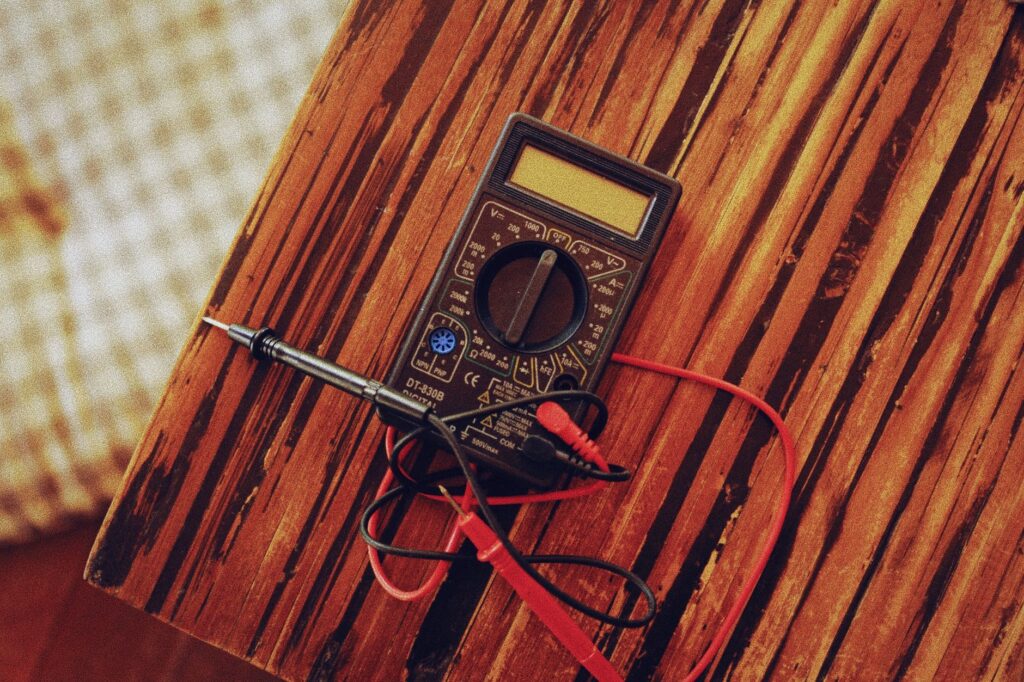
Choosing the correct wire gauge is one of the most critical decisions in any electrical installation, whether you’re wiring a new home, running a dedicated circuit, or extending power to an outbuilding. An undersized wire can overheat, damage equipment, and create fire hazards. An oversized wire wastes money on unnecessary copper. A wire gauge calculator eliminates guesswork by instantly determining the proper wire size based on your specific electrical load, distance, and voltage requirements.
This comprehensive guide walks you through everything you need to know about wire sizing, when to use a calculator, and how to apply the results safely in your next electrical project.
What Is a Wire Gauge Calculator?
A wire gauge calculator is a digital tool that determines the minimum safe wire diameter needed for an electrical circuit. Instead of manually consulting reference tables or performing complex mathematical calculations involving voltage drop, amperage, and conductor resistance, the calculator does the work instantly.
Professional electricians and DIY enthusiasts use wire gauge calculators to prevent voltage drop—the loss of electrical pressure as current travels through a conductor. For example, a 20-amp circuit running 100 feet from your panel might require a different gauge than the same circuit running just 10 feet. The calculator accounts for this by factoring in wire length, which is essential for maintaining proper voltage at the point of use.
Wire gauges in North America follow the American Wire Gauge (AWG) standard, which ranges from extremely thin (40 AWG) to very thick (0000 or 4/0 AWG). Residential circuits typically use 14 AWG, 12 AWG, 10 AWG, 8 AWG, or 6 AWG depending on the amp rating and distance involved.
Why Wire Gauge Matters: Safety and Performance
Using the wrong wire gauge creates serious problems. A conductor that’s too small generates excessive heat due to resistance. This heat can melt insulation, cause fires, or fail to properly trip circuit breakers. The National Electrical Code (NEC) limits voltage drop to 3 percent on branch circuits and 5 percent on combined feeder and branch circuits. Exceeding these limits causes appliances to operate inefficiently, motors to draw excess current, and lights to dim noticeably.
Consider a 15-amp circuit running 200 feet to a workshop. Using 14 AWG wire (the minimum for 15 amps) would create unacceptable voltage drop. A wire gauge calculator would recommend 10 AWG or 8 AWG instead, ensuring your tools operate at full capacity without overheating the wire.
The cost difference is minimal compared to the consequences of failure. A 200-foot run of 14 AWG costs roughly $40 to $60, while 10 AWG costs $80 to $120. That $50 to $60 difference prevents potential fire damage, equipment failure, and code violations that could cost thousands.
How to Use a Wire Gauge Calculator
Most wire gauge calculators require just four key inputs: the circuit amperage, the wire length (typically measured as the round-trip distance from the panel to the outlet), the voltage system (120V, 240V, or 277V), and your acceptable voltage drop percentage.
Here’s a typical workflow: First, determine your circuit amperage by reviewing the breaker size or calculating the load using the appliance’s wattage rating. For example, a 5,000-watt electric dryer on a 240V system requires approximately 21 amps, so you’d start with a 20-amp or 25-amp breaker. Second, measure the wire run distance from your electrical panel to the farthest outlet on that circuit. Don’t forget to account for the return path—a 50-foot distance means 100 feet of conductor if you count the journey back to the panel.
Third, select your voltage system, typically 120V for general household circuits or 240V for major appliances. Finally, choose your voltage drop tolerance—most electricians aim for 3 percent or less, though some accept 5 percent on longer runs where cost becomes a major factor. The calculator instantly displays the recommended gauge and sometimes shows voltage drop percentages for alternative wire sizes.
Some advanced calculators also factor in wire insulation type (THHN, THWN, NM, etc.), conduit fill calculations, and copper versus aluminum conductors. Aluminum carries more risk due to higher resistance and different termination requirements, so most residential applications use copper.
Common Wire Gauge Calculator Scenarios
Different situations demand different results. A standard 15-amp kitchen outlet running 20 feet might only need 14 AWG wire, saving money and installation time. However, the same 15-amp circuit running 150 feet requires at least 10 AWG to stay within acceptable voltage drop limits. This 5-gauge jump reflects how dramatically distance affects wire sizing.
For 240V circuits powering major appliances, the math changes. A 50-amp electric range circuit running 50 feet might require 6 AWG wire, while a 200-foot run to a detached garage requires 2/0 or even 3/0 AWG. These larger gauges carry costs of $3 to $8 per foot, making accurate calculation essential before ordering materials.
A wire gauge calculator becomes invaluable in renovation projects where existing wire runs must be evaluated. If you’re upgrading a 15-amp basement outlet to support a 20-amp air compressor 180 feet away, the original 14 AWG wire is dangerously undersized. The calculator confirms you need at least 8 AWG, justifying the cost of running new wire versus risking an overheated circuit.
Beyond Wire Gauge: Understanding AWG Standards and Ampacity
Wire gauge numbers seem backward—smaller numbers mean thicker wires. 14 AWG is thinner than 6 AWG. This system dates back to the early days of wire manufacturing. Each gauge step represents an approximately 26 percent increase in cross-sectional area, which roughly doubles current-carrying capacity every three gauges. So 8 AWG handles roughly twice the amperage of 14 AWG, though exact capacities depend on insulation type and installation environment.
Ampacity—the maximum safe current a wire can carry—varies by wire type and conditions. 14 AWG THHN wire in free air carries 20 amps, but only 15 amps in a conduit with three other current-carrying conductors. Professional electricians consult NEC Table 310.15(B)(16) for exact ampacity ratings, while a wire gauge calculator handles these variables automatically.
Temperature also affects ampacity. Wire ampacity ratings assume a 30°C (86°F) ambient temperature. In hot attics or near heat sources, ampacity derates by up to 40 percent. A wire gauge calculator accounting for environmental factors prevents undersizing in challenging installations.
Frequently Asked Questions
What does AWG stand for and how does wire gauge sizing work?
AWG stands for American Wire Gauge, a standardized measurement system where lower numbers represent thicker wires. Each gauge step increases cross-sectional area by approximately 26 percent. A wire gauge calculator uses AWG standards to recommend the minimum thickness needed for safe current flow without excessive voltage drop over your specific circuit distance.
How much voltage drop is acceptable in an electrical circuit?
The National Electrical Code allows maximum 3 percent voltage drop on branch circuits and 5 percent on combined feeder and branch circuits. Most wire gauge calculators default to 3 percent for safety, though some scenarios accept up to 5 percent. Exceeding these limits causes dim lights, slow motor starts, and wasted energy.
Can I use aluminum wire instead of copper to save money?
Aluminum wire costs 30 to 50 percent less than copper but carries 1.5 to 2 times more resistance. It requires special termination techniques, larger gauges to match copper ampacity, and careful handling to prevent corrosion. Most residential applications use copper; a wire gauge calculator assuming aluminum will recommend a larger gauge to compensate for higher resistance.
What happens if I use wire that’s too small for my circuit?
Undersized wire generates excessive heat, which can melt insulation, damage connected equipment, and create fire hazards. The wire may not trigger circuit breaker protection because the breaker protects the wire, not the load. A wire gauge calculator prevents this by ensuring the conductor safely handles both the current and distance involved.
How do I measure the distance for a wire gauge calculator?
Measure the actual path the wire travels from the electrical panel to the farthest outlet on the circuit, then double that distance to account for the return path to ground. For example, if your panel is 40 feet from an outlet, the conductor length is 80 feet. Many wire gauge calculators clearly request this one-way or round-trip distance, so confirm which measurement method the tool uses.
Conclusion
A wire gauge calculator removes the complexity and guesswork from one of the most important aspects of electrical installation. Whether you’re installing a new 20-amp circuit for a home theater, running power to a detached workshop, or planning a major electrical upgrade, the right wire size ensures safety, compliance with electrical code, and optimal performance of your equipment.
The investment in proper wire sizing—just $30 to $100 more in materials for most residential projects—pays dividends in reliability, safety, and longevity. No electrical installation is complete without confirming wire gauge through calculation, and a dedicated calculator makes this step fast and accurate.
Use Our Free Electrical Calculator
Stop guessing on wire sizes. Head to electricalcalcpro.com and try our free electrical calculator to instantly determine the correct wire gauge for your circuit. Enter your amperage, distance, and voltage, and receive exact AWG recommendations, voltage drop percentages, and cost estimates for copper and aluminum conductors. Whether you save $50 on a short run or $300 on a long feeder cable, our calculator delivers the
- Digital Wire Gauge Tool/Caliper — Practical tool for measuring actual wire gauges on-site, complements the calculator guide perfectly for electricians and DIYers who need to verify wire sizes during installation
- Electrical Wire Assortment Kit — Provides common wire gauges (12, 10, 8 AWG, etc.) that readers will need after using the calculator to determine correct sizing for their projects
- Wire Stripping Tool / Multi-Tool — Essential tool for working with properly-sized wires once gauge calculations are complete, enabling safe installation of wiring projects
Related: Transformer Sizing Calculator: Complete Guide to Selecting the Right Size for Your Electrical System
Related: Ohm’s Law Calculator: A Complete Guide to Understanding Electrical Circuits
Related: Pool Pump Electrical Guide: Bonding, GFCI & Sizing
Related: Wire Gauge Calculator: Complete Guide to Sizing Electrical Wires Correctly
Related: Wire Gauge Calculator: Complete Guide to Sizing Electrical Wire Correctly
Related: Wire Gauge Calculator: Your Complete Guide to Sizing Electrical Wire Correctly
SPONSORED
Estimating Software Built for Electrical Contractors
ArcSite lets you draw site plans, create estimates, and close jobs faster — all from your phone or tablet. Used by 100,000+ field service professionals.
Try ArcSite Free →Affiliate partner — we may earn a commission at no cost to you.