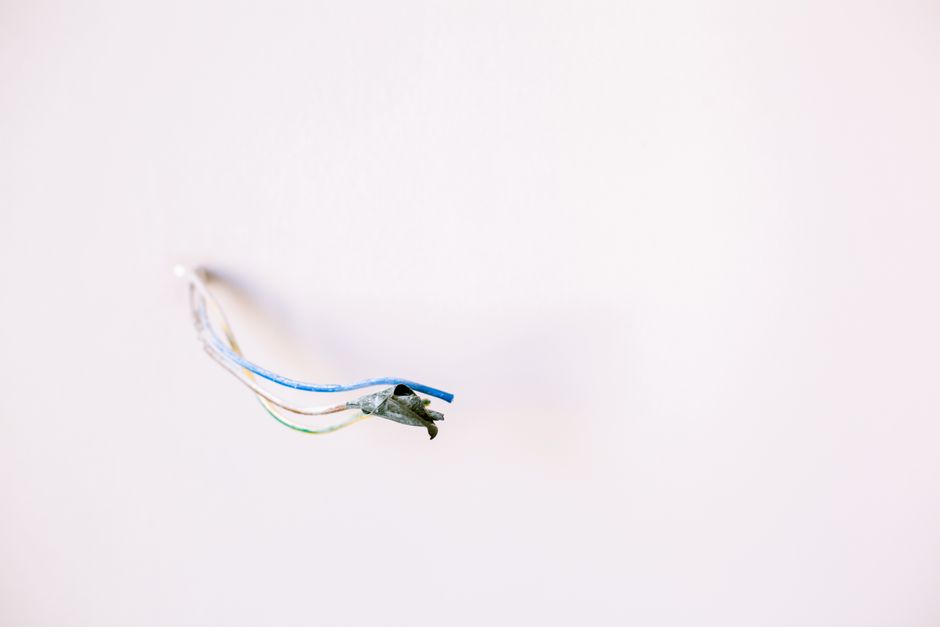
Aluminum wiring repair requires converting unsafe aluminum conductors to copper using NEC-compliant methods, primarily through pigtailing (connecting copper to aluminum at junction boxes with approved connectors) or full replacement. Both methods must meet current electrical code standards and be performed by licensed electricians. (Related: Complete Guide to NFPA 70 National Electrical Code (NEC): Key Requirements, Updates, and Practical Applications for Electricians) (Related: Transformer Sizing Guide: How to Pick the Right KVA Rating) (Related: Federal Pacific Electric Panel Dangers: 5 Critical Risks in 2026) (Related: Electrical power requirements and NEC compliance for data center infrastructure) (Related: Essential 2026 Guide: 5 Crawlspace Electrical Requirements You Must Know) (Related: Swimming Pool Bonding Requirements: 7 Essential Rules for 2026)
What is Aluminum Wiring and Why It Needs Repair
Between 1965 and 1973, builders widely installed aluminum branch-circuit wiring in residential homes as a cost-saving alternative to copper. While aluminum wiring itself isn’t inherently dangerous, its physical properties create serious fire risks over time. Aluminum expands and contracts more than copper under heat cycling, loosening connections at outlets, switches, and panels. It also oxidizes rapidly, forming aluminum oxide — a poor electrical conductor that generates resistance and heat at connection points.
According to OSHA’s electrical safety guidelines, improper or deteriorating electrical connections are a leading cause of workplace and residential electrical fires. Homes with single-strand aluminum branch-circuit wiring are statistically at higher risk of fire than those with copper — a finding that has driven decades of NEC code refinement and aluminum wiring replacement techniques.
Can aluminum wiring be safely repaired or must it be replaced?
Aluminum wiring can be safely repaired without full replacement in many situations. The most widely accepted repair method is pigtailing — attaching short copper wire extensions to existing aluminum conductors using CO/ALR-rated connectors or twist-on connectors specifically listed for aluminum-to-copper connections. When performed correctly at every connection point in the home, pigtailing restores a safe, code-compliant electrical system at a fraction of full replacement cost. Full replacement remains the gold standard but is often cost-prohibitive in older homes.
NEC Code Requirements for Aluminum Wiring
What does the NEC code say about aluminum wiring in residential homes?
NEC code aluminum wiring requirements are addressed primarily in NEC Article 310 (conductors for general wiring) and through device listing requirements. The NEC does not prohibit aluminum wiring outright — it regulates how aluminum conductors must be terminated and connected. Key NEC requirements include:
- CO/ALR-rated devices: Outlets and switches connected directly to aluminum wiring must be marked CO/ALR, indicating they’re designed for aluminum conductor compatibility.
- Antioxidant compound: Aluminum conductor terminations typically require an approved antioxidant paste to prevent oxidation at connection points.
- Connector listings: Any aluminum to copper conversion must use connectors specifically listed for that purpose — standard wire nuts are not acceptable for aluminum-copper connections.
- Wire sizing: Aluminum conductors must be upsized relative to copper for equivalent ampacity. A 15-amp circuit requires 12 AWG aluminum versus 14 AWG copper.
Local jurisdictions may impose additional requirements beyond the NEC baseline. Always verify current adopted code requirements with your local authority having jurisdiction (AHJ) before beginning any safe aluminum wire upgrade.
Safe Conversion Techniques: Pigtailing vs. Full Replacement
Understanding the difference between aluminum wiring repair methods helps homeowners and contractors choose the right approach for each situation.
Pigtailing Method
Pigtailing connects a short copper wire segment to the existing aluminum conductor inside each junction box, outlet box, and switch box. The copper pigtail then connects to standard copper-rated devices. This is the most common and cost-effective aluminum wiring replacement technique. Approved connectors for pigtailing include:
- AlumiConn connectors (listed for aluminum-to-copper connections)
- COPALUM crimp connectors — the method historically recommended by the U.S. Consumer Product Safety Commission, requiring a special crimping tool
Standard wire nuts, even if labeled for copper-aluminum use, are generally not recommended for long-term aluminum-to-copper connections due to potential loosening over time.
Full Replacement
Complete aluminum to copper conversion involves removing all aluminum branch-circuit wiring and replacing it with copper. This is the most thorough solution, eliminating all aluminum conductor risks permanently. It is most practical during renovations when walls are already open, or in smaller homes where the labor cost is manageable. Full replacement always produces a completely code-compliant electrical wiring system regardless of age or condition.
Step-by-Step Aluminum to Copper Conversion Process
- Identify aluminum wiring: Check your panel and junction boxes for wire marked “AL” or “ALUM,” or look for the characteristic silver-colored conductors.
- Map all connection points: Document every outlet, switch, junction box, and fixture where aluminum conductors terminate. A thorough home inspection is essential before beginning.
- Shut off power: De-energize each circuit at the panel and verify with a non-contact voltage tester before touching any conductors.
- Prepare aluminum ends: Strip insulation carefully (aluminum nicks easily), clean oxidation from conductor ends, and apply antioxidant compound.
- Install approved connectors: Connect copper pigtails using AlumiConn or COPALUM connectors following manufacturer torque specifications exactly.
- Replace devices with CO/ALR-rated units: If not pigtailing, replace all outlets and switches with CO/ALR-listed devices.
- Inspect and test: Restore power and test each circuit. Have the completed work inspected by your local AHJ to confirm code-compliant electrical wiring throughout.
Cost Analysis and Compliance Considerations
Pigtailing an average 1,500 sq. ft. home typically costs between $1,500 and $4,000 depending on the number of connection points and local labor rates. Full aluminum to copper conversion in the same home can range from $8,000 to $20,000+, particularly if walls must be opened for access.
From a compliance standpoint, insurance companies increasingly require documentation of aluminum wiring repairs. Many insurers charge higher premiums or deny coverage entirely for homes with unaddressed aluminum wiring — making the cost of repair a practical financial necessity, not just a safety choice.
Common Mistakes to Avoid During Aluminum Wiring Upgrades
- Using standard wire nuts: Not listed for permanent aluminum-copper connections. Always use connectors specifically rated for the application.
- Skipping antioxidant compound: Omitting this step leaves aluminum conductors vulnerable to oxidation and increased resistance at every termination.
- Leaving CO/ALR devices out: Even after pigtailing, any outlet or switch directly terminating aluminum (without a copper pigtail) must be CO/ALR rated.
- Missing connection points: Partial repairs leave risk in the system. Every single aluminum conductor termination in the home must be addressed.
- Skipping the permit and inspection: Uninspected aluminum wiring repairs can create insurance voidance issues and liability problems at resale.
How to Use the Wire Size Calculator for Aluminum Circuits
Before replacing or repairing aluminum branch circuits, confirm your conductor sizing meets current NEC ampacity requirements. Our Wire Size Calculator
- Ideal 65-Piece Aluminum and Copper Connector Set — Direct match for pigtailing method – AlumiConn connectors and approved aluminum-to-copper terminals are essential for code-compliant repairs mentioned in the post
- Klein Tools Electrical Wire Strippers and Crimpers Kit — Professional-grade tools needed for proper aluminum wiring repair work and connector installation as part of NEC-compliant upgrades
- Fluke Digital Multimeter Electrical Tester — Essential safety testing equipment for verifying proper connections and ensuring code compliance after aluminum wiring repairs
See also: Ohm’s Law Calculator: The Complete Guide to Electrical Calculations
See also: Wire Gauge Calculator: Your Complete Guide to Right-Sizing Electrical Wire
See also: Complete Electrical Panel Labeling System Guide for 2026
Related: 5 Essential Ways to Upgrade Aluminum Wiring to Copper in 2026
Related: Aluminum vs Copper Wiring: 5 Essential Safety Upgrades for Your Home in 2026
Related: Aluminum Wiring in Older Homes: Risks and Safe Repairs
SPONSORED
Estimating Software Built for Electrical Contractors
ArcSite lets you draw site plans, create estimates, and close jobs faster — all from your phone or tablet. Used by 100,000+ field service professionals.
Try ArcSite Free →Affiliate partner — we may earn a commission at no cost to you.