Selecting the correct wire gauge (AWG) is essential for safe, efficient electrical installations. Using undersized wire creates fire hazards and voltage drops, while oversized wire wastes money and space. Our wire gauge calculator helps you determine the proper AWG based on amperage, circuit length, and voltage to ensure code compliance and optimal performance.
Understanding Wire Gauge and AWG Standards
The American Wire Gauge (AWG) system measures electrical wire diameter and cross-sectional area. The scale works inversely—lower numbers represent thicker wires with greater ampacity (current-carrying capacity), while higher numbers indicate thinner wires suitable for lower amperage applications.
Wire gauge selection impacts three critical factors in your electrical system:
- Ampacity: The maximum safe current a wire can carry without overheating
- Voltage Drop: The reduction in voltage that occurs across long conductor runs
- Code Compliance: Meeting National Electrical Code (NEC) requirements for safety
For example, a 14 AWG wire safely carries 15 amps at 60°C in most residential applications, while 10 AWG handles 30 amps under the same conditions. Exceeding these ratings generates dangerous heat that can melt insulation and cause fires.
The NEC mandates that circuit protection (breakers or fuses) matches your wire’s ampacity rating. If you install a 20-amp breaker on 14 AWG wire rated for 15 amps, you’ve created a serious hazard. This is why proper gauge selection during planning prevents costly and dangerous code violations during inspection.
Key Factors Affecting Wire Gauge Selection
Several variables determine which AWG you need for a specific circuit. Understanding these factors helps you make informed decisions and communicate effectively with inspectors.
Circuit Length and Distance: Voltage drop increases with distance. The National Electrical Code recommends keeping voltage drop under 3% on branch circuits and 5% on combined feeder and branch circuits. A 20-amp, 120V circuit running 50 feet to a distant outlet requires heavier gauge wire than the same circuit running 10 feet, even though the breaker size remains 20 amps.
Amperage Requirements: Calculate total load by adding all device wattages, then divide by voltage (amps = watts ÷ volts). A 240V electric water heater drawing 4,500 watts needs 18.75 amps, requiring 12 AWG wire and a 20-amp breaker. Underestimating load requirements guarantees inadequate service.
Conductor Material and Temperature Rating: Copper wire handles current better than aluminum (requiring one gauge size larger), and insulation temperature ratings affect ampacity. A 12 AWG wire rated 60°C handles less current than the same gauge rated 90°C. Always verify your wire’s temperature rating matches your application.
Installation Method: Conduit, cable trays, or open air installation methods influence how wire dissipates heat. Wires bundled in conduit generate more heat than those installed individually in open air, potentially requiring larger gauges for the same amperage in conduit applications.
Common Wire Gauge Applications and Ratings
Most residential and light commercial work uses AWG sizes from 14 to 2. Understanding typical applications helps you quickly identify appropriate gauges for standard circuits.
Residential Branch Circuits (120V): Standard 15-amp circuits use 14 AWG, while 20-amp circuits require 12 AWG. These handle typical outlets and lighting throughout homes. Never install 20-amp breakers on 14 AWG wire, regardless of the connected load.
240V Circuits: Electric ranges, dryers, and water heaters require larger gauges. A standard electric dryer pulling 5,000 watts at 240V draws 20.8 amps, requiring 12 AWG wire and a 25-amp breaker. Electric ovens and ranges demand 8 AWG minimum, often requiring 6 AWG for 50-amp service.
Subpanel and Feeder Service: The wire connecting your main panel to a subpanel or service entrance depends on total amperage. A 100-amp service requires 4 AWG copper or 2 AWG aluminum. A 200-amp service needs 2/0 or larger copper wire.
Data and Low-Voltage Circuits: Thermostat wiring, doorbell circuits, and data networks use much smaller gauges like 18 AWG or even 22 AWG because amperage requirements are minimal. These applications prioritize wire flexibility over current capacity.
How to Use the Wire Gauge Calculator
Our wire gauge calculator eliminates guesswork by computing the exact AWG needed for your specific installation. Simply input your circuit parameters, and the calculator accounts for voltage drop, ampacity, and code compliance automatically.
To use the calculator effectively:
- Enter the total amperage your circuit must handle (calculated from total wattage ÷ voltage)
- Input the one-way distance in feet from the power source to the furthest outlet or device
- Select your voltage (120V, 240V, 277V, or 480V)
- Choose your conductor material (copper or aluminum)
- Specify the number of conductors if running multiple circuits in the same conduit
The calculator instantly displays the minimum recommended AWG, accounts for voltage drop percentage, and confirms compliance with NEC standards. Print or save results for your records and to show inspectors during code review.
FAQ: Wire Gauge Calculator Questions
Can I use a smaller wire gauge if I install a smaller breaker?
No. The breaker size must match the wire’s ampacity rating, not the other way around. If you use 14 AWG wire, you must install a 15-amp maximum breaker, regardless of whether your load only draws 10 amps. Installing a 20-amp breaker on 14 AWG wire violates code and creates fire hazard because the breaker won’t trip until 20 amps, but the wire fails at 15 amps.
Why does voltage drop matter if my breaker handles the amperage?
Voltage drop affects device performance independent of safety. A 120V circuit experiencing 10% voltage drop delivers only 108V to the load. Motors run hotter and less efficiently, lights dim noticeably, and heating elements take longer to reach temperature. NEC limits voltage drop to 3% on branch circuits for this reason. Our calculator ensures your wire size maintains acceptable voltage drop.
Is copper wire always better than aluminum?
Copper is superior due to lower resistance and better conductivity. However, aluminum is acceptable when properly sized—aluminum requires one gauge size larger than copper for equivalent ampacity (e.g., 10 AWG aluminum instead of 12 AWG copper for 30 amps). Aluminum costs less but requires larger conduit and larger breaker lugs. Most residential work uses copper, while aluminum appears in large feeder applications and utility lines.
Conclusion
Proper wire gauge selection ensures electrical safety, code compliance, and optimal circuit performance. Never guess on wire size or assume you can downgrade for cost savings. Use our wire gauge calculator, verify results against NEC tables, and consult local inspectors before installation. When in doubt, choose the larger gauge—oversized wire never caused a problem, but undersized wire causes fires.
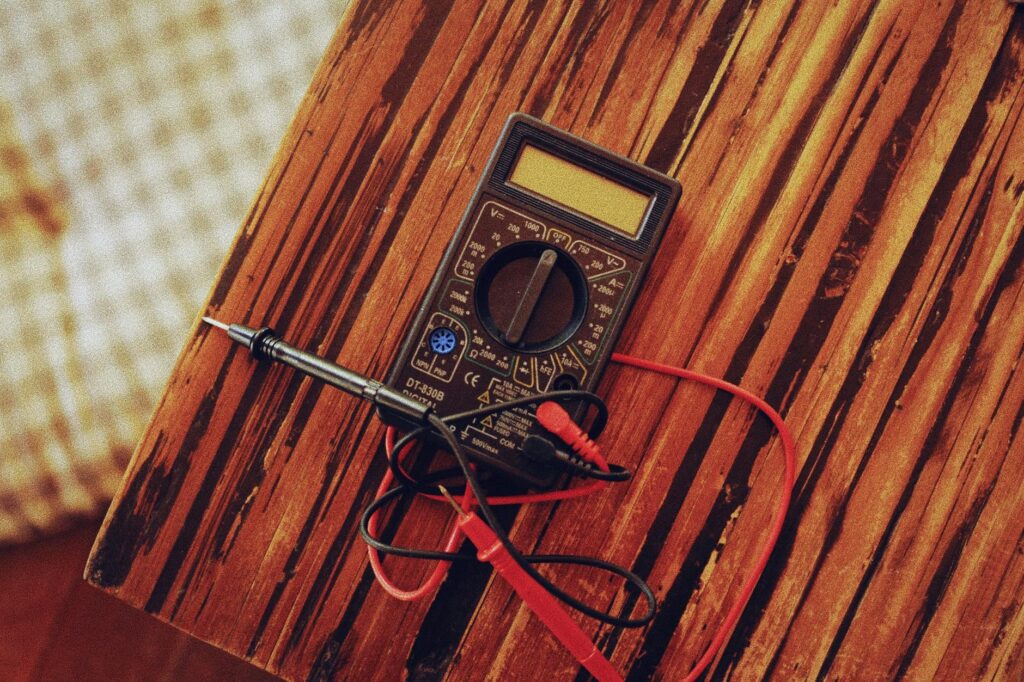
- Digital Multimeter with Wire Gauge Testing — Essential tool for electricians and DIYers to verify wire specifications and test circuits after installation based on calculated gauge requirements
- Wire Stripper and Crimper Tool Set — Practical companion tool needed to properly work with various AWG wire sizes after determining correct gauge with the calculator
- Electrical Wire Assortment Pack (Multiple AWG Sizes) — Allows users to purchase the appropriate wire gauges identified by the calculator for their specific circuit projects
SPONSORED
Estimating Software Built for Electrical Contractors
ArcSite lets you draw site plans, create estimates, and close jobs faster — all from your phone or tablet. Used by 100,000+ field service professionals.
Try ArcSite Free →Affiliate partner — we may earn a commission at no cost to you.