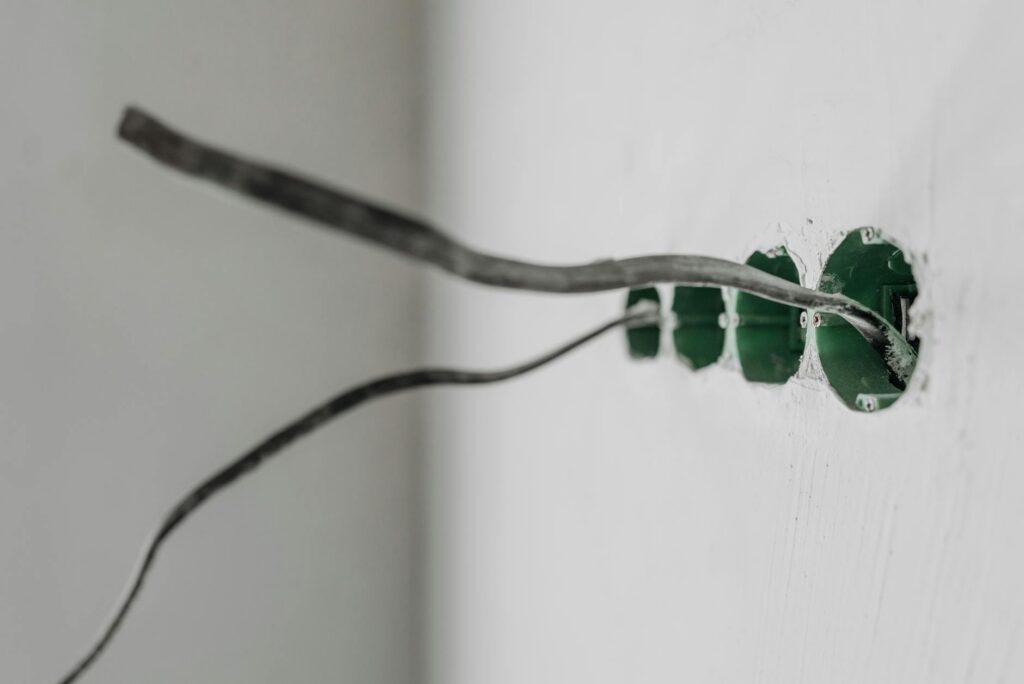
Installing outdoor outlets requires strict adherence to electrical codes to ensure safety and longevity. You’ll need GFCI protection, proper conduit sizing, and weather-resistant boxes to meet NEC requirements and protect against moisture, shock hazards, and environmental damage. This guide covers everything you need to know about meeting code and protecting your outdoor electrical installations.
GFCI Protection Requirements for Outdoor Outlets
Ground Fault Circuit Interrupter (GFCI) protection is non-negotiable for any outdoor outlet installation. The National Electrical Code (NEC) requires all outdoor receptacles to have GFCI protection, whether you install a GFCI outlet directly or use a GFCI breaker in your panel.
GFCI devices detect ground faults—dangerous current leaks to ground—and shut off power in milliseconds. This is critical outdoors where moisture exposure is constant. You have two installation options:
GFCI Outlets: Install a GFCI receptacle at the location where you need protection. These devices have a built-in mechanism and typically cost $15-25 each. One GFCI outlet can protect all standard outlets downstream on the same circuit if they’re connected properly.
GFCI Breakers: Install a GFCI breaker in your main panel to protect an entire circuit. This option works well when protecting multiple outdoor outlets and costs $40-80 per breaker. The advantage is that one device protects everything on that circuit, simplifying troubleshooting and maintenance.
Code requires testing GFCI devices monthly using the built-in test button. Install outlets in locations where they’re easily accessible for testing. Consider installing under eaves or in protective covers if outlets are exposed to direct rain.
Proper Conduit Selection and Sizing
Outdoor wiring must run through conduit to protect cables from UV exposure, physical damage, and moisture penetration. The type and size of conduit you choose depends on your specific installation.
Conduit Types: Schedule 40 PVC (polyvinyl chloride) is the most common choice for outdoor installations due to its weather resistance and affordability. Rigid metal conduit (RMC) offers superior protection but costs more and requires grounding. Intermediate metal conduit (IMC) provides a middle ground. Never use non-metallic sheathed cable (Romex) outdoors—it lacks necessary UV and moisture protection.
Sizing Conduit: Conduit size depends on the number and gauge of wires you’re running. The NEC provides fill tables limiting how much wire space you can use. For example, a 1-inch conduit can accommodate three #10 AWG wires, while a 1.25-inch conduit handles three #8 AWG wires. Oversizing slightly improves wire installation ease and future flexibility. Never exceed 40% of conduit interior diameter with wire fill.
Installation Best Practices: Bury rigid conduit at least 18 inches deep, or 24 inches for PVC in areas subject to vehicle traffic. Above-ground conduit should be securely fastened every 3 feet and within 12 inches of boxes or fittings. Use proper fittings rated for outdoor use—cheap fittings corrode and allow water infiltration. All conduit connections must be watertight using compression or set-screw fittings designed for outdoor conditions.
Weather-Resistant Boxes and Enclosures
The outlet box itself is your first line of defense against weather. Standard indoor boxes corrode and allow water entry. Outdoor installations demand weather-resistant or weatherproof boxes.
Box Types and Ratings: NEMA 3R or NEMA 4X rated boxes are designed for outdoor exposure. NEMA 3R boxes protect against rain, sleet, and ice with a removable cover. NEMA 4X boxes offer higher protection, resisting corrosion and ice formation. Stainless steel boxes provide superior durability in coastal or chemically corrosive environments, though they cost more.
Box Placement and Orientation: Install outlet boxes with the opening facing downward when possible to prevent water from dripping directly into the receptacle. If facing sideways, install a rain hood or canopy above the outlet. Never install outlets with openings facing upward. Ensure at least 12 inches of clearance around boxes for maintenance access.
Gaskets and Seals: Use weatherproof gaskets and seals on all cover plates and box openings. Silicone gaskets last longer than rubber. Apply silicone sealant around where conduit enters boxes. Install blank plates on unused receptacles to prevent water and insect entry. Check seals annually and replace deteriorated gaskets—a $2 gasket prevents thousands in water damage.
Outlet Covers: Use in-use weatherproof covers that accommodate plugged-in cords while remaining weather-resistant. Standard toggle covers don’t work with electrical cords. In-use covers maintain protection even when equipment is plugged in, meeting modern code requirements.
How to Calculate Your Conduit and Wiring Needs
Properly sizing your conduit and selecting appropriate wire gauge ensures code compliance and safe operation. Our conduit fill calculator simplifies this process by showing exactly how many wires fit in various conduit sizes, helping you avoid overfilling and ensuring proper installation the first time.
Frequently Asked Questions
Do I Need a Permit for Outdoor Outlet Installation?
Yes, virtually all jurisdictions require permits for new outdoor outlet installations. Permits ensure your work meets current NEC codes and local amendments. Unpermitted work can void homeowner’s insurance, create safety hazards, and cause problems during home sales. The permit process typically costs $25-75 and includes an inspection. Hiring a electrical writer automatically includes permitting in professional installations.
Can I Use an Indoor Outlet Box Outdoors if I Add a Cover?
No. Indoor boxes lack the necessary corrosion resistance and material durability for outdoor exposure. Adding a cover doesn’t address the underlying issue—moisture will still penetrate unrated boxes through conduit connections and corrode metal components. The minimal cost difference between indoor and outdoor boxes ($5-15) doesn’t justify the safety and longevity issues. Always specify NEMA 3R or 4X rated boxes for outdoor installations.
How Often Should I Test My Outdoor GFCI Outlets?
The National Electrical Code recommends testing GFCI devices monthly. Press the “TEST” button, which should immediately cut power. Then press “RESET” to restore power. If the outlet doesn’t trip during testing, it’s defective and needs replacement. Monthly testing catches failures before someone gets hurt. Set a phone reminder for the first of each month to make testing routine.
- GFCI Outlet 20 Amp Weatherproof — Directly addresses the primary component discussed in the post – GFCI protection is essential for outdoor outlet installation
- Outdoor Electrical Box Kit — Post specifically mentions weather-resistant boxes as a key requirement for outdoor outlet installation per NEC codes
- PVC Conduit and Fittings Kit — Proper conduit sizing is highlighted as essential for protecting wiring and meeting code requirements in outdoor installations
SPONSORED
Estimating Software Built for Electrical Contractors
ArcSite lets you draw site plans, create estimates, and close jobs faster — all from your phone or tablet. Used by 100,000+ field service professionals.
Try ArcSite Free →Affiliate partner — we may earn a commission at no cost to you.