Selecting the correct wire gauge is one of the most critical decisions in any electrical project, whether you’re installing a new circuit in your home, running power to a workshop, or designing an industrial system. The wrong wire gauge can lead to voltage drop, overheating, fire hazards, and equipment damage. A wire gauge calculator removes the guesswork and ensures your installation meets electrical codes while protecting your investment.
This comprehensive guide explains what wire gauge means, why it matters, how to use a calculator effectively, and how to choose the right wire for your specific application.
What Is Wire Gauge and Why Does It Matter?
Wire gauge refers to the diameter of an electrical conductor, measured in AWG (American Wire Gauge). The AWG system uses numbers from 0000 (largest diameter) down to 40 (smallest diameter). Counterintuitively, smaller numbers indicate thicker wires with lower resistance, while larger numbers indicate thinner wires with higher resistance.
Wire gauge matters because it directly affects how much electrical current a wire can safely carry without overheating. A wire that’s too thin for the circuit it serves will generate excessive heat, potentially melting the insulation and causing a fire. A wire that’s too thick is wasteful and expensive but safe. The National Electrical Code (NEC) specifies ampacity tables that list the maximum current each wire gauge can carry at different temperatures and insulation types.
Voltage drop is another critical factor. When current travels through a wire, resistance causes some voltage to be lost along the way. For long wire runs—say, 100 feet from your breaker panel to a subpanel—using undersized wire can result in voltage drop exceeding 3%, which causes lights to dim, motors to run hot, and equipment to underperform. A quality wire gauge calculator accounts for distance, amperage, and voltage to prevent these problems.
How a Wire Gauge Calculator Works
A wire gauge calculator uses the following inputs to determine the correct wire size:
- Amperage (current): The maximum current your circuit will draw, measured in amps. For a 20-amp circuit, you enter 20.
- Wire material: Copper or aluminum. Copper is more conductive and requires a smaller gauge; aluminum requires one size larger for the same amperage.
- Wire distance: The total length of the run in feet, measured from the power source to the load. A 50-foot run requires a larger gauge than a 10-foot run.
- Voltage system: Single-phase (120V/240V residential) or three-phase (industrial). Three-phase systems can use slightly smaller wire for the same amperage.
- Acceptable voltage drop: Typically 3% for branch circuits or 5% for feeder circuits. Some projects specify 2% for sensitive equipment.
- Conduit type: Whether wire is in conduit, which affects heat dissipation and ampacity ratings.
The calculator runs these values through Ohm’s Law (V = I × R) and the NEC ampacity tables to output the minimum wire gauge that meets code and prevents excessive voltage drop. Professional calculators also provide cost estimates and cross-reference multiple wire sizes so you can compare options.
Step-by-Step Guide to Using a Wire Gauge Calculator
Step 1: Determine your amperage. Check your circuit breaker or equipment nameplate for the rated current. If installing a new circuit, add 25% to the expected load (so a 16-amp load requires 20-amp wire).
Step 2: Measure wire distance. Measure from your power source (breaker panel, generator, or power supply) to the farthest outlet or equipment. This is often longer than you think—account for walls, conduit runs, and vertical drops.
Step 3: Select wire material. Copper is standard for most residential work and carries more current per gauge. Aluminum is used in feeder cables and high-amperage runs because it’s cheaper, though it requires larger gauge (and special connectors to prevent oxidation).
Step 4: Choose your voltage system. Residential is typically 120/240V single-phase. Industrial facilities use 208V, 277V, 480V, or three-phase systems.
Step 5: Set voltage drop limit. The NEC recommends no more than 3% for branch circuits (where you plug in devices) and 5% combined for feeder plus branch. For sensitive equipment like data centers or medical devices, use 2%.
Step 6: Run the calculation. Input your values and let the calculator recommend the minimum AWG. Compare against the NEC ampacity table to confirm the wire can handle your amperage at the temperature rating of your insulation (typically 60°C or 75°C).
Step 7: Order with a safety margin. Most electricians round up one wire size for future-proofing, ensuring your wiring accommodates equipment upgrades without replacement.
Common Wire Gauge Applications and Sizes
Here are typical wire gauges for standard residential and commercial applications:
- 14 AWG: 15-amp circuits up to 50 feet (lighting, outlets). Cost approximately $0.08–$0.12 per foot.
- 12 AWG: 20-amp circuits up to 100 feet (kitchen, bathroom, garage outlets). Cost approximately $0.10–$0.15 per foot.
- 10 AWG: 30-amp circuits or 12-20 amp loads over 100+ feet (electric water heaters, ranges, subpanels). Cost approximately $0.15–$0.22 per foot.
- 8 AWG: 40-50 amp circuits (large appliances, EV chargers, long feeder runs). Cost approximately $0.25–$0.35 per foot.
- 6 AWG: 65-amp circuits (main service upgrades, heavy-load feeders). Cost approximately $0.35–$0.50 per foot.
- 4 AWG and larger: 85-amp+ circuits (utility-scale installations, three-phase systems).
These are general guidelines; always consult our free electrical calculator and your local electrical code for your specific situation.
Frequently Asked Questions
What happens if I use wire that’s too small?
Undersized wire generates excessive heat due to high resistance, potentially melting insulation and causing electrical fires. Additionally, voltage drop degrades equipment performance—motors run hot, lights dim, and chargers work inefficiently. Always use the gauge your calculator recommends as a minimum.
Can I use aluminum wire instead of copper to save money?
Yes, aluminum is 30–40% cheaper than copper and works well for feeder cables and high-amperage applications. However, aluminum requires one size larger gauge than copper for the same amperage, and it requires special AL-rated breakers and connectors to prevent oxidation. For most residential circuits under 20 amps, copper is simpler and more code-friendly.
Does wire insulation type affect gauge selection?
Yes. Wire insulated for 60°C (wet locations, older installations) has lower ampacity than 75°C or 90°C insulation. The NEC ampacity table lists values for each temperature rating, and your wire gauge calculator should account for this—enter your insulation temperature to get accurate results.
How do I account for future load growth?
Professional practice is to oversize by one wire gauge to accommodate equipment upgrades and avoid costly rewiring. If your calculator recommends 12 AWG, install 10 AWG. This adds 15–25% to material cost but saves thousands if you later add circuits or increase load.
Is voltage drop really important for short runs?
For runs under 50 feet with moderate current (15–20 amps), voltage drop is usually negligible (under 1%). For runs over 100 feet, high amperage (40+ amps), or sensitive equipment, voltage drop becomes critical—ignoring it wastes energy and degrades performance. Always calculate it; it takes 10 seconds with the right tool.
Conclusion
Sizing wire correctly is non-negotiable in electrical work. Using a wire gauge calculator eliminates errors, ensures NEC compliance, prevents dangerous overheating, and avoids wasted material and cost. Whether you’re a homeowner upgrading a circuit, a contractor bidding a job, or an engineer designing a facility, a reliable calculator saves time and protects lives.
The key inputs—amperage, distance, material, voltage system, and acceptable voltage drop—are simple to gather, and modern calculators process them instantly to recommend the exact wire gauge your project needs. Round up one size for safety and future-proofing, order accordingly, and install with confidence.
Use Our Free Electrical Calculator
Stop guessing on wire gauge. Head to electricalcalcpro.com today and try our free wire gauge calculator to instantly determine the correct wire size for your project. Simply enter your amperage, distance, and voltage system, and our tool outputs the exact AWG you need, plus estimated costs and NEC compliance confirmation. No signup required—get accurate results in seconds and start your electrical project the right way.
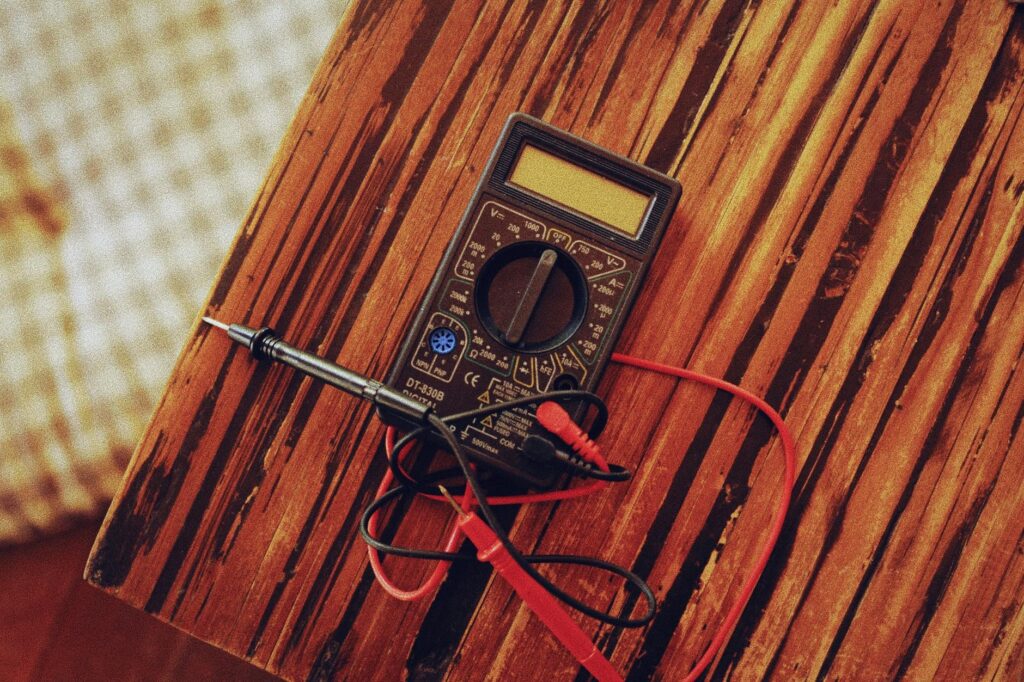
- Digital Multimeter with Wire Gauge Testing — Complements wire gauge selection by allowing users to test and verify wire specifications and electrical properties during installation
- Wire Stripping and Crimping Tool Kit — Essential companion tool for anyone working with properly sized wires, enabling correct installation and connection of appropriately gauged electrical wires
- Electrical Wire Assortment Pack — Practical product for DIY electricians and hobbyists to have multiple wire gauges on hand after determining correct sizing needs from the calculator guide
SPONSORED
Estimating Software Built for Electrical Contractors
ArcSite lets you draw site plans, create estimates, and close jobs faster — all from your phone or tablet. Used by 100,000+ field service professionals.
Try ArcSite Free →Affiliate partner — we may earn a commission at no cost to you.