
Ohm’s Law Calculator: Your Complete Guide to Electrical Calculations
Whether you’re a professional electrician, a student learning circuit basics, or a homeowner tackling DIY electrical projects, understanding Ohm’s Law […]
Whether you’re a professional electrician, a student learning circuit basics, or a homeowner tackling DIY electrical projects, understanding Ohm’s Law […]
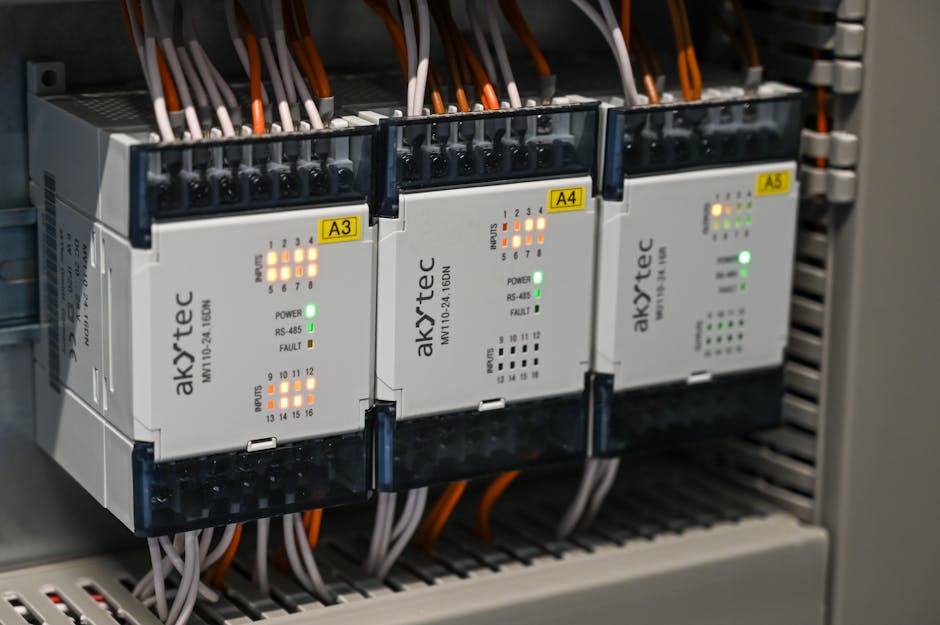
Ground fault protection prevents electrical shocks and fires through GFCI outlets, AFCI breakers, and standard circuit breakers. GFCI devices detect
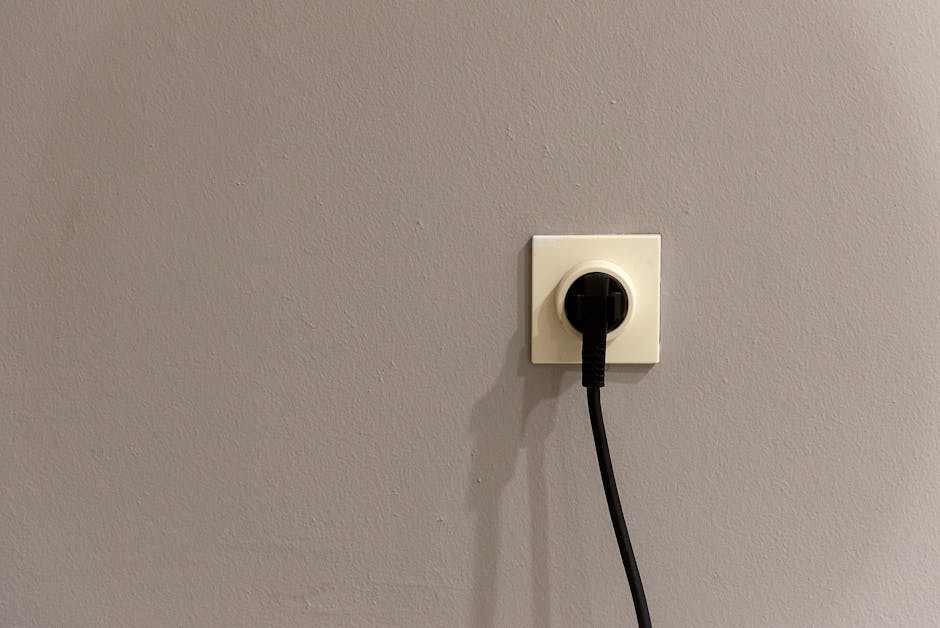
According to NEC code, standard outlet height is 12-16 inches above countertops for kitchens and bathrooms. Kitchen outlets must be
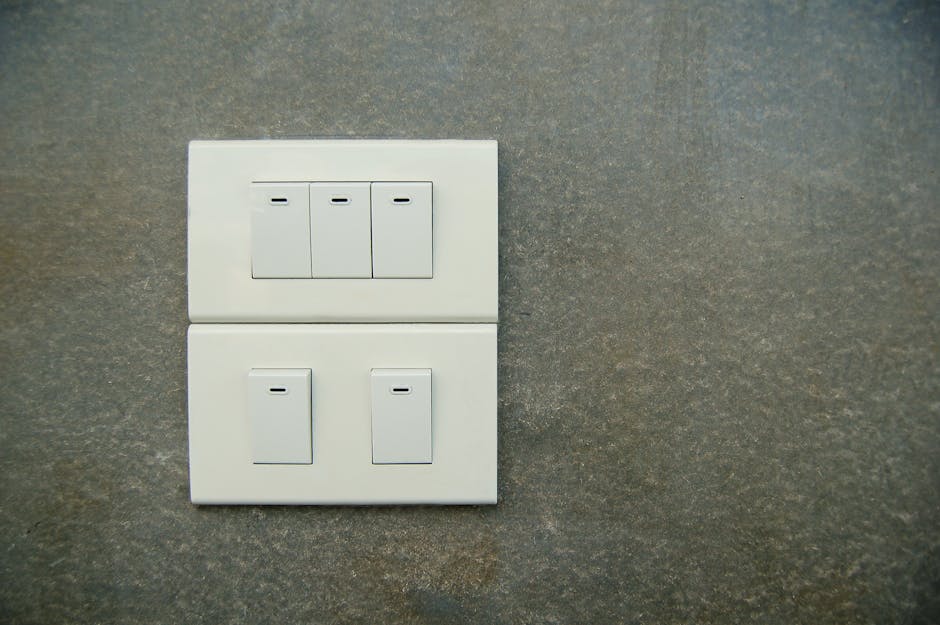
Dimmer switch load limits refer to the maximum wattage a dimmer can safely control, typically ranging from 600W to 1000W.

Copper wiring is the NEC-preferred standard for residential installations due to superior conductivity, lower fire risk, and better longevity. Aluminum

Copper wiring is superior to aluminum for residential applications due to better conductivity, lower fire risk, and superior code compliance.

Dock and boathouse wiring must comply with NEC Article 555, requiring corrosion-resistant materials, proper grounding, GFCI protection, and equipment rated

Whether you’re a professional electrician, a DIY enthusiast, or a student learning electrical fundamentals, understanding Ohm’s Law is essential. An
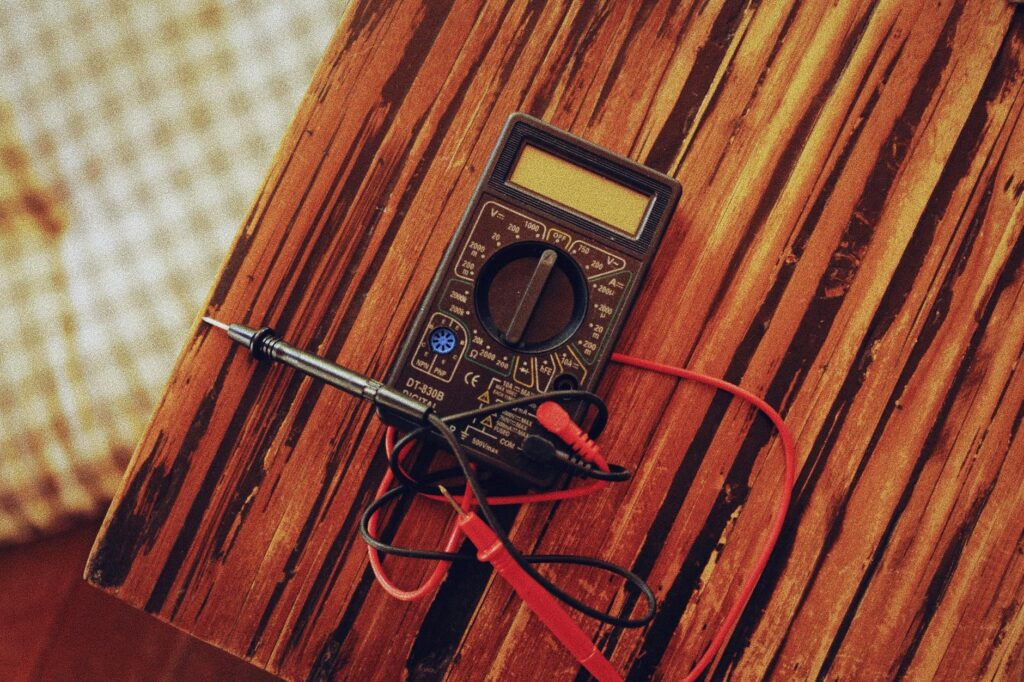
Choosing the correct wire gauge is one of the most critical decisions in any electrical project, whether you’re wiring a

Interconnected hardwired smoke detectors are systems where multiple detectors share a common electrical circuit and trigger simultaneously when one detects