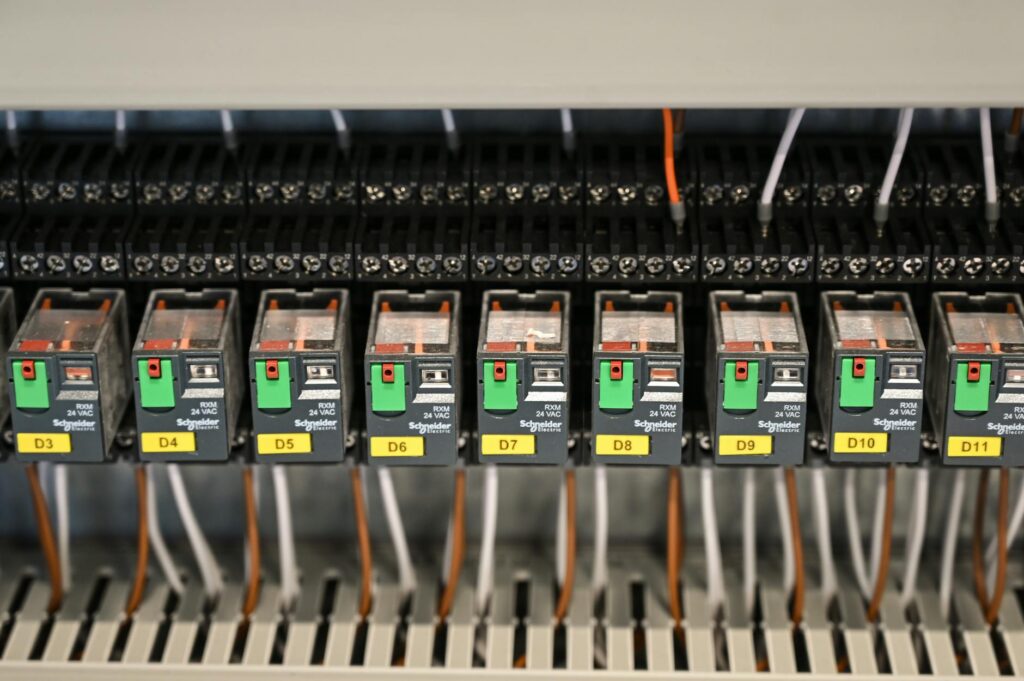
A 50-amp circuit is designed for larger electric ranges requiring more power, while a 40-amp circuit suits smaller or medium-capacity ranges. The correct amperage depends on your range’s power requirements, which you’ll find on the manufacturer’s nameplate. Understanding these differences ensures safe installation and proper appliance performance.
Understanding Amperage Requirements for Electric Ranges
Electric ranges demand substantial electrical power because they generate heat through high-wattage heating elements. Unlike gas ranges or smaller appliances, electric ranges typically draw between 40 and 50 amps continuously during operation.
The amperage your range requires depends primarily on its total wattage capacity. Most electric ranges fall into these categories:
- 40-amp ranges: Typically 8,000-9,600 watts, common in apartments and smaller homes
- 50-amp ranges: Typically 10,000-14,000 watts, found in newer homes and larger kitchens
The circuit breaker amperage must match or exceed your range’s requirements. An undersized circuit creates fire hazards, while an appropriately sized circuit protects your appliance and home wiring. Always check your range’s specification label for exact amperage needs—don’t guess based on your neighbor’s installation.
Modern building codes typically require 50-amp circuits for new electric range installations. However, many existing homes still use 40-amp circuits successfully with compatible ranges. If you’re replacing an old range with a new model, verify the new unit’s requirements first.
Key Differences Between 50 Amp and 40 Amp Circuits
The primary differences between these circuits extend beyond just amperage numbers. Understanding each component helps you make informed decisions.
Wire Gauge: A 40-amp circuit requires 8 AWG copper wire or 6 AWG aluminum wire. A 50-amp circuit requires 6 AWG copper wire or 4 AWG aluminum wire. This larger wire accommodates higher current flow safely. The increased wire size prevents overheating and voltage drop.
Circuit Breaker: These disconnects must match amperage exactly. A 40-amp breaker trips at 40 amps, while a 50-amp breaker trips at 50 amps. Never use a higher-rated breaker to force compatibility with an existing circuit—this defeats the breaker’s safety purpose.
Electrical Outlet/Receptacle: The physical outlets differ significantly. A 40-amp range outlet has a different configuration than a 50-amp outlet. They’re not interchangeable, and using an adapter is not code-compliant. If you’re upgrading from 40 to 50 amps, you’ll need to replace the outlet.
Installation Cost: Upgrading from 40 to 50 amps involves replacing the circuit breaker, rewiring with larger gauge wire, and installing a new outlet. This typically costs $800-$2,000 depending on your electrical panel location and existing wiring accessibility. The investment may be necessary when upgrading to a high-capacity range.
Power Delivery Consistency: A 50-amp circuit delivers more consistent power to multi-element ranges, preventing voltage sag when multiple burners operate simultaneously. A 40-amp circuit may experience slight dimming in nearby lights during peak usage on older installations.
Installation Safety and Code Compliance
Electric range circuit installation falls under strict electrical codes designed to prevent fires and electrical hazards. The National Electrical Code (NEC) specifies requirements for both amperage ratings and installation methods.
Professional Installation Required: While some homeowners handle electrical work, range circuits demand electrical writer installation in most jurisdictions. Your local building department likely requires permits and inspections. This isn’t bureaucratic red tape—it’s protection for your family and property.
Grounding and Bonding: Modern range circuits require proper grounding through a separate ground wire. Older installations sometimes used the neutral wire for grounding, which modern codes prohibit for safety reasons. When upgrading circuits, ensure proper grounding installation.
Disconnecting Means: Codes require a disconnect switch within sight of the range. This allows safe power isolation during maintenance or emergencies. Many modern ranges include internal disconnects, but your electrician will verify compliance with local codes.
Voltage Drop Considerations: If your range circuit runs a long distance from the electrical panel (typically over 50 feet), voltage drop becomes significant. Larger wire gauges minimize voltage drop, ensuring your range receives adequate power for optimal performance.
Future-Proofing: If you’re building a new home or completely remodeling, installing a 50-amp range circuit is wise. This provides flexibility if you upgrade to a larger range later and aligns with modern code standards.
How to Use Our Electrical Calculator
Determining the correct wire gauge and circuit size involves calculations based on amperage, distance, and acceptable voltage drop. Our wire size calculator simplifies this process, allowing you to input your specific requirements and receive accurate recommendations instantly.
To use the calculator effectively, gather these details:
- Your range’s required amperage (from the specification label)
- Distance from electrical panel to range location in feet
- Wire type (copper or aluminum)
- Whether the circuit is single or three-phase (residential ranges are single-phase)
The calculator accounts for voltage drop, a critical factor electricians must consider. Proper wire sizing ensures your range receives consistent power and operates safely throughout its lifespan.
Frequently Asked Questions
Can I use a 50-amp circuit for a 40-amp range?
Yes, using a larger amperage circuit than required is safe. However, you cannot use a 40-amp circuit for a 50-amp range. The undersized circuit cannot deliver adequate power, causing the breaker to trip frequently. Always match or exceed your range’s amperage requirements, never go below.
What’s the cost difference between installing 40-amp vs 50-amp range circuits?
A new 40-amp circuit costs approximately $400-$800, while a 50-amp circuit typically costs $600-$1,200 initially. However, if you’re upgrading an existing 40-amp to 50-amp, expect $800-$2,000 due to panel work, rewiring, and outlet replacement. Get quotes from electrical writers in your area for accurate pricing.
How do I know if my range needs 40 or 50 amps?
Check the manufacturer’s nameplate on your range’s back panel or in the installation manual. The label clearly states the circuit amperage requirement and wattage. Never assume based on age or size—specifications vary significantly between models and brands.