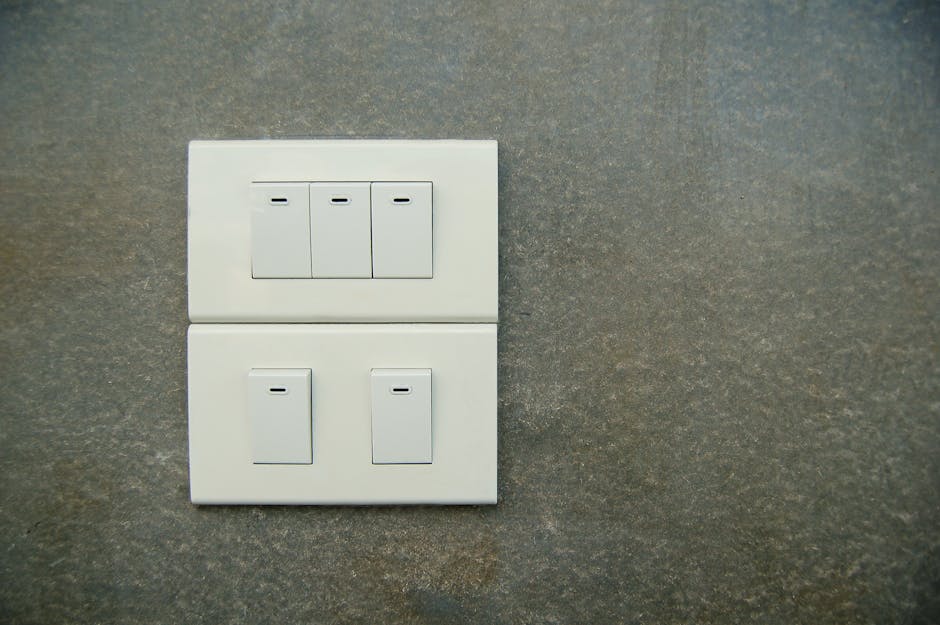
Dimmer switch load limits refer to the maximum wattage a dimmer can safely control, typically ranging from 600W to 1000W. Always verify the dimmer’s rated capacity, match compatible bulb types (incandescent, dimmable LED, or halogen), and follow NEC guidelines to prevent overload and ensure safe operation.
What Are Dimmer Switch Load Limits?
Dimmer switch load limits define the maximum electrical power a dimmer can manage without overheating or failing. These limits are determined by the dimmer’s internal circuitry, materials, and design specifications. Every dimmer manufactured for residential use carries a wattage rating, usually printed on the device itself or in its documentation.
The most common residential dimmers range from 600W to 1000W capacity. Commercial or heavy-duty dimmers can handle significantly higher loads—up to 2000W or more. Exceeding these limits creates heat buildup, which can damage the dimmer, pose fire risks, and void manufacturer warranties.
According to OSHA electrical safety guidelines, all electrical devices must operate within their rated specifications. Installing a dimmer that cannot handle your total fixture load violates both manufacturer recommendations and electrical codes.
The key is understanding your total connected load. If you have four 100W incandescent bulbs in a fixture, that’s 400W total. A standard 600W dimmer handles this easily. But if you’re using multiple high-wattage halogens or older incandescent fixtures, you could exceed capacity quickly.
Compatible Bulb Types for Dimmers
Not all bulbs work with dimmer switches. The type of bulb you use directly affects dimmer performance and load calculations.
Can you put any bulb in a dimmer switch?
No. Many bulbs will not function properly with dimmers or may be damaged by them. Here’s what works:
Incandescent Bulbs: These are the gold standard for dimmers. Traditional tungsten filament bulbs dim smoothly because the filament’s resistance changes with electrical flow. A 100W incandescent dimmer switch wattage rating accommodates these bulbs without issue. There’s no compatibility problem—incandescent bulbs were designed before dimmers existed, and dimmers were designed around incandescent technology.
Dimmable LED Bulbs: Modern dimmable LEDs work with dimmers, but you must buy bulbs specifically labeled “dimmable.” Standard LED bulbs lack the circuitry to respond to dimmer signals and will flicker, hum, or fail to dim. LED dimmer compatibility depends on matching the bulb’s dimming protocol to your dimmer type. Many newer dimmers are designed specifically for LED loads, which typically consume far less power than incandescent equivalents.
Halogen Bulbs: Dimmable halogen bulbs work with most residential dimmers, but they generate significant heat. Always verify the dimmer’s wattage rating before combining multiple halogen fixtures. A single 500W halogen fixture plus a 300W halogen elsewhere on the same dimmer already approaches 800W—close to many standard ratings.
CFL Bulbs: Most compact fluorescent bulbs should NOT be used in dimmers unless specifically labeled as dimmable. Standard CFLs lack the electronic components needed to respond to dimmer signals and may fail prematurely.
NEC Code Requirements for Dimmer Installation
The National Electrical Code establishes minimum standards for dimmer installation to protect homeowners and contractors.
Article 404 of the NEC addresses general-use switches, including dimmers. Key requirements include:
- Voltage ratings: Dimmers must match the circuit voltage (typically 120V residential)
- Wattage capacity: The dimmer rating must equal or exceed the total connected load
- Proper grounding: All dimmers must have proper ground connections
- Fire-rated enclosures: Dimmers installed in certain locations require fire-rated wall boxes
Additionally, the NEC requires that incandescent load dimmers be rated in watts, while electronic dimmers controlling LED or fluorescent loads may use different rating systems. This distinction matters when calculating whether your specific dimmer matches your specific fixture.
Section 404.14(E) specifically addresses dimmer switches and requires that any dimmer controlling a lighting load be appropriate for that load type. Using a standard incandescent dimmer on a modern LED fixture can cause compatibility issues; conversely, an LED-rated dimmer on pure incandescent may be oversized but safe.
How to Calculate Dimmer Capacity
Calculating whether your dimmer has sufficient capacity involves simple math:
- Identify all bulbs on the circuit: Count every bulb that will be dimmed by this switch
- Find each bulb’s wattage: Check the bulb packaging or fixture specifications
- Add the total: Sum all bulb wattages together
- Add a safety margin: Most electricians recommend not exceeding 80% of the dimmer’s rated capacity
- Compare to dimmer rating: Your total should not exceed your dimmer’s rated capacity
Example: A chandelier with six 60W incandescent bulbs = 360W total. A 600W dimmer has 80% capacity of 480W, so 360W fits comfortably.
LED loads require different calculation because dimmable LEDs draw much less power. A dimmable LED equivalent to a 60W incandescent may draw only 8-10W. Your total is dramatically lower, but you still must verify the dimmer’s LED compatibility rating.
Use our dimmer load calculator to verify your specific combination of bulbs and dimmer capacity instantly.
Common Mistakes When Installing Dimmers
Mistake 1: Mixing bulb types on one dimmer. Combining incandescent and LED bulbs on a single dimmer circuit often causes flickering because they respond differently to dimmer signals. Keep bulb types consistent on each dimmed circuit.
Mistake 2: Exceeding wattage without checking. Many contractors and homeowners assume older dimmers can handle anything. Always verify the specific dimmer’s rating before installation. Check the packaging or the dimmer body itself—it’s printed right there.
Mistake 3: Using non-dimmable LEDs on dimmers. Standard LED bulbs on dimmers create flickering, buzzing, and premature failure. This is probably the single most common complaint we see. Always buy bulbs labeled “dimmable.”
Mistake 4: Ignoring NEC requirements. Proper installation includes correct grounding, appropriate wall box selection, and voltage rating verification. Cutting corners creates safety hazards and fails inspection.
Mistake 5: Not accounting for future loads. Install a dimmer sized for potential future expansion, not just current needs. A 1000W dimmer costs only slightly more than a 600W dimmer but provides much more flexibility.
How to Use the Dimmer Load Calculator
Our electrical load calculator helps you instantly determine whether your dimmer capacity matches your fixture requirements. Input your bulb count, wattage per bulb, and dimmer rating to see if your installation is safe and code-compliant.
Related: dimmer switch load limits
Related: upgrade aluminum wiring to copper
Related: solar panel wiring calculations
Related: wire size calculator guide
Related: wire gauge sizing guide
FAQ
Recommended Resources:
- Lutron Caseta Wireless Dimmer Switch Kit — Direct product match for safe, rated dimmer switches with load limit specifications; helps readers implement recommendations from the article
- Kill-A-Watt Power Meter — Enables readers to verify actual wattage loads on circuits before installing dimmers, critical for following the article’s safety guidelines
- Philips Hue Dimmable LED Smart Bulbs — Addresses the article’s discussion of compatible dimmable LED bulb types and helps readers avoid overload issues with appropriate lighting solutions
- Lutron Caseta Wireless Dimmer Switch Kit — Direct product match for safe, rated dimmer switches with load limit specifications; helps readers implement recommendations from the article
- Kill-A-Watt Power Meter — Enables readers to verify actual wattage loads on circuits before installing dimmers, critical for following the article’s safety guidelines
- Philips Hue Dimmable LED Smart Bulbs — Addresses the article’s discussion of compatible dimmable LED bulb types and helps readers avoid overload issues with appropriate lighting solutions
Related: LED vs Incandescent: Watt Comparison & Load Calculator
Related: Dimmer Switch Installation Load Limits: The Complete 2026 Guide
SPONSORED
Estimating Software Built for Electrical Contractors
ArcSite lets you draw site plans, create estimates, and close jobs faster — all from your phone or tablet. Used by 100,000+ field service professionals.
Try ArcSite Free →Affiliate partner — we may earn a commission at no cost to you.