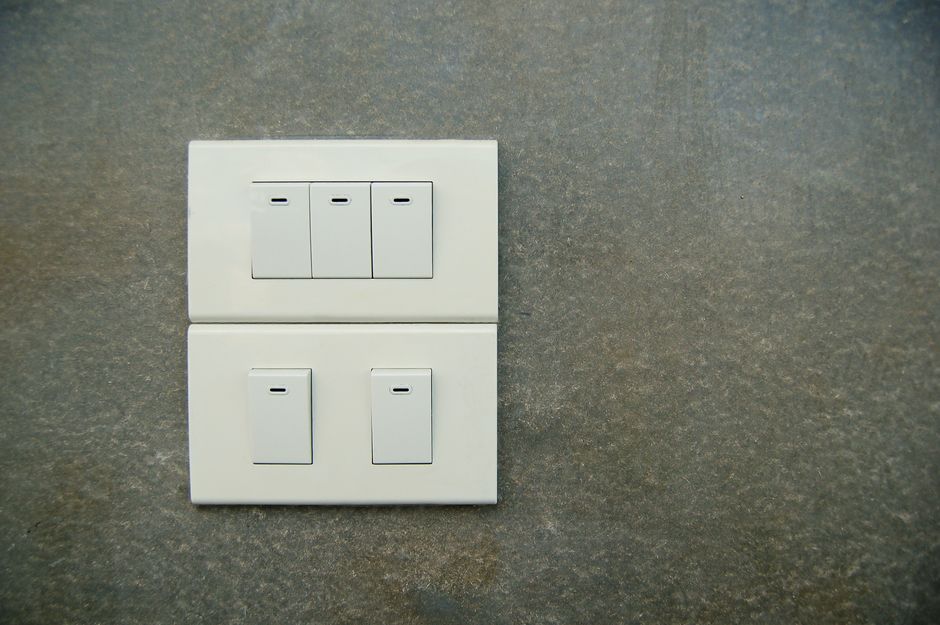
Dimmer switches have maximum wattage ratings typically between 600–1000 watts. Compatible bulbs include incandescent, halogen, and dimmable LED/CFL bulbs. Standard dimmer switches cannot control non-dimmable LEDs. Always verify bulb compatibility and total circuit load before installation. (Related: Complete Guide to GFCI vs AFCI vs Standard Breakers 2026) (Related: Electrical Wiring Color Codes: The Complete US vs International Guide 2026) (Related: Whole Home Generator Sizing Calculator: Complete Load Analysis Guide for 2026) (Related: How Revit 2026 Conductor Tools Integrate with NEC Code Compliance and Electrical Design Calculations) (Related: Amperage Calculator: Size Wire & Breakers the Right Way) (Related: Complete Electrical Panel Labeling System Guide for 2026)
Understanding Dimmer Switch Load Limits
Every dimmer switch carries a rated wattage capacity printed on the device or its packaging. Exceeding that dimmer switch wattage capacity causes overheating, premature failure, and in serious cases, an electrical fire. Most residential dimmers fall into one of three tiers:
- Standard single-pole dimmers: 600W rating, suited for small rooms with a handful of bulbs
- Mid-range dimmers: 1000W rating, appropriate for larger fixtures or multi-bulb installations
- High-capacity dimmers: 1500W–2000W rating, designed for commercial or high-load residential applications
What is the maximum load capacity for a standard dimmer switch?
A standard residential dimmer switch is rated for 600 watts at full load. However, the National Electrical Manufacturers Association (NEMA) and most dimmer manufacturers recommend derating the device to 80% of its labeled capacity under continuous use. That means a 600W dimmer should carry no more than 480W of actual connected load during normal operation. This derating principle mirrors the broader 80% continuous-load rule found throughout the NEC and is a critical safety margin you should never skip.
LED technology changes the math considerably. Because dimmable LED bulbs draw far less wattage than incandescent equivalents, a single 600W dimmer can now control many more fixtures in terms of bulb count — but LED dimmers often carry a minimum load requirement as well, typically 25–40W. Operating below the minimum load can cause buzzing, flickering, or erratic dimming behavior.
Compatible Bulb Types for Dimmer Switches
Bulb compatibility is one of the most misunderstood areas of dimmer switch installation. Using the wrong bulb type is the leading cause of flicker, hum, and shortened product life.
Can you use regular LED bulbs with a dimmer switch?
No. Standard non-dimmable LED bulbs should never be used with a dimmer switch. Non-dimmable LEDs lack the internal driver circuitry needed to handle the reduced voltage a dimmer produces. The result is often severe flickering, a buzzing noise from the fixture, and accelerated failure of the bulb’s driver. Always look for the “dimmable” label on LED packaging before purchasing bulbs for any dimmed circuit.
Here is a quick breakdown of incandescent vs dimmable LED bulbs and other common types:
- Incandescent bulbs: Fully compatible with virtually all dimmer types. Simple resistive load makes them the easiest to dim, but they are highly inefficient and being phased out.
- Halogen bulbs: Compatible with most standard dimmers. Similar dimming behavior to incandescent.
- Dimmable LED bulbs: Compatible when paired with an LED-rated dimmer. Verify the specific bulb model against the dimmer manufacturer’s compatibility list for best results.
- Dimmable CFL bulbs: Technically compatible with CFL-rated dimmers, but performance is often inconsistent. LEDs are generally a better long-term choice.
- Non-dimmable LED or CFL: Never use with any dimmer switch. These bulbs are not designed for variable voltage operation.
LED bulb dimmer compatibility is not universal even among dimmable LEDs. Different brands use different driver designs, so a bulb that performs flawlessly on one dimmer brand may flicker on another. Always cross-reference the dimmer manufacturer’s published compatibility list, which most brands post on their websites.
NEC Code Requirements for Dimmer Installation
The National Electrical Code (NEC) addresses dimmer installations primarily through Article 404, which covers switches. Key requirements include:
- Dimmers must be listed and labeled for the specific load type they control (incandescent, LED, fluorescent, etc.).
- Dimmers shall not be used to control receptacle outlets.
- Where dimmers are installed in multi-gang boxes, derating of total load capacity is required because adjacent devices generate heat that reduces each dimmer’s safe operating capacity.
- All wiring methods must comply with applicable NEC articles for the circuit voltage and ampacity.
According to OSHA’s electrical safety standards, improper wiring of control devices like dimmers is a recognized workplace hazard — a reminder that these requirements exist to prevent real injury, not just pass inspections. Even in residential settings, proper installation practices protect occupants from shock and fire risk.
Multi-gang derating is a detail many installers overlook. A 600W dimmer installed alone handles 480W at 80%. That same dimmer installed in a two-gang box alongside another dimmer may be derated to 500W by the manufacturer, bringing the 80% continuous load down to 400W. Always check the manufacturer’s multi-gang derating table before finalizing your load calculations.
Calculating Total Load Capacity
Calculating your dimmer’s actual usable load is a three-step process:
- Add up connected wattage: Total the wattage of every bulb on the circuit the dimmer controls.
- Apply the 80% derating rule: Multiply the dimmer’s rated capacity by 0.80 to find the maximum continuous load.
- Apply multi-gang derating if applicable: Reduce further per the manufacturer’s derating table if other dimmers or devices share the same enclosure.
For example, if you are installing eight dimmable LED bulbs at 10W each, your connected load is 80W — well within a standard 600W dimmer’s capacity. However, confirm the total is above the dimmer’s minimum load threshold (often 25–40W for LED dimmers), which it easily clears at 80W.
Need to verify your circuit load before purchasing equipment? Use the electrical load calculator on this site to total up fixture wattages and confirm your dimmer selection is properly sized.
Common Mistakes to Avoid
- Ignoring the minimum load requirement: Too few LED bulbs on an LED dimmer causes flickering and buzzing just as surely as overloading does.
- Installing non-dimmable LEDs: The most common and most damaging mistake. Always verify the dimmable designation before purchase.
- Skipping multi-gang derating: Overloading a dimmer in a crowded enclosure is a fire risk, not just a performance issue.
- Mixing bulb types on one circuit: Running incandescent and LED bulbs on the same dimmer circuit often produces uneven dimming and performance problems.
- Using a standard dimmer for motor or fan loads: Ceiling fan speed control requires a fan-rated speed controller, not a light dimmer. Using a light dimmer on a fan motor can damage the motor and create a fire hazard.
Installation Best Practices
- Lutron Caseta Dimmable Smart Switch — Directly addresses dimmer switch installation with smart home compatibility; readers installing dimmers need reliable, rated equipment
- GE Enbrighten Dimmable LED Bulbs (60W equivalent) — Post emphasizes compatibility between dimmer switches and dimmable LED bulbs; essential purchase for readers verifying bulb compatibility
- Kill-A-Watt Power Meter — Helps readers verify total circuit load and wattage ratings before installation, directly supporting the safety verification theme of the guide
See also: Complete Guide to Three-Phase Power Residential Installation in 2026
See also: The Complete Ohm’s Law Calculator Guide for 2026
See also: Washington State L&I Electrical Safety Standard Updates and NEC Code Compliance
See also: Conduit Fill Calculator: Size Conduit the Right Way
See also: Ohm’s Law Calculator: The Complete Guide to Voltage, Current, and Resistance
Related: Recessed Light Load Calculations: The Complete 2026 Guide to Circuit Capacity
Related: Pendant Light Wiring: Fixture Load Calculations and Hanging Height Guide 2026
Related: 7 Essential Dimmer Switch Load Limits You Must Know in 2026
SPONSORED
Estimating Software Built for Electrical Contractors
ArcSite lets you draw site plans, create estimates, and close jobs faster — all from your phone or tablet. Used by 100,000+ field service professionals.
Try ArcSite Free →Affiliate partner — we may earn a commission at no cost to you.