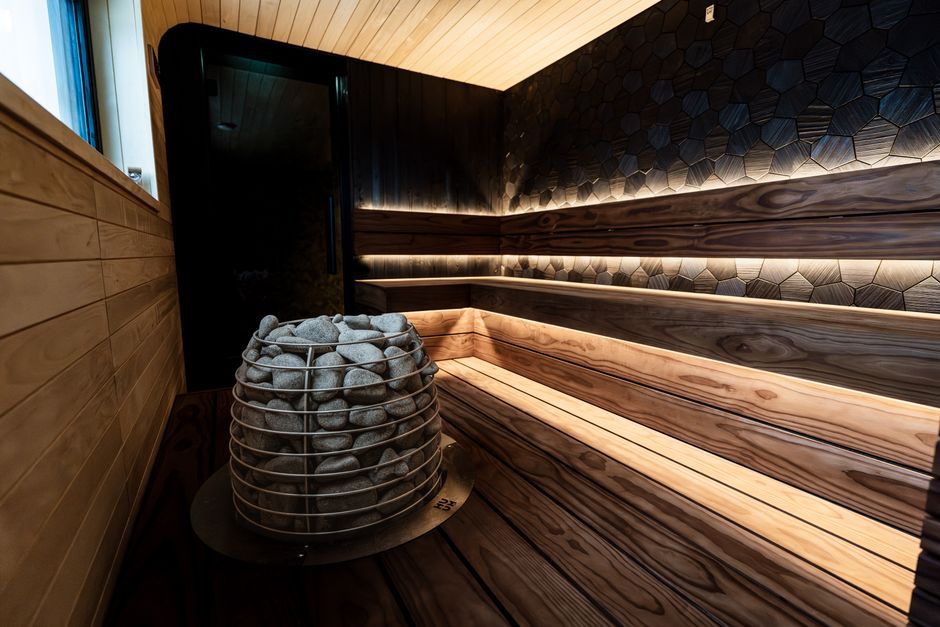
Saunas require a dedicated 240V circuit with proper sizing based on heater wattage, typically 40-60 amps for residential units. Installation must include moisture-resistant components, GFCI protection, and comply with NEC Article 682 requirements for damp locations. (Related: Complete Guide to NFPA 70 National Electrical Code (NEC): Key Requirements, Updates, and Practical Applications for Electricians) (Related: Transformer Sizing Guide: How to Pick the Right KVA Rating) (Related: Ohm’s Law Calculator: The Complete Guide to Electrical Calculations) (Related: Electrical power requirements and NEC compliance for data center infrastructure) (Related: Essential 2026 Guide: 5 Crawlspace Electrical Requirements You Must Know) (Related: Swimming Pool Bonding Requirements: 7 Essential Rules for 2026)
Sauna Electrical Requirements Overview
Installing a home sauna involves more than running a new circuit. Saunas operate in high-heat, high-humidity environments that demand specialized wiring methods, specific component ratings, and strict adherence to NEC sauna electrical code provisions. Getting this wrong creates fire and electrocution risks that no hot room is worth.
The National Electrical Code classifies sauna enclosures as damp or wet locations depending on construction type. That classification drives every decision you make about wire type, outlet placement, fixture ratings, and protection devices. Before purchasing a heater or pulling a permit, understand what your local authority having jurisdiction (AHJ) expects to see on the inspection.
Most residential sauna heaters range from 3kW to 9kW. A 6kW heater at 240V draws 25 amps continuously. NEC 210.19 requires conductors sized at 125% of continuous loads, so that same heater needs a circuit rated for at least 31.25 amps — meaning a 40-amp circuit minimum in most installations.
240V Circuit Specifications and Sizing
What size circuit breaker do I need for a sauna?
Sauna circuit breaker size depends directly on heater wattage. Use this straightforward formula:
- Amps = Watts ÷ Volts
- Circuit size = Calculated amps × 1.25 (continuous load factor)
Here is a quick reference for common 240 volt sauna installation scenarios:
- 3kW heater: 12.5A draw → 20-amp circuit minimum
- 4.5kW heater: 18.75A draw → 30-amp circuit minimum
- 6kW heater: 25A draw → 40-amp circuit minimum
- 9kW heater: 37.5A draw → 60-amp circuit minimum
Wire gauge must match the breaker. A 40-amp circuit requires 8 AWG copper conductors. A 60-amp circuit requires 6 AWG copper conductors. Always verify conductor ampacity against NEC Table 310.12 and apply any applicable temperature correction factors, since sauna environments elevate ambient temperatures beyond the standard 30°C baseline assumption.
The circuit must be dedicated — no other loads share it. Run a two-pole breaker in your main panel and route the circuit directly to the sauna disconnect or heater control unit. Most manufacturers specify a local disconnect within sight of the heater as well.
Can you run a sauna on a regular 120V outlet?
No. Nearly all traditional Finnish-style and infrared saunas above 1,500 watts require 240V service. A standard 120V, 15-amp or 20-amp household outlet cannot safely power a residential sauna heater. Attempting to do so will trip breakers repeatedly, damage wiring, and create a serious fire hazard. Some compact infrared units rated under 1,500W can run on 120V, but verify the heater’s nameplate specifications and manufacturer requirements before assuming this applies to your unit.
Moisture-Resistant Installation Best Practices
The moisture resistant sauna wiring requirement is not optional. Steam, condensation, and temperature swings that routinely hit 180–200°F destroy standard components. Every material inside or near the sauna enclosure must be rated for the environment it will face.
Wiring methods inside the sauna: Use Type UF (underground feeder) or wiring listed for use in wet locations. Some installations use conduit with THWN-2 wire, which is rated for 90°C in wet locations. Standard Romex (NM-B) is not approved inside sauna enclosures where it contacts damp or high-heat zones.
Outlet and switch placement: NEC Article 680 and 682 provisions restrict outlet placement near water sources. Inside a sauna room, receptacles are generally not recommended and rarely needed. Keep any required outlets outside the room or in the pre-room area, properly protected with GFCI devices.
Lighting fixtures: Only use fixtures specifically listed for sauna use or rated for wet locations at elevated temperatures. Standard recessed cans and bathroom fixtures are not acceptable. Sauna-rated fixtures handle thermal cycling without degrading insulation or cracking housings.
GFCI protection: According to OSHA’s electrical safety guidelines, ground fault protection is essential anywhere moisture and electricity coexist. Install GFCI protection at the circuit origin or use a GFCI breaker for the entire sauna circuit.
NEC Code Compliance for Saunas
NEC Article 682 covers natural and artificially made bodies of water and similar areas, but sauna installations also pull requirements from Article 680 (swimming pools, spas, hot tubs) for certain proximity rules, and Article 210 for branch circuit sizing. Your AHJ may apply additional local amendments.
Key NEC checkpoints for sauna installations:
- NEC 210.19: Conductor ampacity at 125% for continuous loads
- NEC 210.8: GFCI protection requirements for damp and wet locations
- NEC 110.14(C): Temperature ratings for terminations and conductors
- NEC 300.9: Raceways in wet locations require listed fittings
Always pull a permit. Unpermitted sauna electrical work creates liability issues during home sales and may void homeowner’s insurance coverage after a fire or injury event.
Grounding and Safety Considerations
Proper sauna grounding requirements protect against fault currents that become deadly in high-humidity environments. Every metal component — heater enclosure, conduit, junction boxes, disconnect — must connect to the equipment grounding conductor (EGC) and ultimately to your panel’s grounding system.
Use the correct EGC size per NEC Table 250.122 based on the overcurrent device protecting the circuit. For a 40-amp circuit, that means a minimum 10 AWG copper EGC. For a 60-amp circuit, use 10 AWG as well (NEC Table 250.122 permits 10 AWG up to 60-amp protection).
Bond any metal components within the sauna room. If the heater guard or bench support brackets are metal, they need bonding connections. This equipotential bonding eliminates voltage differences that can cause shock even when no direct fault exists.
Common Installation Mistakes to Avoid
- Undersizing the circuit: Installing a 30-amp circuit for a 6kW heater will cause nuisance tripping and conductor overheating over time.
- Using NM-B cable inside the enclosure: Standard Romex degrades rapidly in high-heat, high-humidity sauna environments. Use wet-rated wiring methods throughout.
- Skipping the permit: Inspections catch installation errors before they become hazards. Always permit sauna
Recommended Resources:
- Fluke Digital Multimeter — Essential tool for testing 240V circuits, voltage verification, and troubleshooting sauna electrical installations before use
- GFCI 240V Circuit Breaker — Directly addresses the NEC Article 682 requirement mentioned in the post for damp location protection in sauna installations
- Moisture-Resistant Electrical Cable (4 AWG) — Meets the post’s specification for moisture-resistant components required in sauna wiring for 40-60 amp dedicated circuits
Related: Sauna Electrical Requirements: The Complete 240V Guide for 2026
SPONSORED
Estimating Software Built for Electrical Contractors
ArcSite lets you draw site plans, create estimates, and close jobs faster — all from your phone or tablet. Used by 100,000+ field service professionals.
Try ArcSite Free →Affiliate partner — we may earn a commission at no cost to you.
Advertisement