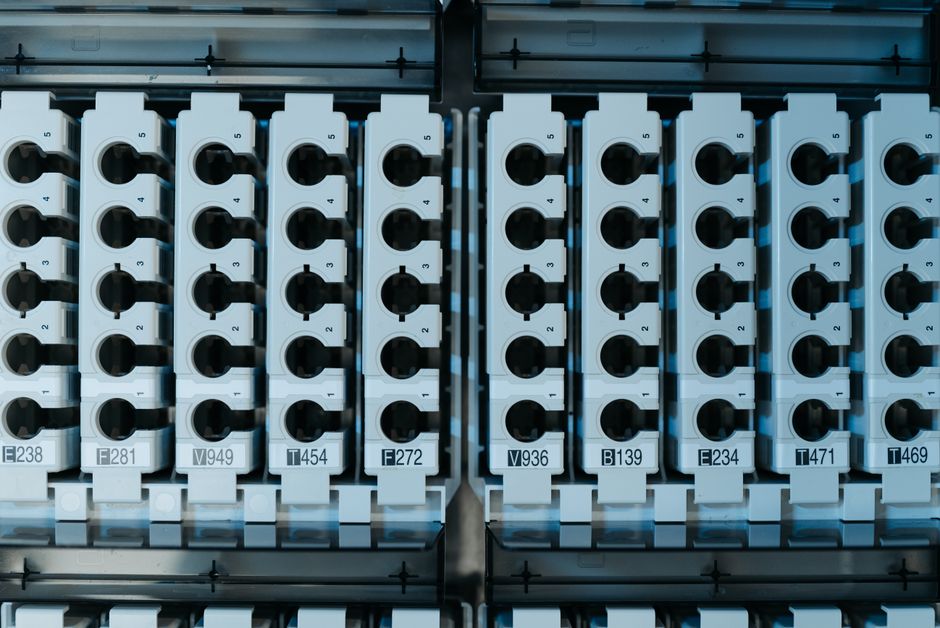
An electrical panel labeling system is a comprehensive method of identifying and documenting each circuit breaker in your home’s electrical panel. It involves creating clear, accurate labels and circuit maps showing which breaker controls which rooms, outlets, and fixtures, ensuring safety and compliance with NEC code requirements. (Related: Electrical power requirements and NEC compliance for data center infrastructure) (Related: Complete Guide to Conduit Fill Calculations: NEC Tables 2026) (Related: Sauna Electrical Requirements: Complete 240V Guide for 2026) (Related: Electrical Panel Upgrade Cost: What to Budget in 2025) (Related: Power Factor in Commercial Electrical Systems: 5 Proven Ways to Cut Costs in 2026) (Related: Complete Guide to NFPA 70 National Electrical Code (NEC): Key Requirements, Updates, and Practical Applications for Electricians)
What Is an Electrical Panel Labeling System?
Every home’s electrical panel contains multiple circuit breakers, each controlling a specific set of outlets, lights, or appliances. Without a reliable electrical panel labeling system, locating the right breaker during an emergency or renovation becomes a guessing game — and guessing with electricity is dangerous.
A proper labeling system combines two elements working together:
- Physical circuit breaker labeling — legible, durable labels applied directly to the panel door or directory card
- Electrical panel circuit map — a detailed document matching each breaker number to its controlled loads, locations, and amperage rating
Together, these tools allow homeowners, electricians, and emergency responders to quickly identify and isolate any circuit in the home. According to OSHA’s electrical safety guidelines, proper identification of electrical components is a foundational requirement for maintaining a safe working environment — whether in a commercial facility or a residential home.
NEC Code Requirements for Panel Labels
What is the NEC code requirement for electrical panel labeling?
The National Electrical Code (NEC) addresses panel labeling directly in Article 408.4, which requires that every circuit in a panelboard be legibly identified as to its clear, evident, and specific purpose. These are the core NEC panel labeling requirements every homeowner and contractor should understand:
- Each circuit must be identified — vague labels like “Bedroom” are not sufficient if multiple circuits serve that space. Specificity matters.
- Labels must be legible and durable — penciled-in labels that fade or smudge do not meet code intent. Use typed inserts or printed labels.
- The directory must be located on or inside the panel door — the circuit directory template must be accessible without tools.
- Accuracy is required — if circuits are modified, the directory must be updated to reflect changes. Outdated labels are a code violation and a safety hazard.
NEC 408.4(A) also applies to existing installations. If you purchase an older home with missing or incorrect labels, you are responsible for bringing documentation up to current standards during any permitted renovation work.
For multi-tenant buildings and commercial panels, NEC 408.4(B) extends these requirements to include the identification of each feeder circuit originating from the panel. Understanding these distinctions matters when planning any upgrade or inspection.
Step-by-Step Guide to Creating Accurate Circuit Maps
How do you create an accurate circuit map for your home?
Creating an accurate electrical panel circuit map takes time but is entirely achievable as a DIY project with the right approach. Follow these steps carefully:
- Gather your materials. You will need a notepad, a plug-in circuit tester or lamp, a helper (recommended), and a printed circuit directory template. Number your breakers if they aren’t already labeled numerically.
- Turn on all lights and plug testers into all accessible outlets. This gives you instant visual feedback when a breaker is switched off.
- Switch off one breaker at a time. Walk through every room and note which lights, outlets, and hardwired appliances lost power. Be thorough — check ceiling fans, bathroom exhaust fans, outdoor outlets, and garage circuits.
- Document each circuit immediately. Write the breaker number alongside a specific description: “Breaker 4 — Kitchen countertop outlets, north wall” is far more useful than “Kitchen.”
- Note the amperage rating. Read the number stamped on each breaker handle (typically 15A, 20A, 30A, or 50A) and record it alongside the circuit description. This supports future load calculations.
- Double-check 240V circuits. Large appliances like dryers, water heaters, and HVAC units use double-pole breakers. Confirm which appliance each double-pole breaker controls.
- Transfer your notes to a clean circuit directory template. Type or print the final version for clarity and insert it into the panel door slot.
For homes with complex wiring or multiple subpanels, repeating this process at each panel location is essential. Each panel should have its own complete directory.
Best Practices for Maintaining Panel Documentation
Creating the initial home electrical safety labeling system is only the beginning. Long-term accuracy requires ongoing maintenance:
- Update labels after any electrical work. Whenever an outlet is added, a circuit is extended, or a new appliance is hardwired, update the directory before closing the permit.
- Keep a digital backup. Photograph your completed panel directory and store the image in a home maintenance folder. This is invaluable when selling your home or filing an insurance claim.
- Use weather-resistant label materials for outdoor or garage panels. Standard paper inserts degrade quickly in humid or temperature-variable environments.
- Review labels during annual GFCI and AFCI testing. Use your scheduled breaker inspection as an opportunity to verify that all labels still match actual circuit behavior.
- Include spare breaker slots in your documentation. Note which slots are unused and which are reserved for future circuits. This prevents over-installation during future work.
According to OSHA’s electrical standards, clear identification of electrical systems directly reduces the risk of accidental energization — one of the leading causes of electrical incidents during maintenance work. Proper labeling is not just a code requirement; it is an active safety measure.
Tools and Templates for Circuit Mapping
The right tools make circuit mapping faster and more accurate:
- Circuit breaker finders — These two-part tools transmit a signal through an outlet and detect it at the correct breaker without needing a helper.
- Non-contact voltage testers — Verify that a circuit is fully de-energized before labeling or working on connections.
- Printed circuit directory templates — Many panel manufacturers provide blank directory cards. Third-party printable templates are also widely available in standard sizes for common panels.
- Label makers with heat-resistant tape — Produce clean, professional labels that remain legible for years inside a warm panel enclosure.
How to Use the Load Calculator for Panel Planning
Once your circuit map is complete, you have the data needed to evaluate your panel’s current load capacity. Use the Electrical Load Calculator at ElectricalCalcPro.com to enter your circuit amperage ratings and connected loads. The calculator helps you identify circuits that are approaching capacity, determine whether your panel supports additional circuits, and plan for upgrades like EV chargers
- Brother P-touch Label Maker — Essential tool for creating durable, professional circuit breaker labels that meet NEC code requirements and withstand electrical panel environments
- Electrical Panel Circuit Breaker Directory Labels Kit — Pre-designed labeling systems specifically made for electrical panels with organized templates that help users document and identify circuits efficiently
- Digital Multimeter and Circuit Tracer Set — Practical tool to help identify which breaker controls specific outlets and fixtures when creating an accurate circuit map for panel labeling
See also: Essential 2026 Guide: 5 Crawlspace Electrical Requirements You Must Know
See also: Swimming Pool Bonding Requirements: 7 Essential Rules for 2026
Related: 50 Amp vs 30 Amp RV Plug: The Complete 2026 Guide
Related: Interlock Switch vs Transfer Switch: The Complete 2026 Safety Guide
Related: Electrical Wiring Color Codes: The Complete US vs International Guide 2026
SPONSORED
Estimating Software Built for Electrical Contractors
ArcSite lets you draw site plans, create estimates, and close jobs faster — all from your phone or tablet. Used by 100,000+ field service professionals.
Try ArcSite Free →Affiliate partner — we may earn a commission at no cost to you.