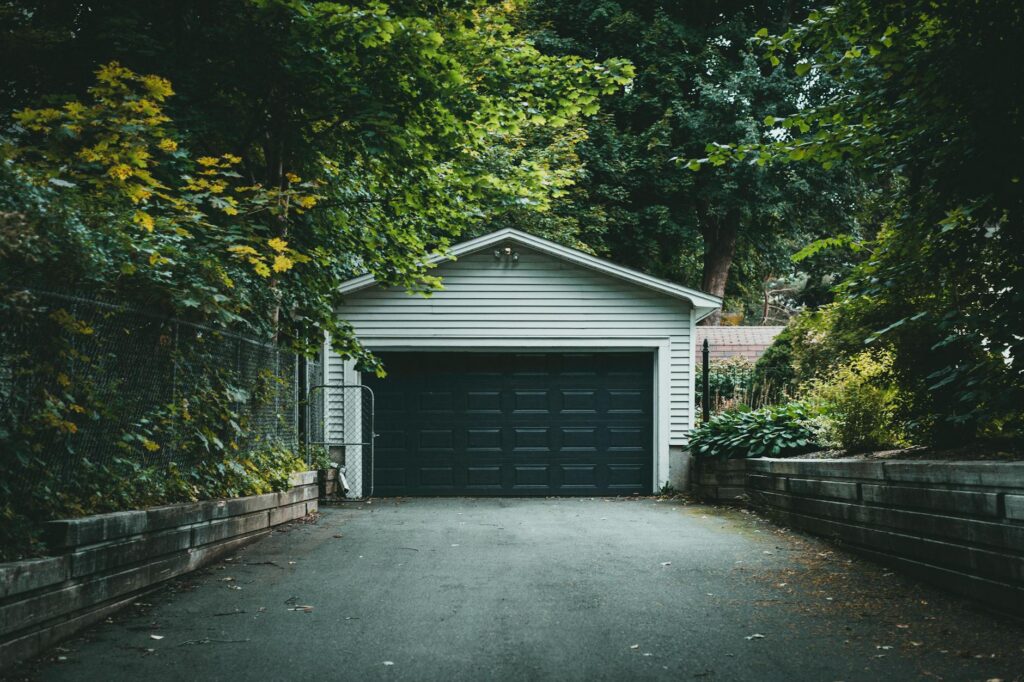
Detached Garage Electrical: Subpanel Size and Wire Run Guide
A detached garage requires a properly sized subpanel and correctly rated wire to ensure safe, code-compliant electrical service. The subpanel size depends on your total load requirements, while wire gauge and conduit type are determined by distance from the main panel and amperage. This guide walks you through the essential calculations and code requirements.
Calculating Your Detached Garage Subpanel Size
The first step is determining what amperage your subpanel should handle. This depends on what equipment and tools you plan to run simultaneously in your garage.
Start by listing all electrical loads: lighting (typically 3-5 amps), outlets (allow 1.5 amps per outlet, or 20 amps per circuit), air compressor (4-15 amps depending on size), welder (30-50+ amps), EV charger (up to 48 amps continuous), electric heater (5-20+ amps), and any other equipment.
Most residential detached garages use either a 100-amp or 200-amp subpanel. A 100-amp subpanel is adequate for basic workshops with standard tools and outlets. A 200-amp subpanel is recommended if you plan to install an EV charger, large air compressor, electric welder, or future-proof your setup. Remember that the subpanel amperage cannot exceed your home’s main service rating, and the breaker feeding it cannot exceed the wire’s capacity.
The National Electrical Code (NEC) requires that the demand calculation include all connected loads, using continuous loads multiplied by 1.25. This safety factor ensures your subpanel won’t be undersized when equipment runs continuously.
Wire Size, Gauge, and Conduit Requirements
Once you’ve determined your subpanel amperage, you need to select the correct wire size based on the distance from your main panel and the amperage being served.
Wire Gauge Selection: For a 100-amp subpanel, you’ll typically need 2/0 or 3/0 AWG copper wire (or one size larger aluminum). For a 200-amp subpanel, you’ll need 4/0 copper or larger. These recommendations assume copper wire, which has better conductivity than aluminum and is preferred for most installations. The voltage drop must not exceed 3% for branch circuits or 5% for the feeder—use the voltage drop formula (distance × load × 2 ÷ conductor area) to verify your wire size is adequate.
Distance Considerations: If your garage is very close to the main panel (under 50 feet), standard wire gauges work fine. For distances over 100 feet, you may need to upsize the wire by one or two gauges to limit voltage drop, especially if you’re running high-amperage equipment like welders or EV chargers.
Conduit and Installation: All wire must be protected in conduit—either rigid metal conduit (RMC), intermediate metal conduit (IMC), PVC, or Schedule 80 PVC depending on underground vs. aboveground installation. If running underground, use Schedule 80 PVC or RMC. Aboveground runs can use RMC or IMC. Bury underground conduit at least 18 inches deep in residential areas (check local codes). Maintain proper bends and support intervals according to NEC Article 300.
Subpanel Grounding and Bonding
Proper grounding is critical for safety. A detached garage subpanel requires its own grounding electrode system separate from the main house panel. Install a ground rod (or two rods spaced 6 feet apart) at the garage location and run a copper grounding conductor back to the subpanel. The grounding electrode conductor size depends on the largest ungrounded conductor in the feeder—typically 6 AWG copper for a 100-amp subpanel and 4 AWG for a 200-amp subpanel.
Bond the equipment grounding conductor (green wire) to the grounding electrode at the subpanel. However, do NOT bond neutral to ground at the subpanel—that bond exists only at the main service. Run a separate neutral (white) and equipment ground (green or bare) wire back to the main panel. This separation prevents dangerous ground loops and ensures proper fault detection.
All metal conduit, cable trays, and equipment enclosures must be bonded together and to the grounding system. Use bonding jumpers rated for the overcurrent protection of that circuit. This creates a low-impedance path for fault current, allowing breakers to trip quickly and safely.
How to Use Our Subpanel Calculator
Making these calculations manually is error-prone. Our subpanel size and wire gauge calculator handles the math instantly. Simply enter your desired subpanel amperage, the distance from your main panel, your wire type (copper or aluminum), and the calculator provides the correct wire gauge, voltage drop, and conduit size recommendations. This tool ensures you’re code-compliant and your system is safe before you start digging trenches or running conduit.
FAQ
Can I run a regular extension cord to my detached garage instead of installing a subpanel?
No. The NEC prohibits using extension cords as permanent wiring. Extension cords are only for temporary use and pose serious fire and shock hazards if installed permanently. You must install a proper feeder with appropriate wire in conduit, whether that feeds a subpanel, disconnect, or direct branch circuits. Temporary setups can result in code violations, insurance denial during a claim, and fines.
What size breaker should feed my subpanel?
The main breaker feeding your subpanel must match the subpanel’s rated amperage (usually 100 or 200 amps) and must not exceed the wire capacity of your feeder. If your feeder wire is rated for 100 amps, your breaker is 100 amps maximum. The breaker size protects the wire; it should always be rated for the conductor, not the device being powered.
Do I need a permit and inspection for a detached garage subpanel?
Yes, absolutely. Electrical permits exist to protect your safety and property. The inspector ensures your subpanel is properly grounded, bonded, sized, and installed to code. Unpermitted work voids your insurance, creates liability if someone is injured, complicates future home sales, and can result in fines. Always pull permits and have inspections done.
- Square D Homeline 100 Amp Subpanel Kit — Directly addresses the subpanel sizing and selection discussed in the guide; essential component for detached garage electrical installation
- Southwire Underground Aluminum SER Cable — Covers the wire run requirements mentioned in the post; appropriate for routing power from house to detached garage with proper gauge options
- PVC/Conduit Installation Kit with Fittings — Protects wire runs in detached garage installations; essential for code-compliant underground or above-ground cable protection discussed in the guide
Related: How to Size Wire for a Subpanel: Distance and Load Guide
SPONSORED
Estimating Software Built for Electrical Contractors
ArcSite lets you draw site plans, create estimates, and close jobs faster — all from your phone or tablet. Used by 100,000+ field service professionals.
Try ArcSite Free →Affiliate partner — we may earn a commission at no cost to you.