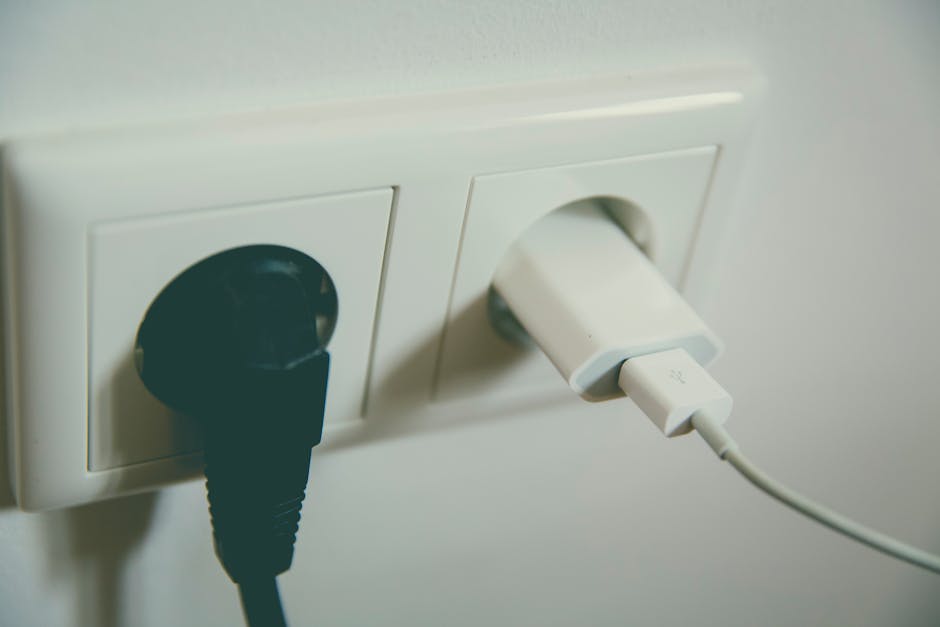
Electrical outlet heights are governed by the National Electrical Code (NEC) and vary depending on location and purpose. Kitchen countertops require outlets within 24 inches of the countertop edge, bathrooms need outlets within 36 inches of sink edges, and standard wall outlets must be mounted between 12 and 18 inches from the floor. Understanding these requirements ensures code compliance, safety, and proper electrical distribution throughout your home.
Kitchen Countertop Outlet Requirements
Kitchen countertops present unique outlet challenges because appliances, small tools, and cooking equipment demand frequent power access. The NEC requires that no point on a countertop surface be more than 24 inches (measured horizontally along the countertop) from an outlet or plug-in location.
This means if your countertop runs 10 feet, you cannot simply place one outlet at each end. You must install outlets frequently enough that no gap exceeds 24 inches. For a typical 10-foot countertop, you’ll need at least 4-5 outlets to maintain compliance.
Kitchen-specific guidelines:
- Outlets above countertops should be mounted 12-18 inches from the countertop surface
- Island countertops require at least two outlets within the countertop itself or mounted on the island perimeter
- Outlets must be on dedicated 20-amp circuits (per NEC Article 210.52)
- GFCI protection is required for all countertop outlets within 6 feet of the sink
- Never install outlets within 6 inches horizontally from the sink rim
Many homeowners underestimate how many outlets they actually need. Modern kitchens include coffee makers, toasters, blenders, instant pots, phone chargers, and tablet stands—all competing for power. Planning outlet placement during renovation prevents dangerous extension cord use and reduces fire risk.
Bathroom Outlet Height & Proximity Rules
Bathrooms require special attention because moisture and water create electrical hazards. The NEC mandates that at least one outlet must be installed within 36 inches of the outside edge of each sink basin. This ensures you can safely power small appliances like hair dryers, electric toothbrushes, and shavers without running cords across wet surfaces.
Bathroom outlet requirements:
- Minimum one outlet within 36 inches of sink—measured horizontally along the countertop or wall surface
- Outlets must be mounted 12-18 inches above the countertop surface
- All bathroom outlets require GFCI protection (NEC 210.8(A))
- Outlets cannot be installed in or above bathtub or shower enclosures
- Install outlets at least 12 inches away from bathtub/shower edges
- Bathroom circuits must be 20-amp dedicated circuits (cannot share with other rooms)
GFCI outlets detect ground faults and shut off power within milliseconds, preventing electrocution. Even if you don’t install GFCI outlets, your bathroom circuit breaker must be GFCI-protected. Most modern homes use individual GFCI outlets for easier troubleshooting—if one trips, you know exactly which outlet caused the problem.
Many homeowners install outlets above the toilet tank or on walls far from the sink, thinking they meet code. They don’t. The 36-inch rule specifically addresses the sink, because that’s where water contact most commonly occurs. Plan your bathroom renovation with sink outlets as the priority.
Standard Wall Outlet Height Guidelines
Outside kitchens and bathrooms, standard outlet heights follow simpler rules. Residential outlets are typically mounted 12-18 inches from the finished floor to the center of the outlet box. This range accommodates both comfort and accessibility while maintaining consistent appearance throughout your home.
Standard outlet installation rules:
- Height: 12-18 inches from floor to outlet center (most common: 15 inches)
- Living rooms and bedrooms require outlets spaced so no wall is more than 6 feet from an outlet
- Hallways require at least one outlet (or outlets spaced per local code)
- Outlets should be placed on the wall where furniture typically sits
- Corner outlets count toward both walls they serve
The 6-foot spacing rule (measured along the floor line) prevents excessive extension cord use. If your living room is 15 feet wide, you need at least 3 outlets on that wall. This might seem like many outlets, but it eliminates trip hazards and reduces fire risk from daisy-chained power strips.
Consider future needs during installation. Bedrooms might need additional outlets for nightstands, televisions, or computer equipment. Home offices benefit from extra outlets to power computers, printers, and charging stations. Adding outlets during initial construction costs far less than retrofitting walls later.
How to Use the Outlet Spacing Calculator
Planning outlet placement requires accurate measurements and careful calculation, especially for kitchens where the 24-inch rule demands precision. Our outlet spacing calculator helps you determine exactly how many outlets you need and their optimal placement for any room or countertop configuration.
Simply input your countertop or wall length, select the location type (kitchen, bathroom, or standard), and the calculator shows you required outlet locations that maintain code compliance. This prevents expensive corrections during inspection and ensures your electrical plan is safe and functional before the electrician arrives.
Frequently Asked Questions
Can I install outlets higher than 18 inches above the countertop?
Yes, but it’s not recommended. While the NEC doesn’t prohibit higher installation, placing outlets above 18 inches makes them less accessible and defeats the purpose of having convenient counter-height power. Some builders install outlets 24 inches high to avoid splashing from sink cleanup, but this creates inconvenience and encourages cord-stretching. Standard 12-18 inch height is best practice.
Do island outlets need to be in the countertop surface itself?
Island outlets can be mounted on the countertop surface (via pop-up outlets or countertop boxes) or on the island’s perimeter walls, as long as they meet the 24-inch spacing requirement. Surface-mounted or countertop outlets are increasingly popular for islands because they’re more convenient and prevent cords from dangling. However, they require careful waterproofing and must meet NEC specifications for exposed locations.
What if my bathroom has two sinks?
Install at least one GFCI outlet within 36 inches of each sink. For a double vanity, this typically means two outlets—one for each sink area. Both outlets must remain on the same 20-amp dedicated bathroom circuit and must have GFCI protection. Never mix bathroom circuit power with kitchen or other room circuits.
Summary: Kitchen and bathroom outlets demand more frequent installation than standard rooms because building code prioritizes safety and convenience where electrical hazards increase. Kitchens need outlets every 24 inches along countertops, bathrooms require outlets within 36 inches of sinks, and standard rooms follow the 6-foot spacing rule. Always verify local code amendments—some jurisdictions have stricter requirements. When planning renovations, over-estimate your outlet needs rather than under-estimate. Adding extra outlets during construction prevents dangerous extension cord habits and future remodeling headaches.
- Digital Multimeter & Electrical Tester Kit — Essential tool for verifying outlet installation heights and electrical compliance when installing or inspecting outlets according to NEC code requirements
- Stud Finder & Layout Tool Set — Helps accurately locate wall studs and mark precise outlet heights (12-18 inches standard, 24 inches for kitchen countertops) during installation projects
- GFCI Outlet & Tamper-Resistant Outlet Kit — Required components for code-compliant bathroom and kitchen outlet installations that meet NEC safety standards for wet locations
Related: Complete Guide to Outlet Height Requirements in 2026: Kitchen, Bathroom & Standard Areas
SPONSORED
Estimating Software Built for Electrical Contractors
ArcSite lets you draw site plans, create estimates, and close jobs faster — all from your phone or tablet. Used by 100,000+ field service professionals.
Try ArcSite Free →Affiliate partner — we may earn a commission at no cost to you.