Whether you’re a licensed electrician, a DIY enthusiast, or a homeowner tackling a new circuit installation, selecting the right wire gauge is one of the most critical decisions in any electrical project. Using a wire gauge calculator eliminates guesswork and ensures your wiring meets code requirements, protects against voltage drop, and prevents dangerous overheating. With search interest in wire gauge calculators surging 155% this week alone, it’s clear that more people than ever are recognizing the importance of accurate wire sizing. (Related: Wind turbine electrical systems: NEC code requirements and calculations for wind energy installations) (Related: EV Charger Installation Cost: Full Breakdown for 2025) (Related: Complete LED vs Incandescent Watt Guide for Circuit Planning 2026) (Related: Complete Guide to Arc Fault Circuit Interrupter Breakers in 2026) (Related: Electrical Panel Upgrade Cost: What to Budget in 2025) (Related: Power Factor in Commercial Electrical Systems: 5 Proven Ways to Cut Costs in 2026)
In this comprehensive guide, we’ll walk you through everything you need to know about wire gauges, why calculators matter, and how to use them effectively for your next electrical project.
What Is a Wire Gauge Calculator?
A wire gauge calculator is a digital tool that determines the appropriate wire size for your electrical application based on several key factors. Unlike manual lookup tables that require cross-referencing multiple columns, a calculator automates the process and delivers instant results. These tools account for amperage requirements, circuit length, allowable voltage drop, wire material, and installation environment to recommend the correct gauge in AWG (American Wire Gauge) format.
Most modern wire gauge calculators accept input such as the total current draw in amps, the distance from the power source to the load, and your acceptable voltage drop percentage. The calculator then references the National Electrical Code (NEC) standards and material conductivity tables to suggest whether you need 14 AWG, 12 AWG, 10 AWG, or larger gauges. For example, a 20-amp circuit running 50 feet might require 10 AWG copper wire, whereas the same amperage over just 15 feet could safely use 12 AWG.
Why Wire Gauge Matters: Safety and Code Compliance
Selecting the wrong wire gauge creates serious safety hazards. Undersized wires generate excessive heat due to increased resistance, which can cause insulation damage, short circuits, and potentially deadly electrical fires. The National Electrical Code enforces minimum wire sizes based on amperage: a 20-amp breaker cannot legally be protected by 14 AWG wire, which is rated for only 15 amps. A wire gauge calculator ensures you comply with these mandatory standards.
Voltage drop is another critical concern that many DIYers overlook. When current travels long distances through wire, resistance causes a voltage reduction at the load. The NEC recommends limiting voltage drop to 3% on branch circuits and 5% on combined feeder and branch circuits. A 240-volt circuit can tolerate about 7.2 volts of drop, while a 120-volt circuit should lose no more than 3.6 volts. Undersized wire amplifies this loss, reducing the efficiency of motors, dimming lights, and potentially preventing equipment from operating correctly. A reliable wire gauge calculator accounts for all these factors automatically.
Key Factors the Calculator Evaluates
Professional wire gauge calculators examine multiple variables to deliver accurate recommendations. Amperage rating is the foundation, representing the maximum current your circuit will safely carry. A standard residential outlet handles 15 amps, while dedicated circuits for large appliances might require 30, 40, or 50 amps.
Circuit length—measured in one-way distance from breaker to load—dramatically impacts wire gauge selection. A 15-amp circuit can span approximately 50 feet with 14 AWG copper wire if voltage drop is acceptable, but extending that same circuit 100 feet would require bumping up to 12 AWG. For 240-volt applications and longer runs, engineers frequently specify 8 AWG, 6 AWG, or even 2 AWG copper conductors.
Voltage system type matters too. Single-phase 120/240-volt residential systems follow different calculations than three-phase industrial systems. Wire material also affects results: copper conducts electricity better than aluminum, so an equivalent aluminum wire must be one or two gauges larger than copper for the same amperage. Environmental factors like conduit fill percentage, ambient temperature, and insulation type influence the final recommendation as well.
Common Wire Gauge Scenarios and Typical Costs
Understanding typical wire gauge selections helps homeowners budget appropriately. Standard 14 AWG romex (Nm cable) costs roughly $0.12 to $0.18 per foot, making a 100-foot run approximately $12 to $18 in material. For the same distance, 12 AWG romex runs $0.16 to $0.25 per foot, totaling $16 to $25. Larger gauges like 10 AWG climb to $0.35 to $0.50 per foot, or $35 to $50 per hundred feet.
For a kitchen circuit requiring a dedicated 20-amp line across 30 feet, you’d likely use 12 AWG romex, costing around $5 to $8 in materials. A subpanel fed by 100 feet of 2 AWG copper wire could exceed $200 in wire alone. These costs underscore why accurate calculation from the start prevents expensive rework later if undersized wire fails inspection or causes voltage drop problems.
How to Use a Wire Gauge Calculator Effectively
Begin by determining your exact amperage requirement. Check the equipment nameplate or add up all individual loads on the circuit. For a new 20-amp kitchen counter circuit, that’s straightforward; for a subpanel serving an entire addition, you might sum 200 amps of demand. Next, measure the physical distance from your breaker panel to the farthest outlet or device.
Input these values into the calculator along with your voltage (typically 120V or 240V for residential), acceptable voltage drop percentage (3% is standard), and wire material preference (copper is most common). The tool processes this data against NEC tables and instantly displays the recommended gauge. Many calculators also show alternate options, allowing you to compare cost versus safety margins.
Always verify the recommendation against your local electrical code, as some jurisdictions impose stricter requirements than the NEC baseline. Once you’ve confirmed the gauge with your inspector or electrician, purchase materials accordingly and proceed with installation confidence. Try our free electrical calculator to see how it streamlines this entire process.
Frequently Asked Questions
What wire gauge do I need for a 30-amp circuit?
A 30-amp circuit requires a minimum of 10 AWG copper wire for short runs under 50 feet. If your circuit extends 100 feet or more, you should upgrade to 8 AWG to limit voltage drop. Always verify with your local electrical inspector, as some jurisdictions mandate even larger gauges for specific applications.
Can I use aluminum wire instead of copper?
Aluminum is cheaper and lighter but conducts less efficiently than copper. For the same amperage, aluminum wire must be one or two gauges larger than copper equivalents. Many modern codes restrict aluminum in residential applications under 100 amps due to corrosion and connection reliability concerns, though commercial installations commonly use it.
How does voltage drop affect my electrical system?
Excessive voltage drop weakens appliance performance, dims lights, and reduces motor efficiency by up to 10 percent. The NEC limits voltage drop to 3% on branch circuits and 5% overall, which translates to about 3.6 volts on a 120-volt circuit and 7.2 volts on a 240-volt circuit. Undersized wire amplifies this problem, particularly on longer runs.
What’s the difference between AWG and MCM wire sizes?
AWG (American Wire Gauge) measures conductors from 14 to 0000 (read as four-aught) in decreasing order. Beyond 0000, wire is sized in MCM or kcmil (thousand circular mils), used exclusively for large industrial applications and utility distribution. Residential projects rarely exceed 2 AWG, while commercial buildings might use 300 MCM or larger for main feeders.
How do I choose between 12 AWG and 14 AWG for outlets?
The choice depends on circuit amperage and length. A 15-amp circuit can legally use 14 AWG, but many electricians recommend 12 AWG for durability and future load expansion. If the run exceeds 50 feet or the circuit approaches 15 amps continuously, upgrade to 12 AWG regardless of code minimum. A wire gauge calculator helps quantify the voltage drop difference between both options.
Use Our Free Electrical Calculator
The surge in wire gauge calculator searches reflects growing awareness that proper electrical design protects both safety and investment. At electricalcalcpro.com, our free wire gauge calculator delivers precise recommendations in seconds. Input your amperage, distance, and voltage, and instantly receive the correct wire gauge, expected voltage drop percentage, and a cost comparison between material options. You’ll know exactly what gauge to buy, how much voltage loss to expect, and whether upgrading one size offers better long-term value.
Given this week’s 155% spike in wire gauge calculator interest, now is the perfect time to leverage professional tools before starting your next project. Head to electricalcalcpro.com and run your calculations today.
Conclusion
Selecting the correct wire gauge is non-negotiable for any electrical installation. Whether you’re adding a dedicated circuit, installing a subpanel, or upgrading an outdated service, a wire gauge calculator removes uncertainty and ensures code compliance. By accounting for amperage, distance, voltage drop, and material properties, these tools deliver confidence that your wiring is safe, efficient, and built to last.
Stop relying on old lookup tables or guesswork. Visit electricalcalcpro.com today and discover how our free calculator simplifies wire sizing while helping you make cost-effective material decisions. Your next electrical project deserves precision from the planning stage forward.
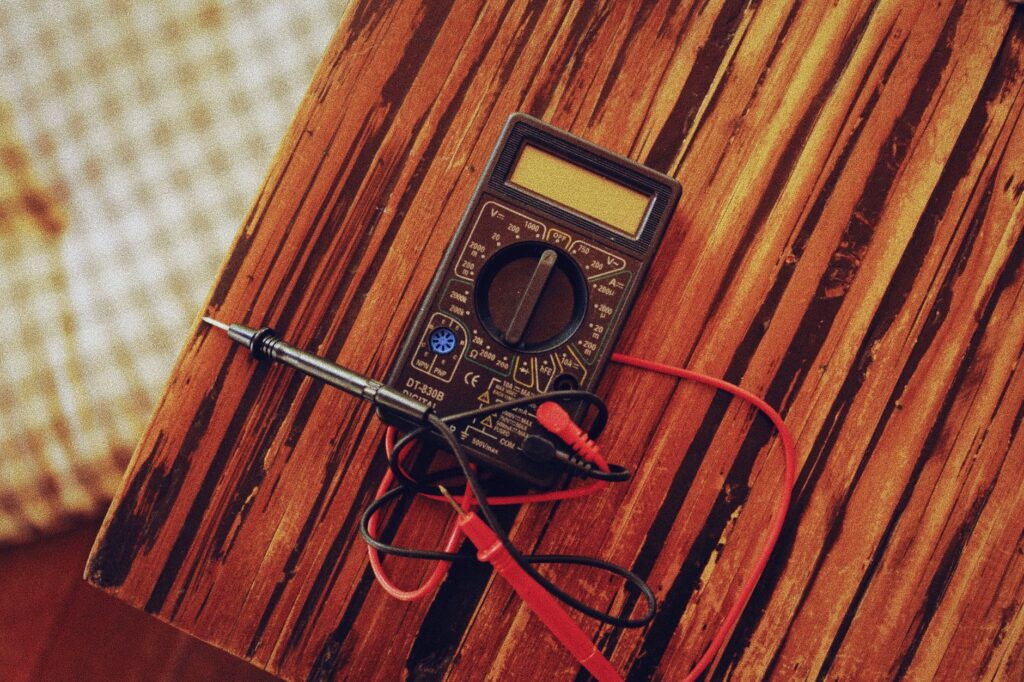
- Digital Multimeter with Wire Gauge Testing — Essential tool for electricians and DIY enthusiasts to verify wire specifications and test electrical circuits during installation projects
- Wire Stripping and Crimping Tool Set — Complements wire gauge selection by providing the proper tools needed to correctly prepare and install appropriately sized wires
- Electrical Code Reference Guide (NEC Handbook) — Helps users understand code requirements and regulations for wire gauge sizing mentioned in the post
See also: Ohm's Law Calculator: Complete Guide to Understanding Voltage, Current, and Resistance
See also: Voltage Drop Calculator: The Complete Guide to Sizing Wiring Correctly
SPONSORED
Estimating Software Built for Electrical Contractors
ArcSite lets you draw site plans, create estimates, and close jobs faster — all from your phone or tablet. Used by 100,000+ field service professionals.
Try ArcSite Free →Affiliate partner — we may earn a commission at no cost to you.