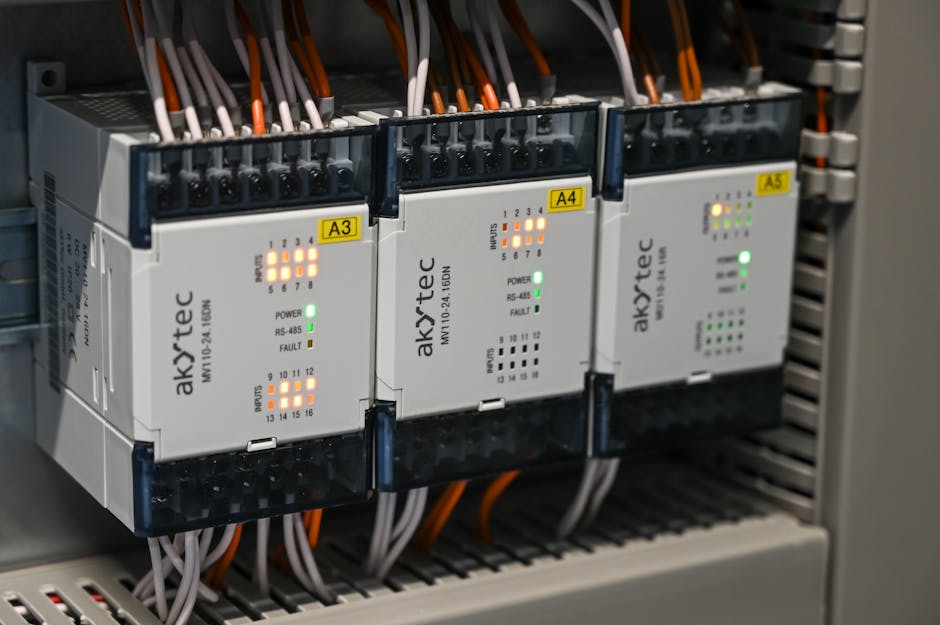
Arc Fault Circuit Interrupter (AFCI) breakers are specialized electrical safety devices designed to protect bedrooms, living rooms, and other residential spaces from dangerous arc faults that standard circuit breakers cannot detect. These breakers monitor electrical circuits for unintended arcs and shut off power in milliseconds, significantly reducing fire risk in your home. Installing AFCI protection in all bedrooms and living spaces is now a National Electrical Code (NEC) requirement and represents one of the most important upgrades you can make to your home’s electrical safety.
Understanding Arc Faults and Why AFCI Protection Matters
An arc fault occurs when electrical current jumps across a gap in a circuit, creating a high-temperature spark. Unlike overloads or short circuits, arc faults don’t necessarily trip conventional circuit breakers because the current may not exceed the breaker’s threshold.
How Arc Faults Start
Arc faults commonly develop from damaged appliance cords, nails or screws driven through electrical wires hidden behind walls, or deterioration of wire insulation over time. Once an arc begins, it heats surrounding materials to temperatures exceeding 1000 degrees Fahrenheit—hot enough to ignite wood, drywall, and insulation within seconds. According to the U.S. Consumer Product Safety Commission, arc faults are responsible for thousands of residential fires annually, many of them fatal.
Why Standard Breakers Fall Short
Standard circuit breakers are designed to trip when current exceeds a set amperage limit (typically 15 or 20 amps). Arc faults often draw current below these thresholds, allowing the dangerous arc to continue undetected. AFCI breakers use sophisticated electronic monitoring to recognize the unique electrical signature of an arc fault—including high-frequency current disruptions—and shut off power before a fire can ignite.
NEC Requirements and Residential Code Compliance
The National Electrical Code has steadily expanded AFCI protection requirements to cover all areas where people sleep and spend significant time. Understanding these requirements ensures your home meets current safety standards and can help you prioritize installation if you’re retrofitting an older home.
Current NEC Requirements (2023)
As of the latest code cycle, AFCI protection is now required for all 120-volt, single-phase, 15- and 20-ampere branch circuits in:
- All bedrooms (both new construction and renovations)
- Living rooms and family rooms
- Dining rooms
- Recreation rooms
- Sunrooms and similar spaces
- Closets (in many jurisdictions)
Additionally, all outlets within 6 feet of a sink must have AFCI protection, and any wall or floor space 2 feet or wider in these habitable rooms requires protected outlets.
Retrofit Considerations
While older homes aren’t required by law to be retrofitted, adding AFCI protection during any electrical renovation or when replacing a breaker panel is a smart safety investment. If your home was built before 1999, consider having a licensed electrician evaluate your circuits for AFCI compatibility and protection needs.
Choosing and Installing AFCI Breakers
AFCI protection can be achieved in two ways: with AFCI breakers installed at the panel, or with AFCI receptacles (outlets) installed at the point of use. Each approach has distinct advantages and trade-offs.
Breaker-Level AFCI Protection
An AFCI breaker is installed directly in your electrical panel and protects the entire circuit downstream. Advantages include protecting hardwired appliances, ceiling fixtures, and all outlets on that circuit with a single device. The downside is that a tripped AFCI breaker removes power from the entire circuit, affecting multiple outlets. These typically cost $25–$75 per breaker, depending on amperage rating.
Outlet-Level AFCI Protection
An AFCI receptacle is installed at a specific outlet and protects only that outlet and any outlets wired downstream from it. These are ideal for retrofit applications where panel access is difficult. They’re particularly useful for protecting critical areas while avoiding nuisance trips on longer circuits. AFCI outlets typically cost $15–$40 each but require more units to achieve full circuit protection.
Combination Approach
Many electricians recommend using AFCI breakers as your primary defense, then adding AFCI receptacles selectively where code compliance gaps exist or where maximum protection is desired. This hybrid approach balances cost, convenience, and comprehensive coverage.
Installation Best Practices
AFCI breakers require a neutral connection to your panel’s neutral bus bar and must be properly calibrated to your home’s electrical characteristics. Improper installation can cause nuisance tripping or failure to detect genuine arc faults. Always hire a licensed electrician to install AFCI protection, especially at the breaker panel level. Never attempt panel work yourself.
How to Use Our Circuit Protection Calculator
Determining which circuits in your home need AFCI protection can be complex, especially in larger homes with multiple circuits serving bedrooms and living spaces. Our circuit breaker and protection calculator helps you map your circuits, identify AFCI-protected and unprotected areas, and plan a protection upgrade strategy tailored to your home’s layout and code requirements.
Troubleshooting Nuisance AFCI Tripping
One common complaint about AFCI breakers is nuisance tripping—the breaker shuts off power when no actual arc fault exists. This usually happens when older appliances with aging insulation or certain types of equipment are connected to sensitive AFCI circuits.
Common Causes and Solutions
- Older appliances: Some devices manufactured before AFCI standards became widespread generate false signals. Consider replacing aging equipment or using a dedicated non-protected circuit if code allows.
- Fluorescent lighting: Certain ballasts can trigger nuisance trips. LED conversions often solve this problem.
- Long circuit runs: Circuits extending more than 50 feet may be more prone to nuisance tripping. Adding an AFCI receptacle partway through the circuit can reduce sensitivity in the far portion.
- Water damage or high humidity: Moisture in switch boxes or outlets can cause intermittent tripping. Address the moisture source first.
- Defective AFCI devices: If tripping persists after troubleshooting, the AFCI breaker or receptacle may be faulty and should be replaced.
FAQ: Arc Fault Circuit Interrupters
Do I need AFCI protection in a kitchen?
Kitchens require GFCI (Ground Fault Circuit Interrupter) protection rather than AFCI protection, typically within 6 feet of sinks and wet areas. However, if your kitchen has circuits serving non-wet areas like an island or dining nook, those may need AFCI protection depending on their primary use and your local code. Consult your electrician about your specific layout.
Can AFCI breakers be used on 240-volt circuits?
Standard AFCI breakers are rated for 120-volt, single-phase circuits only. While research into dual-voltage AFCI technology continues, residential applications almost always use 120-volt AFCI protection. Check your breaker’s label to confirm its rating.
Related: AFCI breakers bedroom protection
Related: amps to kW converter
How often should AFCI breakers be tested?
Most manufacturers recommend testing AFCI breakers monthly by pressing the test button to
- Eaton AFCI Breaker 20A — Direct product match for homeowners needing to install AFCI protection in bedrooms and living spaces
- Digital Multimeter with Arc Detection — Essential testing tool for electricians and DIY users to verify AFCI breaker functionality and troubleshoot circuits
- Square D AFCI Outlet (Tamper-Resistant) — Alternative AFCI protection solution for specific outlets in bedrooms and living areas where breaker installation isn’t feasible
SPONSORED
Estimating Software Built for Electrical Contractors
ArcSite lets you draw site plans, create estimates, and close jobs faster — all from your phone or tablet. Used by 100,000+ field service professionals.
Try ArcSite Free →Affiliate partner — we may earn a commission at no cost to you.