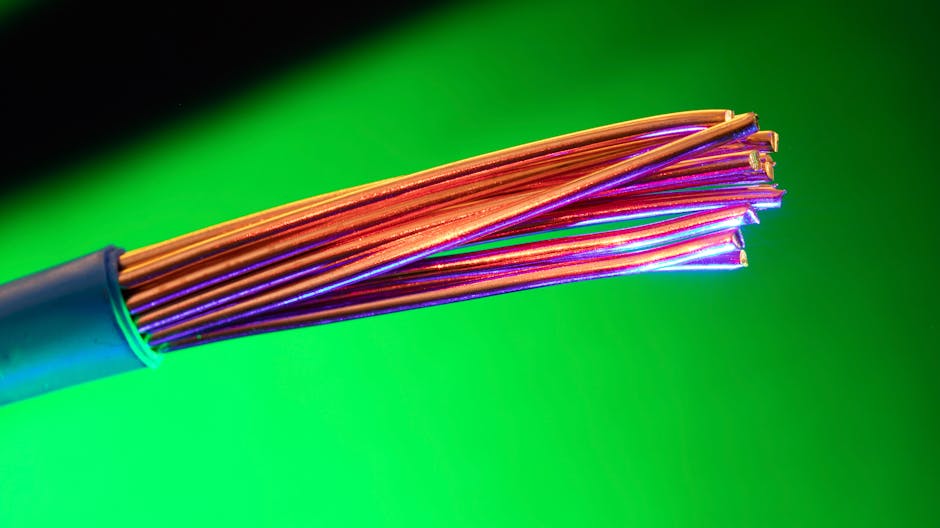
US electrical wiring uses black for hot, white for neutral, and green or bare copper for ground wires. International standards vary by country; most use brown for hot, blue for neutral, and green-yellow for ground, following IEC 60446 guidelines. Misreading these colors during installation or repair can create serious shock and fire hazards. (Related: Commercial electrical service requirements and NEC code compliance for business installations in Pacific Northwest) (Related: Complete Guide to Three-Phase Power Residential Installation in 2026) (Related: Whole Home Generator Sizing Calculator: Complete Load Analysis Guide for 2026) (Related: How Revit 2026 Conductor Tools Integrate with NEC Code Compliance and Electrical Design Calculations) (Related: Amperage Calculator: Size Wire & Breakers the Right Way) (Related: Complete Electrical Panel Labeling System Guide for 2026)
US Electrical Wiring Color Code Standards
What do electrical wire colors mean in the United States?
In the United States, electrical wire colors carry specific meanings defined by the National Electrical Code (NEC). Each color tells you the wire’s function in the circuit — and confusing them is one of the most common causes of wiring errors and electrical fires.
Here is the standard breakdown for US electrical wire color standards in single-phase residential systems:
- Black: Hot wire (ungrounded conductor) — carries current from the panel to the load
- Red: Second hot wire — commonly used in 240V circuits or 3-way switch wiring
- White: Neutral wire (grounded conductor) — returns current to the panel
- Green or bare copper: Equipment grounding conductor — provides a safe fault path to ground
- Blue and yellow: Additional hot conductors used in 3-phase commercial wiring
One important nuance: a white wire used as a hot conductor in a cable assembly must be re-identified with black tape or a black marker at both ends. This is a common NEC requirement that many homeowners overlook during switch loop wiring.
For three-phase systems, the NEC uses a different scheme. Phase A is black, Phase B is red, Phase C is blue, with white neutral and green ground. High-leg delta systems add an orange conductor for the high-voltage leg — something worth knowing if you work in older commercial buildings.
If you are calculating the load across phases or sizing conductors for a multi-wire branch circuit, use our wire size calculator to match conductor gauge to your ampacity requirements.
International Electrical Wiring Color Codes
Why are electrical wire colors different in different countries?
Electrical wiring color codes evolved independently in different countries over decades before international standardization efforts began. Today, most of the world follows IEC 60446, the international standard for electrical cable color meanings published by the International Electrotechnical Commission.
The IEC standard specifies:
- Brown: Line (hot) conductor — Phase 1
- Black: Line conductor — Phase 2 (three-phase systems)
- Grey: Line conductor — Phase 3 (three-phase systems)
- Blue: Neutral conductor
- Green-yellow striped: Protective earth (ground)
Countries using this system include the United Kingdom (since 2004), Australia, most of the European Union, and many parts of Asia and South America. The UK underwent a significant transition from its older system — where red was live and black was neutral — to align with IEC 60446. This means older UK properties may still have legacy wiring that uses the previous color scheme.
Canada follows a system very close to the US NEC standard, which makes sense given the shared electrical infrastructure and cross-border code influence. However, Canadian Electrical Code (CEC) requirements have subtle differences that matter for licensed contractors working across the border.
According to OSHA’s electrical safety guidelines, workers must be trained to identify conductor polarity and function before working on any circuit, regardless of the color system in use. This is especially critical in facilities that import equipment or machinery wired to international standards.
Key Differences: US vs International Standards
The most dangerous confusion happens when US-trained electricians work on internationally wired equipment — or vice versa. Here is a direct comparison of NEC wire color requirements versus IEC 60446:
| Function | US / NEC Standard | IEC 60446 (International) |
|---|---|---|
| Hot / Line (Phase 1) | Black | Brown |
| Hot / Line (Phase 2) | Red | Black |
| Hot / Line (Phase 3) | Blue | Grey |
| Neutral | White or Grey | Blue |
| Ground / Earth | Green or Bare Copper | Green-Yellow Stripe |
Notice that black means hot in the US but neutral in legacy UK wiring — and Phase 2 in current IEC systems. Blue means neutral in IEC countries but is used as a hot conductor in US three-phase systems. These overlaps are where mistakes get made.
NEC Requirements and Compliance
The NEC does not mandate specific colors for ungrounded (hot) conductors in most cases — it primarily requires that neutral conductors be white or grey, and that grounding conductors be green, green-yellow, or bare. This gives installers some flexibility on hot wire color selection, but following convention is strongly recommended for safety and inspection compliance.
Key NEC compliance points include:
- White or grey insulation is reserved exclusively for neutral (grounded) conductors
- Green insulation is reserved exclusively for grounding conductors
- A re-identified white wire used as a hot must be permanently marked at both termination points
- High-leg delta systems must use orange for the high-leg conductor per NEC 230.56
For load calculations that tie directly into conductor sizing and code compliance, the electrical load calculator on this site helps you confirm whether your panel and wiring can handle your circuit demands before you start the work.
Common Mistakes and Safety Considerations
Working with misidentified or non-standard wiring is one of the leading causes of electrical injuries in both residential and commercial settings. These are the most common wiring color mistakes:
- Assuming black is always neutral: Anyone trained on UK pre-2004 wiring may make this error when working in the US
- Treating white as safe to touch: A re-identified white hot wire looks identical to a neutral without testing
- Ignoring imported equipment labeling: Machinery wired to IEC standards will use brown for hot and blue for neutral — opposite of what a US electrician expects
- Skipping voltage testing: Color coding is a guide, not a guarantee — always verify with a properly rated multimeter or non-contact
Recommended Resources:
- Digital Multimeter with Wire Testing Function — Essential tool for electricians to verify wire colors and test circuits safely, directly complementing the safety concerns highlighted in the post about misreading color codes
- Wire Strippers and Electrical Tool Kit — Practical tools needed when working with color-coded wiring during installation and repair work, supporting the hands-on application of the guide’s information
- Electrical Safety Handbook/IEC 60446 Reference Guide — Reference material to supplement the US vs International wiring standards discussed, helping readers understand both color code systems comprehensively
See also: Dimmer Switch Installation Load Limits: The Complete 2026 Guide
See also: Complete Guide to GFCI vs AFCI vs Standard Breakers 2026
Related: Doorbell Transformer Wiring: Complete Low Voltage Installation Guide 2026
Related: Doorbell Transformer Wiring: The Complete 2026 Installation Guide
Related: Electrical Wiring Colors: US vs International Standards
SPONSORED
Estimating Software Built for Electrical Contractors
ArcSite lets you draw site plans, create estimates, and close jobs faster — all from your phone or tablet. Used by 100,000+ field service professionals.
Try ArcSite Free →Affiliate partner — we may earn a commission at no cost to you.
Advertisement