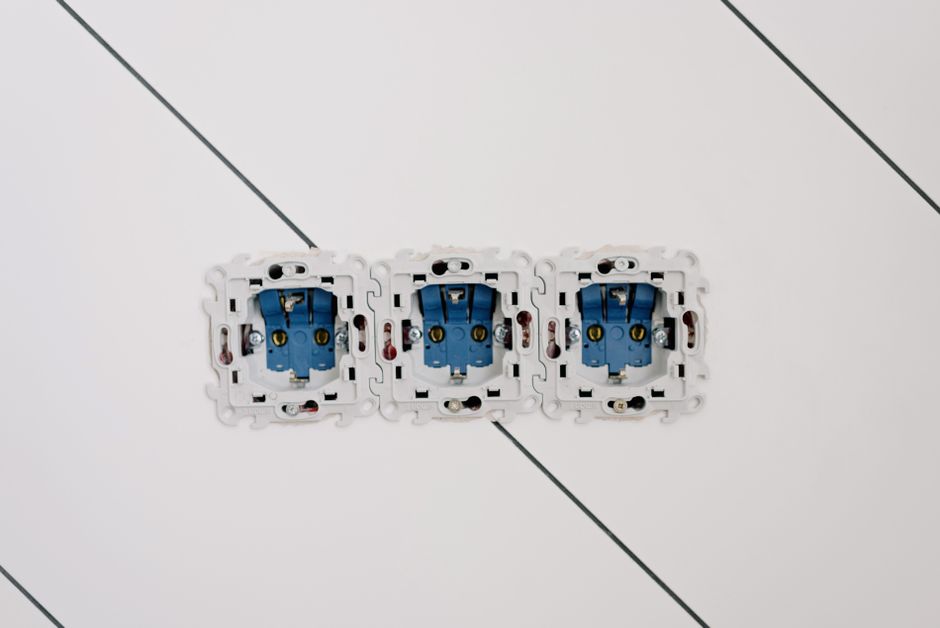
Crawlspace electrical outlets must be GFCI-protected per NEC Article 210.8 and installed at least 12 inches above the crawlspace floor. All outlets require weatherproof covers, proper ventilation control, and moisture barriers to prevent electrical hazards and equipment damage. (Related: Swimming Pool Bonding Requirements: 7 Essential Rules for 2026) (Related: The Complete Electrical Panel Labeling System Guide for 2026) (Related: Complete Guide to Conduit Fill Calculations: NEC Tables 2026) (Related: Electrical Panel Upgrade Cost: What to Budget in 2025) (Related: How Revit 2026 Conductor Tools Integrate with NEC Code Compliance and Electrical Design Calculations) (Related: Amperage Calculator: Size Wire & Breakers the Right Way)
NEC Code Requirements for Crawlspace Outlets
Crawlspace electrical requirements are governed primarily by the National Electrical Code (NEC), which treats these below-grade spaces as high-risk environments due to persistent moisture, limited airflow, and restricted access for maintenance. Whether you are running a new circuit for a sump pump, dehumidifier, or HVAC equipment, every outlet installation in this area must meet specific standards before your system can be considered safe or code-compliant.
The five core NEC requirements that apply to crawlspace outlets include:
- GFCI protection on all 125-volt, 15- and 20-amp receptacles per NEC Article 210.8(A)(4)
- Minimum 12-inch mounting height above the crawlspace floor to reduce flood and moisture exposure
- Weatherproof or in-use covers rated for damp or wet locations depending on vapor levels
- Proper circuit labeling at the panel to identify all crawlspace circuits for safe service access
- Approved wiring methods including NM-B cable in dry crawlspaces or UF cable and conduit where moisture is present
According to OSHA’s electrical safety guidelines, unprotected wiring in areas exposed to moisture or physical damage creates significant shock and fire hazards. Crawlspaces check both boxes, which is why the NEC holds these locations to the same protective standards as bathrooms, garages, and outdoor areas.
Are GFCI Outlets Required in Crawlspaces According to NEC Code?
Yes. NEC Article 210.8(A)(4) requires GFCI protection for all 125-volt, single-phase, 15- and 20-amp receptacles installed in crawlspaces at or below grade level. This requirement applies regardless of whether the crawlspace is conditioned, ventilated, or encapsulated. Even if an outlet is being installed strictly for a permanently wired piece of equipment, GFCI protection is mandatory on any receptacle in this location. There are no residential exemptions based on usage type.
What Is the Minimum Height for Electrical Outlets Installed in Crawlspaces?
The NEC does not specify an exact minimum height for all crawlspace receptacles in every edition, but the widely adopted standard and best practice is to mount outlets at least 12 inches above the crawlspace floor. This height keeps receptacles above standing water levels that may result from minor flooding or vapor accumulation. Many local amendments and inspectors enforce 18 inches as a stricter standard. Always verify with your local Authority Having Jurisdiction (AHJ) before installation.
GFCI Protection and Outlet Installation Standards
Installing GFCI outlets in a crawlspace is not as simple as swapping in a standard receptacle. The installation environment demands that every component — from the device itself to the cover plate — be rated for the expected conditions.
For damp crawlspaces, use a GFCI receptacle with an in-use weatherproof cover rated for damp locations. For encapsulated or high-humidity crawlspaces where water may be present on surfaces, a wet-location rated cover is the appropriate choice. The GFCI device must also be accessible for testing, which means it cannot be buried behind insulation or blocked by mechanical equipment.
Key installation standards to follow:
- Use GFCI receptacles or a GFCI breaker to protect the entire crawlspace circuit
- Test GFCI devices after installation using the built-in test and reset buttons
- Ensure all junction boxes are listed for use in damp or wet environments as applicable
- Secure all cables and conduit to framing to prevent sagging or contact with the ground
- Avoid running NM-B (Romex) cable in direct contact with concrete, soil, or vapor barriers without conduit protection
For circuits powering dehumidifiers or sump pumps, consider installing a dedicated 20-amp GFCI-protected circuit. This prevents nuisance tripping when loads fluctuate and ensures critical equipment remains operational during high-demand periods.
Moisture Control and Electrical Safety in Crawlspaces
Moisture is the primary threat to crawlspace electrical systems. Even a crawlspace that appears dry can have relative humidity levels above 70%, which accelerates oxidation on wire terminations, degrades insulation, and increases the risk of arcing faults. Effective moisture control is not just a structural concern — it directly supports electrical safety and system longevity.
Effective strategies for moisture control in relation to crawlspace electrical requirements include:
- Vapor barrier installation: A 6-mil or thicker polyethylene vapor barrier covering the ground slows moisture migration into the air and toward electrical components above
- Mechanical ventilation or encapsulation: Vented crawlspaces should have screened vents sized to NEC and building code minimums; encapsulated spaces require a dehumidifier on a properly sized GFCI circuit
- Conduit for ground-level wiring: Any wiring running near or across the crawlspace floor should be run in Schedule 40 PVC conduit to protect against moisture contact and physical damage
- Proper box fill calculations: Moisture causes wire expansion and contraction, so leaving appropriate slack and avoiding overfilled junction boxes reduces long-term stress on terminations
Based on OSHA’s electrical hazard standards, moisture-related electrical failures are among the leading causes of workplace and residential electrocutions. Maintaining a dry crawlspace environment through proper vapor management directly reduces this risk.
Common Crawlspace Electrical Violations and How to Avoid Them
Crawlspace electrical work is frequently cited during home inspections and code enforcement reviews. Understanding the most common violations helps you plan compliant installations from the start.
Violation 1 — Missing GFCI protection: Standard receptacles installed without GFCI protection remain one of the most cited crawlspace code violations. Always use a GFCI receptacle or breaker on every outlet in this space.
Violation 2 — Unprotected NM-B cable: Running standard Romex cable across a dirt floor or in contact with a vapor barrier without conduit protection violates NEC wiring method requirements for potentially damp or physically exposed areas.
Violation 3 — Improper junction box covers: Open or missing junction box covers in crawlspaces create both code violations and shock hazards. All junction boxes must be covered and accessible.
Violation 4 — No weatherproof outlet covers: Standard indoor outlet covers are not listed for crawlspace environments. Replace them with in-use weatherproof covers rated for damp locations at minimum.
Violation 5 — Unlabeled circuits: Crawlspace circuits that are not labeled at the main panel create dangerous service conditions. Label every circuit clearly by location and connected equipment.
Recommended Resources:
- GFCI Outlet Tester and Reset Tool Kit — Essential for testing and maintaining GFCI-protected outlets in crawlspaces as required by NEC Article 210.8
- Weatherproof Electrical Outlet Covers — Required protective covers for crawlspace outlets to prevent moisture damage and hazards
- Crawlspace Moisture Barrier Film and Vapor Lock — Supports the moisture barrier requirement mentioned for preventing electrical equipment damage in crawlspaces
- GFCI Outlet Tester and Reset Tool Kit — Essential for testing and maintaining GFCI-protected outlets in crawlspaces as required by NEC Article 210.8
- Weatherproof Electrical Outlet Covers — Required protective covers for crawlspace outlets to prevent moisture damage and hazards
- Crawlspace Moisture Barrier Film and Vapor Lock — Supports the moisture barrier requirement mentioned for preventing electrical equipment damage in crawlspaces
See also: Electrical power requirements and NEC compliance for data center infrastructure
See also: Sauna Electrical Requirements: Complete 240V Guide for 2026
See also: Transformer Sizing Guide: How to Pick the Right KVA Rating
See also: Ohm’s Law Calculator: The Complete Guide to Electrical Calculations
See also: Wire Gauge Calculator: Your Complete Guide to Right-Sizing Electrical Wire
See also: 5 Proven Aluminum Wiring Repair Methods for Code-Compliant Upgrades in 2026
See also: Federal Pacific Electric Panel Dangers: 5 Critical Risks in 2026
See also: Home Electrical Safety Inspection Checklist: 10 Essential Tests for 2026
See also: Complete Electrical Panel Labeling System Guide for 2026
See also: Sauna Electrical Requirements: The Complete 240V Guide for 2026
See also: 50 Amp vs 30 Amp RV Plug: The Complete 2026 Guide
See also: Power Factor in Commercial Electrical Systems: 5 Proven Ways to Cut Costs in 2026
Related: Complete 2026 Guide: Crawlspace Electrical Requirements NEC
Related: 7 Essential Steps to Size Furnace Electrical Connections Correctly in 2026
Related: 7 Essential NEMA Receptacle Chart Types You Need to Know in 2026
SPONSORED
Estimating Software Built for Electrical Contractors
ArcSite lets you draw site plans, create estimates, and close jobs faster — all from your phone or tablet. Used by 100,000+ field service professionals.
Try ArcSite Free →Affiliate partner — we may earn a commission at no cost to you.