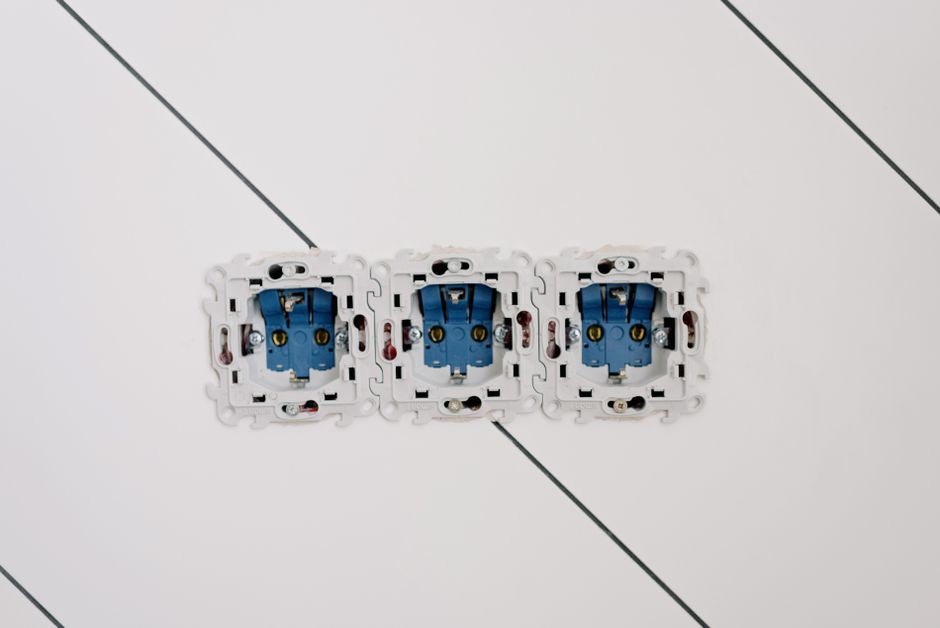
Crawlspace electrical requirements per NEC mandate GFCI protection for all outlets, moisture-resistant wiring methods, and proper grounding. All receptacles in crawlspaces must be protected by ground-fault circuit interrupters, and wiring must accommodate potential water exposure with appropriate cable types and conduit specifications. (Related: Surge Protector Circuit Breaker: The Complete Whole Home Guide for 2026) (Related: Complete 240V Dryer Circuit Installation Guide for 2026) (Related: Sauna Electrical Requirements: The Complete 240V Guide for 2026) (Related: Washington State L&I Electrical Safety Standard Updates and NEC Code Compliance) (Related: Conduit Fill Calculator: Size Conduit the Right Way) (Related: Ohm’s Law Calculator: The Complete Guide to Voltage, Current, and Resistance)
NEC Crawlspace Electrical Code Requirements
The National Electrical Code classifies crawlspaces as damp or wet locations depending on their drainage conditions and vapor barrier status. This classification directly determines what wiring methods, outlet types, and protection schemes are required. Contractors and homeowners undertaking any electrical work in these spaces must understand how NEC crawlspace wiring rules apply before pulling permits or starting installations.
What NEC Code Covers Crawlspace Electrical Outlets?
NEC Article 210.8(A)(4) is the primary governing section for crawlspace outlet protection, establishing that all 125-volt, single-phase, 15- and 20-ampere receptacles installed in crawlspaces must have GFCI protection. Article 300.9 addresses wiring in raceways in wet locations, while Article 334 governs the use of nonmetallic-sheathed cable (NM-B), which is restricted in areas classified as wet. Additionally, Article 358 and Article 362 cover electrical metallic tubing and electrical nonmetallic tubing, both of which may be required when conduit is specified for crawlspace runs.
NEC 110.3(B) also requires that all listed equipment be installed according to manufacturer instructions, which in crawlspace environments often means specific temperature ratings, moisture ratings, and installation orientations. According to OSHA’s electrical safety standards, improper wiring in damp or wet locations is a leading cause of electrical hazards in residential and commercial maintenance work.
Do Crawlspace Outlets Need GFCI Protection?
Yes, absolutely. GFCI protection in crawlspaces is not optional — it is a hard NEC requirement under Article 210.8. Any receptacle installed in a crawlspace, whether it serves a sump pump, dehumidifier, HVAC equipment, or general maintenance purposes, must be GFCI-protected. This applies regardless of whether the space is conditioned or unconditioned, finished or unfinished. The only question is whether you install a GFCI outlet device at the receptacle itself or use a GFCI circuit breaker to protect the entire circuit feeding that crawlspace.
Outlet Protection Standards for Crawlspaces
Crawlspace outlet protection goes beyond simply installing a GFCI receptacle and calling it done. The device itself must be rated for the environment. In locations classified as wet, outlets must be installed in weatherproof enclosures with in-use covers rated for wet conditions under NEC 406.9(B). For spaces classified as damp, standard in-use covers are generally acceptable, but the distinction between damp and wet must be made by the installing electrician based on actual site conditions.
Box fill calculations also matter here. Crawlspace junction boxes and outlet boxes must be sized correctly to accommodate the conductors, devices, and fittings inside without overcrowding. Boxes installed in crawlspace walls or floor framing must be secured to structural members according to NEC 314.23. Metal boxes in damp or wet locations must be corrosion-resistant or use appropriate coatings, while nonmetallic boxes may be preferred where moisture is a persistent concern.
You can use our box fill calculator to verify your enclosure sizing meets NEC 314.16 requirements before finalizing any crawlspace outlet installation.
Moisture Control and Waterproofing Considerations
Crawlspace moisture control electrical planning starts before the first wire is pulled. Vapor barriers, drainage systems, and crawlspace encapsulation all affect how a space is classified under the NEC. A fully encapsulated crawlspace with a continuous poly vapor barrier, conditioned air supply, and active drainage may qualify as a damp location rather than a wet location, which expands the range of permissible wiring methods.
In unencapsulated or poorly drained crawlspaces, standing water and high humidity create conditions that demand the most robust wiring solutions available. Rigid PVC conduit (Schedule 40 or Schedule 80 per NEC Article 352) is a preferred choice in these environments because it resists corrosion, does not absorb moisture, and provides a physical barrier between conductors and environmental hazards. Liquidtight flexible nonmetallic conduit is also commonly used for equipment connections where some movement tolerance is needed.
NM-B cable, the standard Romex-style wire used throughout most homes, is explicitly prohibited in wet locations under NEC 334.12(B). If your crawlspace qualifies as wet, using NM-B is a code violation regardless of how it is routed or protected. Inspectors frequently flag this issue during rough-in inspections on older home renovations where NM-B was run years ago without proper consideration for the location classification.
GFCI and AFCI Protection Requirements
GFCI protection crawlspace requirements are clear-cut under current NEC editions. Every receptacle in the space needs it. However, AFCI (arc-fault circuit interrupter) requirements in crawlspaces are more nuanced. NEC 210.12 requires AFCI protection for branch circuits supplying outlets in dwelling units, and whether crawlspace circuits fall under this requirement depends on what those circuits serve and how they are routed.
Circuits that originate in a panel and run through living areas before entering the crawlspace may require AFCI protection on the entire circuit. Circuits dedicated exclusively to mechanical equipment like sump pumps may be exempt depending on the AHJ’s (Authority Having Jurisdiction) interpretation. Always confirm AFCI applicability with your local inspector before energizing crawlspace circuits.
Combination AFCI/GFCI breakers are increasingly popular solutions that satisfy both protection requirements in a single device. These are particularly useful in crawlspaces where circuit routing makes it difficult to install individual GFCI outlets or where centralized protection at the panel is preferred for maintenance access.
Proper Wiring Methods in Crawlspace Environments
Acceptable NEC crawlspace electrical code requirements for wiring methods depend heavily on the moisture classification. In damp locations, NM-B cable is permissible when properly supported and protected from physical damage per NEC 334.15. In wet locations, options include rigid metal conduit (RMC), intermediate metal conduit (IMC), rigid PVC conduit, and liquidtight flexible conduit. All conduit runs must use fittings rated for the specific conduit type and location.
Cable support intervals matter as well. NEC 334.30 requires NM-B cable to be supported within 12 inches of every box and at intervals not exceeding 4.5 feet. In crawlspaces where cable runs along floor joists, stapling or strapping at consistent intervals keeps conductors from sagging, chafing against sharp edges, or being accidentally damaged by maintenance workers. According to OSHA electrical guidelines, physical protection of conductors in maintenance access areas is critical for preventing contact injuries.
Common Crawlspace Electrical Violations and Corrections
The most common crawlspace electrical violations inspectors encounter include: unprotected NM-B cable in wet-classified spaces, missing GFCI protection on receptacles, improperly secured junction boxes with open knockouts, undersized boxes with overfilled conductors, and abandoned wiring left energized without proper termination. Each of these violations carries real safety consequences beyond just failing an inspection.
Corrections typically involve reclassifying the space, upgrading wiring methods, installing GFCI
- GFCI Outlet Receptacles — Post explicitly emphasizes GFCI protection as a mandate for all crawlspace outlets. Essential product for compliance.
- Moisture-Resistant Electrical Conduit & Cable — Core requirement discussed for crawlspace wiring methods to handle potential water exposure and humidity.
- NEC Electrical Code Book 2026 — Referenced throughout post for compliance verification; readers need access to official code standards for proper installation.
Related: Electrical Calculators [Free Tools] – NEC 2026 Ready
Related: 7 Essential Crawlspace Electrical Requirements for Safety in 2026
Related: Electrical Rough-In Inspection: What Inspectors Look For
See also: How AI Tools Can Help Electrical Engineers Master NEC Code and Calculations
See also: NEC Code Updates and Changes: What Electricians Need to Know About NFPA Reorganization
See also: Electrical Load Calculator: Size Circuits Like a Pro
See also: Doorbell Transformer Wiring: The Complete 2026 Installation Guide
See also: Complete Swimming Pool Bonding Requirements Guide for 2026
See also: Subpanel Installation: The Complete 2026 Guide to a Second Breaker Panel
Related: Essential 2026 Guide: 5 Crawlspace Electrical Requirements You Must Know
SPONSORED
Estimating Software Built for Electrical Contractors
ArcSite lets you draw site plans, create estimates, and close jobs faster — all from your phone or tablet. Used by 100,000+ field service professionals.
Try ArcSite Free →Affiliate partner — we may earn a commission at no cost to you.