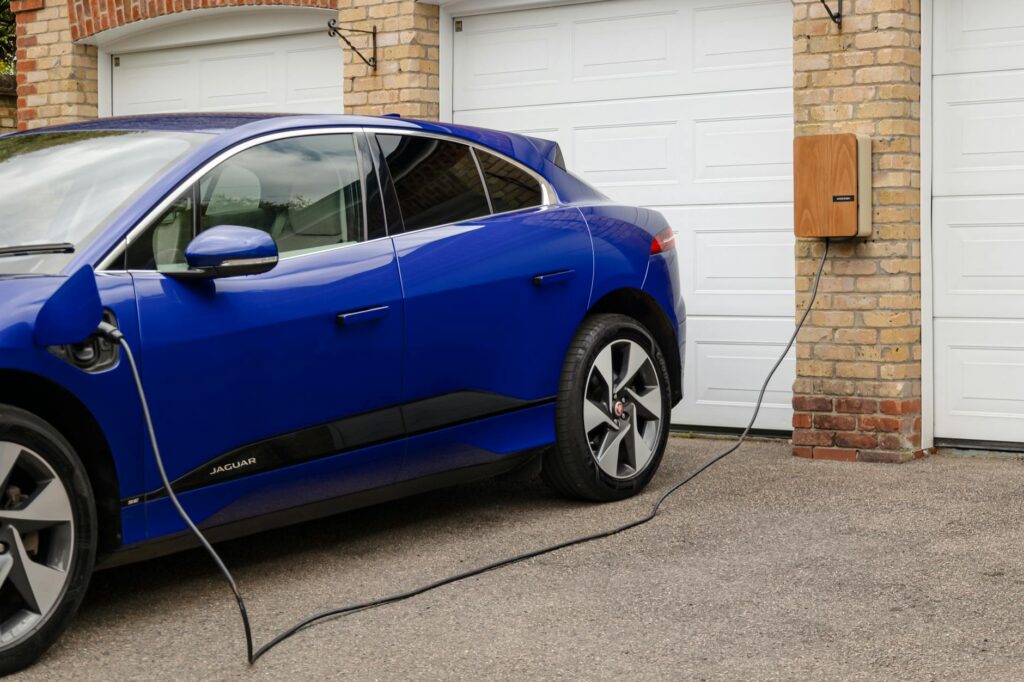
Level 1 charging costs between $0.50–$1.50 per full charge, while Level 2 charging ranges from $1.50–$4.00, depending on your local electricity rates and vehicle battery capacity. Although Level 2 has higher per-charge costs, it delivers significantly faster charging speeds and lower overall fuel costs compared to gasoline vehicles, making it the preferred choice for most EV owners who can install it. (Related: 7 Essential Steps to Size Furnace Electrical Connections Correctly in 2026) (Related: 5 Essential Steps to Interconnected Hardwired Smoke Detector Wiring in 2026) (Related: 240V Dryer Circuit Installation: 5 Essential Steps in 2026) (Related: 7 Steps to Size Your Solar Panel System Calculator in 2026) (Related: 3 Phase Voltage Drop Chart: Complete 2026 Guide for Proper Wire Sizing) (Related: 5 Ways to Master Attic Outlet Installation in 2026)
Understanding Level 1 Charging Costs
Level 1 charging uses a standard 120-volt household outlet—the same one you’d plug a lamp into. It delivers approximately 2–3 miles of range per hour of charging, making it the slowest charging method available. However, it requires zero installation costs since your home already has 120V outlets.
To calculate Level 1 charging costs, multiply your vehicle’s battery capacity (in kilowatt-hours) by your local electricity rate. For example, a Tesla Model 3 with a 60 kWh battery charging in an area with $0.14 per kWh rates costs approximately $8.40 per full charge. Over a year of average driving (12,000 miles), Level 1 charging costs roughly $400–$500 in electricity.
Level 1 works best for plug-in hybrids or owners with low daily mileage who can tolerate overnight charging sessions lasting 24–48 hours. Apartment dwellers and renters often depend on Level 1 since it requires no electrical upgrades. The trade-off is convenience: you’ll need to plan charging around your schedule and accept that your vehicle won’t be fully charged by morning if you start in the evening.
Understanding Level 2 Charging Costs
Level 2 charging uses a 240-volt circuit—the same voltage powering your electric dryer or water heater. It delivers 10–30 miles of range per hour, depending on the charger’s kilowatt rating (typically 7–19 kW for residential installations). A full charge takes 4–10 hours, making Level 2 practical for daily home charging.
Installation costs range from $500–$2,500, depending on your electrical panel’s capacity and the distance from the panel to your parking area. Homes with adequate panel capacity may only need $500–$800, while those requiring panel upgrades or long cable runs could spend $2,000+. Labor typically accounts for 60–70% of installation costs.
Once installed, Level 2 operating costs are competitive with Level 1 per kilowatt-hour, but the faster charging means you’ll complete charges during off-peak hours if your utility offers time-of-use rates. With time-of-use pricing (typically $0.10–$0.12 per kWh off-peak versus $0.20+ peak), Level 2 users can reduce charging costs by 30–40%. That same 60 kWh battery charged overnight at off-peak rates costs $6–$7.20, compared to $8.40 during peak hours.
Many utility companies offer EV charging rebates ($300–$1,000) or special time-of-use plans that make Level 2 even more economical. Federal tax credits of up to $1,000 apply to Level 2 installation in many states, further reducing net costs.
Level 1 vs Level 2: Direct Cost Comparison
Here’s a realistic year-long comparison for a typical EV owner driving 12,000 miles annually:
Level 1 Charging:
- Installation cost: $0
- Annual electricity cost: $400–$500
- Total year-one cost: $400–$500
- Requires 24–48 hour charging cycles
- Average cost per mile: $0.033–$0.042
Level 2 Charging:
- Installation cost: $500–$2,500 (minus rebates)
- Annual electricity cost: $360–$480 (with time-of-use rates)
- Total year-one cost: $860–$2,980
- Requires 4–10 hour charging cycles
- Average cost per mile: $0.072–$0.248 (first year only)
Level 2’s higher initial cost breaks even in 2–3 years when factoring in convenience, faster charging, and lower ongoing electricity costs. After the break-even point, Level 2 saves money compared to Level 1 because you’ll complete more efficient off-peak charges.
The real advantage emerges over 5–10 years of ownership. Level 2 owners spend roughly $1,800–$2,400 on electricity over five years, while Level 1 owners spend $2,000–$2,500—and that’s before accounting for opportunity costs of slower charging and the ability to take longer trips more frequently with Level 2.
How to Use Our EV Charging Cost Calculator
Estimating your exact charging costs requires knowing your battery size, local electricity rates, and annual mileage. Our electrical calculators can help you determine the true cost of home EV charging by entering your vehicle specifications and local rate information. Use this tool to compare Level 1 and Level 2 scenarios with your specific utility rates, helping you make an informed decision about upgrading to Level 2 charging.
Frequently Asked Questions
Can I install Level 2 charging myself to save money?
No—local electrical codes require a licensed electrician to install 240-volt circuits. DIY installation violates building codes, voids your charger warranty, creates fire hazards, and prevents you from claiming federal tax credits. Always hire a licensed electrician to ensure safety and compliance.
What’s the difference between a hardwired and plug-in Level 2 charger?
Hardwired chargers are permanently connected to your electrical panel (cost: $500–$1,500 installation) and are slightly more efficient. Plug-in chargers use a dedicated 240V outlet (cost: $400–$1,000 installation) and are portable but less efficient due to connection losses. Both are safe; choose based on your home’s layout and future relocation plans.
Do utility time-of-use rates really save money for EV owners?
Yes—substantially. Most time-of-use plans charge 30–50% less during off-peak hours (typically 9 PM–6 AM). Level 2 owners charging overnight can reduce annual electricity costs by $100–$200. Ask your utility if they offer EV-specific rates; many do.
- Level 2 EV Home Charging Station — Directly addresses the main topic of the post; readers comparing Level 1 vs Level 2 are likely considering purchasing a Level 2 charger for home installation
- EV Charging Cable and Adapter Kit — Essential accessory for EV owners implementing either charging level; complements the cost breakdown discussion with practical equipment needs
- Home Electrical Inspection and Installation Service — Supports the cost analysis in the post by helping readers understand installation costs; Angi has affiliate programs for home service referrals
SPONSORED
Estimating Software Built for Electrical Contractors
ArcSite lets you draw site plans, create estimates, and close jobs faster — all from your phone or tablet. Used by 100,000+ field service professionals.
Try ArcSite Free →Affiliate partner — we may earn a commission at no cost to you.