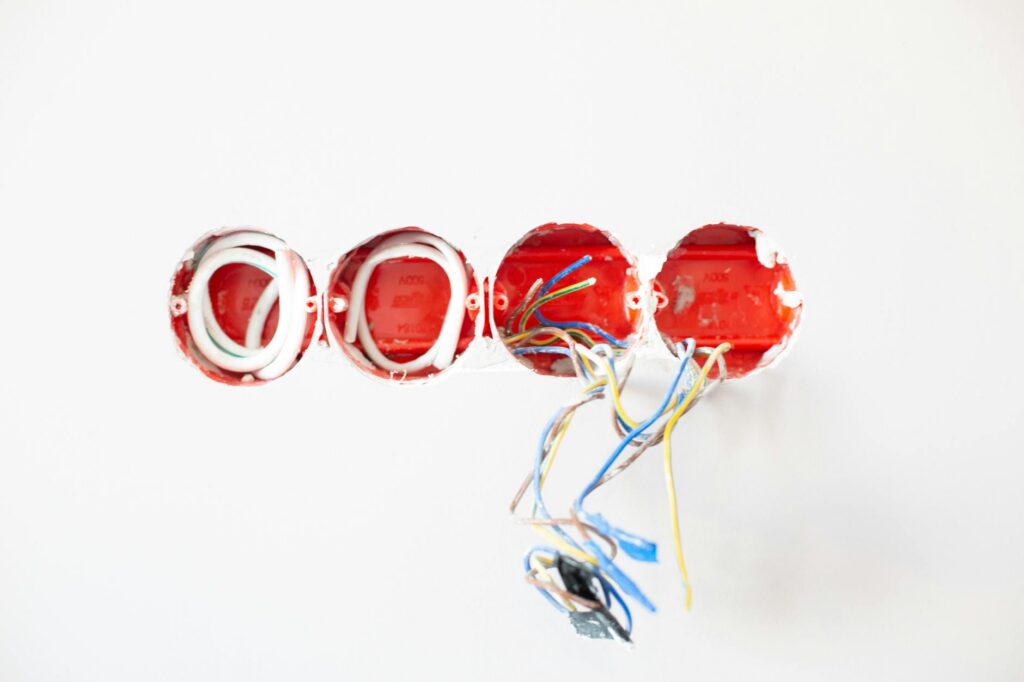
A 3-way switch setup allows you to control a single light fixture from two different locations, making it essential for stairways, hallways, and large rooms. This guide walks you through the wiring process step-by-step with clear diagrams and professional tips to ensure a safe, code-compliant installation. (Related: 7 Essential Steps to Size Furnace Electrical Connections Correctly in 2026) (Related: 5 Essential Steps to Interconnected Hardwired Smoke Detector Wiring in 2026) (Related: 240V Dryer Circuit Installation: 5 Essential Steps in 2026)
Understanding 3-Way Switch Basics
Before you pick up your tools, it’s important to understand what makes a 3-way switch different from a standard single-pole switch. A 3-way switch has three terminal screws instead of two: one common terminal (usually darker or marked COM) and two traveler terminals. These switches work together as a pair—you’ll always need exactly two 3-way switches to create one 3-way circuit.
The common terminal is where power enters or exits the switch. The two traveler terminals carry the circuit between the switches using a 3-conductor cable (typically 14-2 or 12-2 Romex, depending on your circuit amperage). Understanding this basic principle is crucial: electricity flows through the common terminal and alternates between the two traveler paths, allowing either switch to turn the light on or off.
The key difference from a single-pole switch is that 3-way switches use a cross-over wiring pattern. When you flip either switch, you’re essentially changing which traveler wire the current flows through, toggling the circuit between on and off positions.
Step-by-Step Wiring Instructions
Step 1: Turn Off Power at the Breaker
Always start by switching off power to the circuit at your electrical panel. Use a non-contact voltage tester to confirm the power is truly off before proceeding. This is non-negotiable for safety.
Step 2: Prepare Your Materials
Gather two 3-way switches, appropriate Romex cable (14-2 or 12-2), wire nuts, electrical tape, and a screwdriver. You’ll need a 3-conductor cable running between your two switch locations. If you don’t have one installed, you’ll need to run it through walls or conduit.
Step 3: Connect Power at the First Switch
At the switch location where power enters, connect the hot (black) wire to the common terminal of your first 3-way switch. This is typically the darker screw, often labeled COM. Secure it tightly.
Step 4: Run Traveler Wires Between Switches
Connect the two traveler terminals of the first switch to the two traveler terminals of the second switch using the 3-conductor cable. In a 3-conductor cable, use the red and black wires as travelers. These connections must be exact—red to red traveler, black to black traveler. Never mix them up, as this will cause the switches to work incorrectly.
Step 5: Connect the Light at the Second Switch
At the second switch location, connect the wire going to your light fixture to the common terminal. This wire should be connected to the light’s hot connection (usually through a splice or wire nut). The two traveler wires connect to the traveler terminals on this second switch, just as they do on the first.
Step 6: Complete Neutral and Ground Connections
Run a neutral (white) wire from the fixture back to the neutral bus bar in your panel or to the first switch location’s neutral. Ground (bare copper or green) wires should be connected together using a wire nut and secured to any metal boxes or the fixture’s ground screw.
Step 7: Test Your Work
Once all connections are secure and wire nuts are properly installed, restore power and test both switches. Either switch should turn the light on or off, regardless of the other switch’s position. If this doesn’t work, turn off power immediately and recheck your traveler wire connections.
Common Mistakes to Avoid
The most frequent error electricians encounter is confusing traveler wires with neutral or ground wires. Travelers are working conductors that must remain isolated from neutral and ground. They’re carrying the switching logic between your two switches.
Another common mistake is improper wire connections at the terminals. The screws must be tight enough that the wire won’t slip out with a gentle tug, but not so tight that you damage the conductor. Strip about ½ inch of insulation and curl the wire around the screw in a clockwise direction.
Don’t forget to verify your cable size matches your circuit amperage. A 15-amp circuit uses 14-gauge wire, while a 20-amp circuit requires 12-gauge. Using undersized wire is a serious fire hazard.
How to Use Our Electrical Calculator
When planning your 3-way switch installation, you’ll want to ensure your wire gauge is correct for your specific circuit requirements. Our wire size calculator helps you determine the proper gauge based on your circuit amperage and the distance the wire must travel. Simply input your circuit amps and wire length, and the calculator instantly shows you whether you need 14-gauge, 12-gauge, or larger conductor size. This ensures your installation is both safe and code-compliant.
Frequently Asked Questions
Can I use regular 2-conductor cable for a 3-way switch?
No. You must use 3-conductor cable (plus ground) between your two 3-way switches. The three conductors are necessary because you need two separate traveler wires to complete the switching logic. Using only 2-conductor cable won’t provide the switching functionality you need and violates electrical code.
What’s the difference between the common terminal and traveler terminals?
The common terminal is where power enters or exits the switch—it’s the control point. The two traveler terminals carry the circuit between your two switches in an alternating pattern. Think of common as the “main” and travelers as the “paths.” Power always flows through common, and the travelers determine which path it takes.
Do I need a permit to install 3-way switches?
This depends on your local jurisdiction. Many areas require permits for any electrical work beyond simple device replacement. Contact your local building department before starting. Even if a permit isn’t required, having a licensed electrician inspect your work ensures safety and code compliance, which is especially important in bedrooms and bathrooms.
- Electrical Wire and Cable Kit — Essential material for 3-way switch installation; readers need quality wiring to safely complete the project
- 3-Way Light Switch Bundle — Directly needed for the project; provides the core components readers are learning to install
- Digital Multimeter for Electrical Testing — Critical safety tool for testing circuits and verifying proper wiring connections during and after installation
Related: How to Wire a 3-Way Switch: Complete Step-by-Step Guide
SPONSORED
Estimating Software Built for Electrical Contractors
ArcSite lets you draw site plans, create estimates, and close jobs faster — all from your phone or tablet. Used by 100,000+ field service professionals.
Try ArcSite Free →Affiliate partner — we may earn a commission at no cost to you.