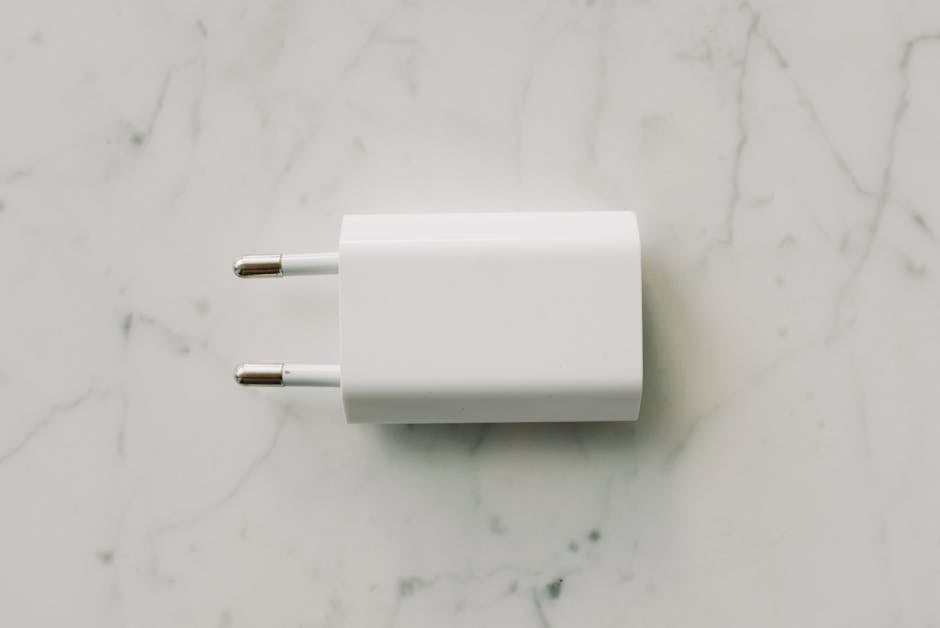
A surge protector circuit breaker provides automatic protection against voltage spikes. Whole home systems protect the entire electrical panel, while point-of-use devices protect individual outlets or appliances. Both work together for comprehensive protection per NEC standards. (Related: Complete 240V Dryer Circuit Installation Guide for 2026) (Related: Sauna Electrical Requirements: The Complete 240V Guide for 2026) (Related: NEC Code Updates and Changes: What Electricians Need to Know About NFPA Reorganization) (Related: Washington State L&I Electrical Safety Standard Updates and NEC Code Compliance) (Related: Conduit Fill Calculator: Size Conduit the Right Way) (Related: Ohm’s Law Calculator: The Complete Guide to Voltage, Current, and Resistance)
What is a Surge Protector Circuit Breaker?
A surge protector circuit breaker — also called a Surge Protective Device (SPD) — is a specialized component that detects and diverts excess voltage away from your home’s wiring and connected equipment. Unlike a standard breaker that trips during overcurrent events, an SPD clamps voltage spikes caused by lightning strikes, utility switching, or large motor loads cycling on and off.
These devices are rated by clamping voltage, response time, and joule capacity. A whole-panel SPD typically carries a joule rating between 1,000 and 4,000+ joules, while point-of-use power strips may offer 400 to 1,000 joules at the outlet level. The higher the joule rating, the more surge energy the device can absorb before degrading.
SPDs are classified under three types in the NEC:
- Type 1: Installed before the main breaker, on the utility side
- Type 2: Installed at the main panel or subpanel — the most common whole-home option
- Type 3: Point-of-use devices at outlets or cord-connected equipment
Whole Home Surge Protection: How It Works
A whole home surge protection system installs directly at your electrical panel as a Type 2 SPD. When a voltage spike enters your home — whether from an external lightning event or internal sources like HVAC compressors — the SPD activates in nanoseconds, shunting excess energy to ground before it reaches branch circuits.
The key components include Metal Oxide Varistors (MOVs), which are the actual clamping elements inside the device. MOVs degrade with each surge they absorb, which is why quality whole-home SPDs include a status indicator light showing whether the unit is still functional.
Whole home systems protect everything on your electrical system simultaneously — your HVAC unit, water heater, refrigerator, and smart home devices. This is their primary advantage in the whole home surge protection vs point-of-use debate: one installation covers every circuit.
According to OSHA’s electrical safety guidelines, voltage transients and surges are a significant source of equipment damage and electrical hazards in both residential and commercial settings, reinforcing the importance of layered surge protection strategies.
Point-of-Use Surge Protection Explained
Point-of-use surge protectors connect at the outlet level — either as plug-in power strips or in-wall receptacle replacements. These are Type 3 SPDs under NEC classification and serve as the second line of defense in a layered protection strategy.
Point-of-use devices are especially valuable for sensitive electronics: computers, televisions, gaming systems, and home theater equipment. Even when a whole-home SPD clamps the bulk of a surge, a small residual voltage can still travel down branch circuits. Point-of-use devices catch that remainder before it reaches your equipment.
When evaluating whole home surge protection vs point-of-use options, keep these differences in mind:
- Coverage: Whole home protects all circuits; point-of-use protects specific outlets
- Joule capacity: Whole home units handle far larger surge energies
- Installation: Whole home requires a licensed electrician; point-of-use is plug-and-play
- Cost: Whole home runs $200–$700 installed; point-of-use strips cost $20–$150
- Best use: Whole home for appliances and HVAC; point-of-use for electronics
Whole Home vs Point-of-Use: Key Differences
The core difference comes down to surge magnitude and location of protection. External surges — lightning, utility grid switching — carry enormous energy that only a panel-level Type 2 SPD can safely absorb. Internal surges, generated by motors cycling inside your home, are smaller but frequent and still damaging to microelectronics over time.
Industry best practice is layered protection: a Type 2 whole-home SPD at the panel paired with Type 3 point-of-use devices at sensitive equipment locations. This combination provides cascading protection that neither type can deliver alone.
Do I need both whole home and point-of-use surge protection?
Yes — using both provides the most complete protection. A whole-home SPD at your electrical panel handles large external surges, while point-of-use devices catch residual voltage that makes it past the panel. For expensive electronics or home office equipment, running both types simultaneously is the recommended approach per NEC guidance.
NEC Code Requirements for Surge Protection
What does NEC code say about surge protective devices?
The 2020 and 2023 editions of the National Electrical Code introduced significant changes to home electrical surge protection systems. NEC 230.67 now requires that all new dwelling unit service equipment include a listed surge protective device. This mandate applies to new construction and service upgrades, making whole-home SPDs a code requirement — not just a recommendation — in jurisdictions that have adopted the 2020 NEC or later.
The surge protective device NEC code also requires that SPDs be listed (UL 1449 is the applicable standard), be located as close as practical to the service entrance, and include a visual indicator of operational status. These requirements ensure homeowners can verify their protection is still active after a major surge event.
Always verify local adoption — some jurisdictions still enforce older NEC editions. Your local Authority Having Jurisdiction (AHJ) determines which code cycle applies to your area.
Cost Comparison and ROI
A whole-home SPD typically costs $150–$400 for the device, plus $75–$200 for professional installation. Quality units from listed manufacturers carry equipment protection warranties ranging from $25,000 to $100,000 — covering connected appliances if the SPD fails to protect them.
Point-of-use strips range from $20 to $150 depending on joule rating and features. Over a typical home with 8–10 sensitive equipment locations, budget $200–$600 for comprehensive point-of-use coverage.
The ROI calculus is straightforward: a single lightning-related surge can destroy an HVAC system ($5,000–$12,000 replacement), a refrigerator ($1,500+), or a home theater system ($2,000+). Total surge protection investment for a well-protected home typically runs $400–$1,200 — a fraction of replacement costs.
Installation Considerations
Whole-home SPD installation requires access to your main electrical panel and should be performed by a licensed electrician. The device connects to a dedicated double-pole breaker (typically 15–30A depending on manufacturer specs) and bonds to the panel’s grounding system. Improper grounding renders the SPD ineffective, since surge energy must have a low-impedance path to earth.
Before installation, use our circuit breaker sizing calculator to verify your panel has adequate capacity for the SPD breaker, and check our electrical load calculator to assess your overall service capacity before scheduling the
- Whole Home Surge Protector — Directly addresses the main topic of the post about whole home surge protection systems for electrical panels
- Point-of-Use Surge Protector Power Strips — Complements the post’s discussion of individual outlet/appliance protection as part of comprehensive surge defense
- Surge Protection Monitoring System — Relates to the automatic protection and NEC standards compliance aspects mentioned in the post
Related: AFCI Breakers for Bedroom & Living Rooms: 2026 Complete Guide
Related: DCPR Breaker: Dual-Function Breaker Technology for Overcurrent Protection — Complete 2026 Guide
Related: Cost to Rewire a House by State 2026: All 50 States Compared
See also: How AI Tools Can Help Electrical Engineers Master NEC Code and Calculations
See also: Complete 2026 Guide: Crawlspace Electrical Requirements NEC
See also: Electrical Load Calculator: Size Circuits Like a Pro
See also: Doorbell Transformer Wiring: The Complete 2026 Installation Guide
Related: Whole Home Generator Sizing Calculator: Complete Load Analysis Guide for 2026
Related: EV Home Charging: Level 1 vs Level 2 Cost Breakdown
SPONSORED
Estimating Software Built for Electrical Contractors
ArcSite lets you draw site plans, create estimates, and close jobs faster — all from your phone or tablet. Used by 100,000+ field service professionals.
Try ArcSite Free →Affiliate partner — we may earn a commission at no cost to you.